
Cycles over six decades
On a home built around 1965, that's close to six decades of those cycles working on whatever opener and track combination is currently installed, whether original or a later replacement.
Burien, Shoreline
Burien's median income runs well under this area's average, and its 1965-era housing means older openers. Here's where repair stops making sense and replacement starts.
Watch-outs
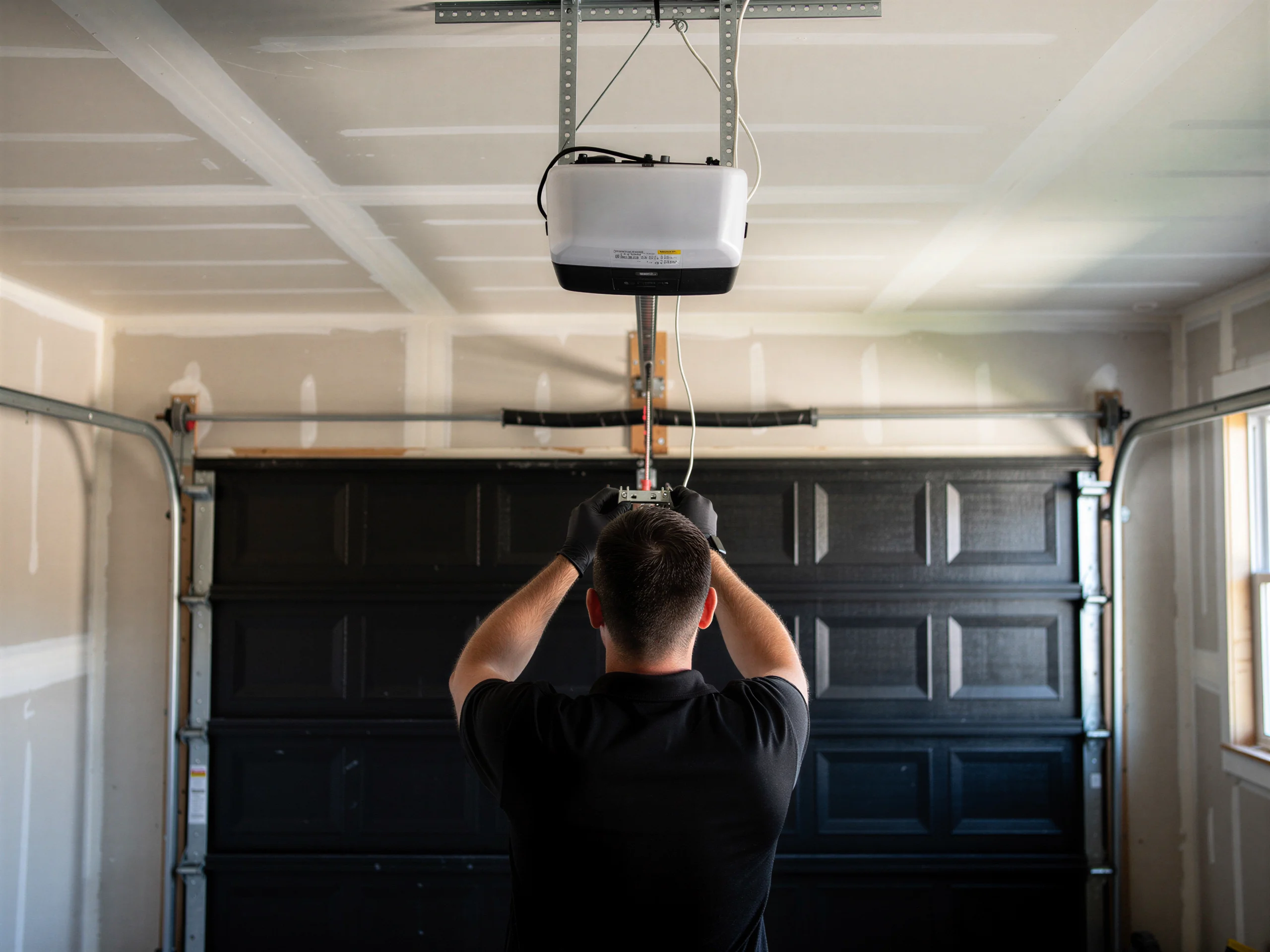
The most common mistake is installing a new opener on an old door without checking the door's own condition first. A new motor hooked to a door with a cracked panel, a bent track, or a spring that's near the end of its cycle count will fail that door faster, not slower. We've also seen openers installed with the safety reversal sensors aimed wrong or skipped entirely, which is a liability on any door, especially one on an older foundation where settling has shifted the opening slightly out of square. The honest limitation here: if your door itself needs structural work, we're not going to recommend hanging a new opener on it until that's addressed. Doing the opener first and the door later, in the wrong order, wastes the opener.
Local causes
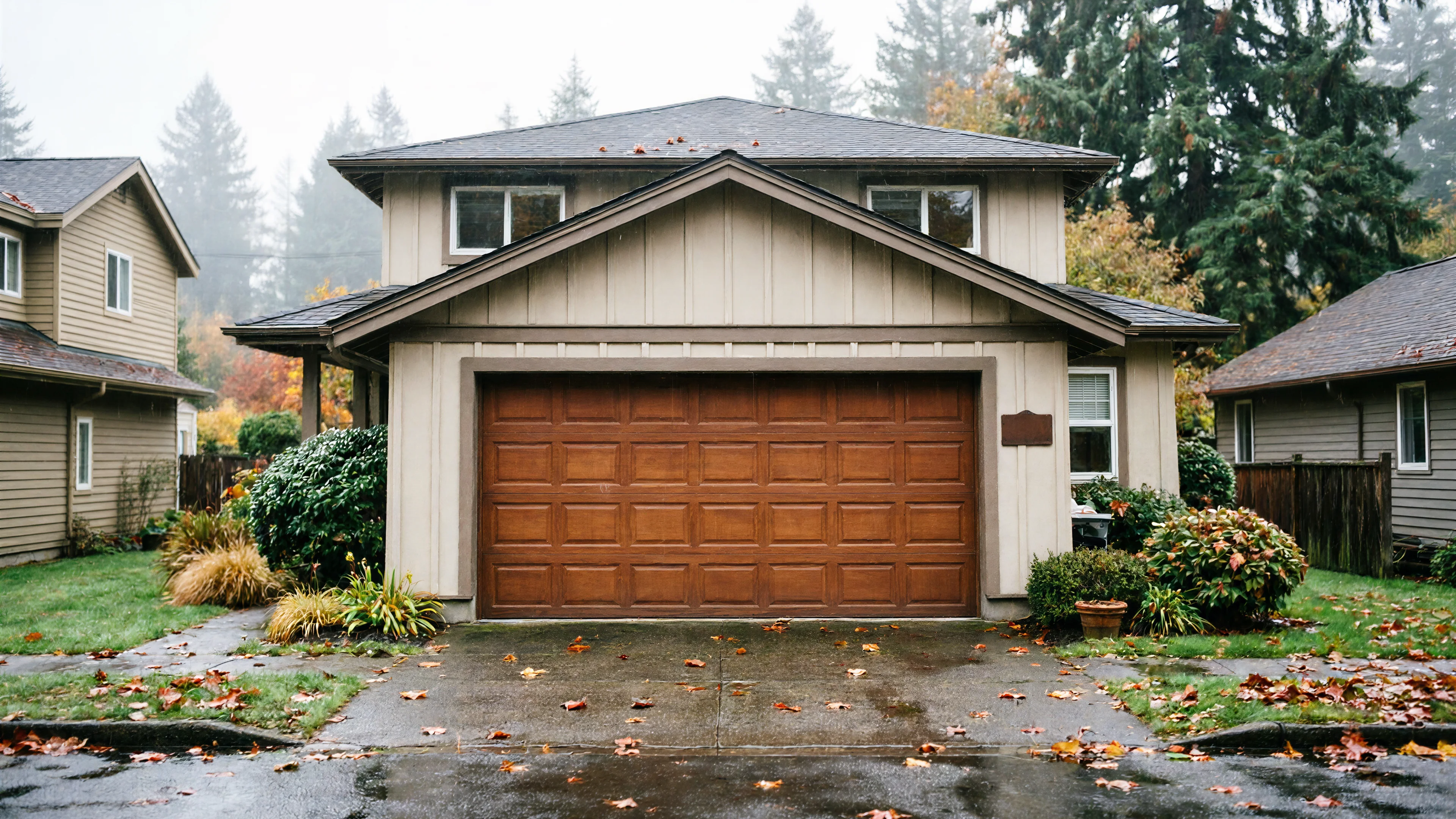
This area sits in a cold, moderate climate band, which means openers here deal with condensation cycles and cold-stiffened lubricant on the rail every winter, year after year.
On a home built around 1965, that's close to six decades of those cycles working on whatever opener and track combination is currently installed, whether original or a later replacement.
Across the wider service area, which spans roughly 202,623 households, the newer stock built through the 1980s and 90s tends to have taller headers and more standardized track.
Burien, sitting at the older edge of that range with its own 19,843 households, is more likely to have the shorter clearance and older bracket spacing that limits which opener models will actually fit without modification.
The repair
Replacing an opener on a Burien home usually starts with measuring header clearance and checking whether the existing wall switch wiring is safe to reuse or needs to be run new. Given the household income figures for this part of the service area, we lay out the cost difference between a basic chain-drive unit and a quieter belt-drive model before we start, rather than defaulting to the higher-end option. If the door itself is sound, the opener swap is straightforward. If the header needs reinforcing or the track is out of alignment, that gets priced and done first. We don't install a new opener on a door we don't think will hold up to it; that call gets made honestly before any work starts, not after.
Warning signs
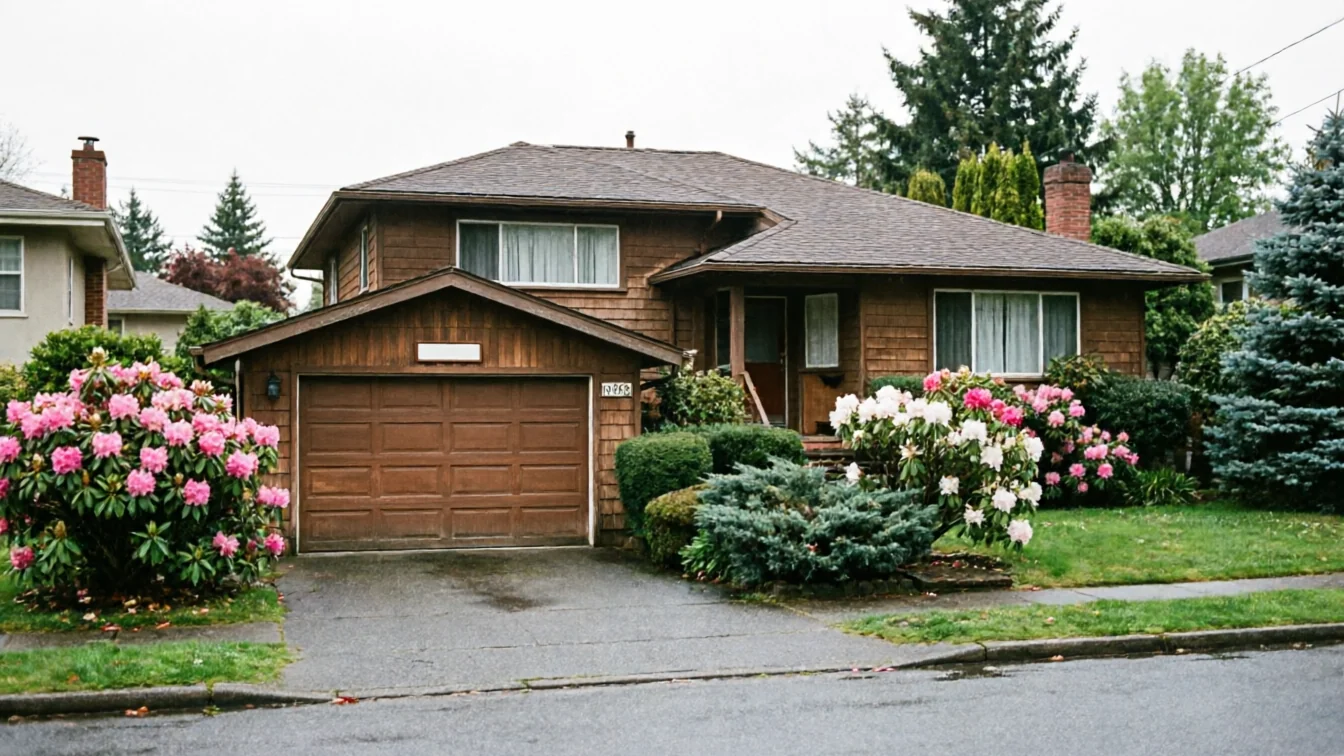
Burien's median household income sits at $90,597, which is close to $28,000 below the $118,077 median across the rest of the service area we cover out of Shoreline.
That gap matters here specifically, because it changes the math on whether you fix what you've got or replace it outright. A homeowner in a higher-income pocket of the area might replace an opener on the first hint of trouble.
In Burien, the calculation usually leans toward getting more life out of the unit already bolted to the ceiling, which means diagnosing the actual failure instead of defaulting to a new box.
We see it as a grinding gear, a opener that runs but won't pull the door past the halfway point, or a remote that used to work and now doesn't. Most of these trace back to a worn drive gear, a dying capacitor, or a logic board that's simply old, not necessarily a sign the whole unit is done.
DIY or pro
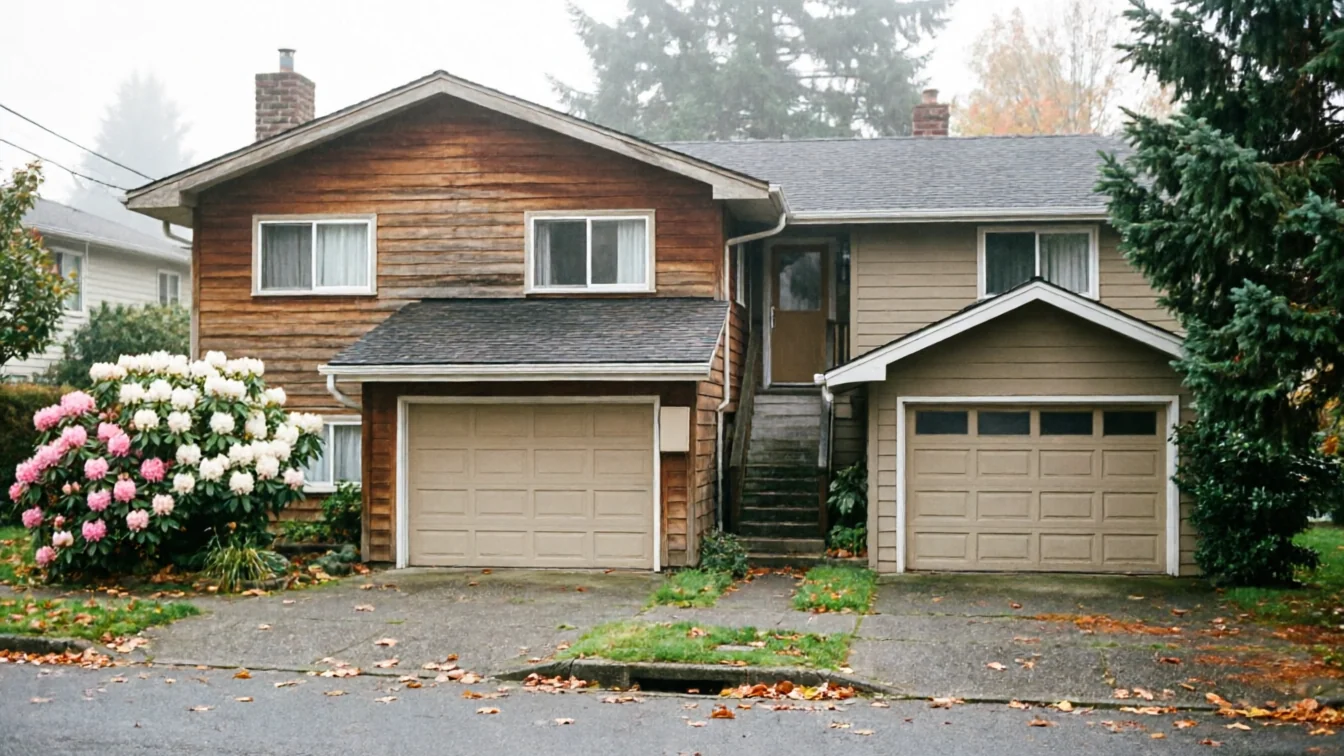
Swapping a belt-drive opener for another belt-drive opener on an already-reinforced header is within reach for someone comfortable with a drill and a ladder. What isn't a weekend project is matching the opener to an older door. Houses in Burien went up around 1965, the older edge of the 1965-to-2001 range that covers most of this service area, and doors from that era often carry heavier wood panels or non-standard track spacing that a generic home-center opener kit wasn't built for. Get the horsepower or the drive type wrong and you either strain the opener from day one or strip the door's own hardware trying to force a fit. If your garage still has the original door, that mismatch is the first thing to check before you buy anything.
Job timing
An opener swap on a door that's already in good shape is a few hours of work, start to finish, once travel is factored in.
We run this job out of Shoreline, and Burien sits about 19 miles down the route, so we schedule it rather than treat it as a same-morning call.
Where the job runs long isn't the install itself, it's what's underneath it: a 1965-era header that needs reinforcing, bent track that was never flagged, or wiring that predates the safety sensors required on every opener sold today. Those add time because they have to be fixed before the new opener goes up, not after.
Questions
It depends on your header clearance and track spacing. Homes built around 1965 sometimes have shorter headers than newer construction, which limits which opener models fit without extra bracing. We check this before recommending a specific unit rather than assuming a standard fit.
No. We're based in Shoreline and travel to Burien, about 19 miles out, to handle opener installs. We schedule the trip rather than offering same-hour service, so it helps to book ahead rather than expect a walk-in style visit.
Often yes, especially if the failure is a worn gear or a bad capacitor rather than a dead motor. Given the income range typical in Burien, we check the actual fault before recommending a full swap, since a working motor with a bad part is usually the cheaper fix.
This area sits in a cold, moderate climate band, and condensation plus cold-stiffened grease on an older rail slows the opener down. On a door with original 1965-era hardware, that drag is more noticeable because the track and rollers have had decades to wear.
Explore more
Ready when you are
Shoreline Garage Door Pros repairs and installs garage doors, springs and openers in Shoreline, WA and the surrounding area.