Checking a Garage Door Built in Shoreline's 1965-2001 Boom
In Shoreline, most garage doors date to the 1965-2001 building boom and face cold, wet Pacific Northwest winters.
Read moreMost Shoreline garage doors date to the 1965-2001 building boom, with 1980s hardware common across the area. Here's what each noise means and when to call.
Local detail
Shoreline's housing stock mostly went up between 1965 and 2001, with the median house dating to 1985, and that pattern holds across the 41 named areas that make up this service footprint, from Haller Lake to Richmond Beach-adjacent streets near the Sound. That matters because a door built or replaced during that window is now carrying hardware that's thirty to fifty years old.
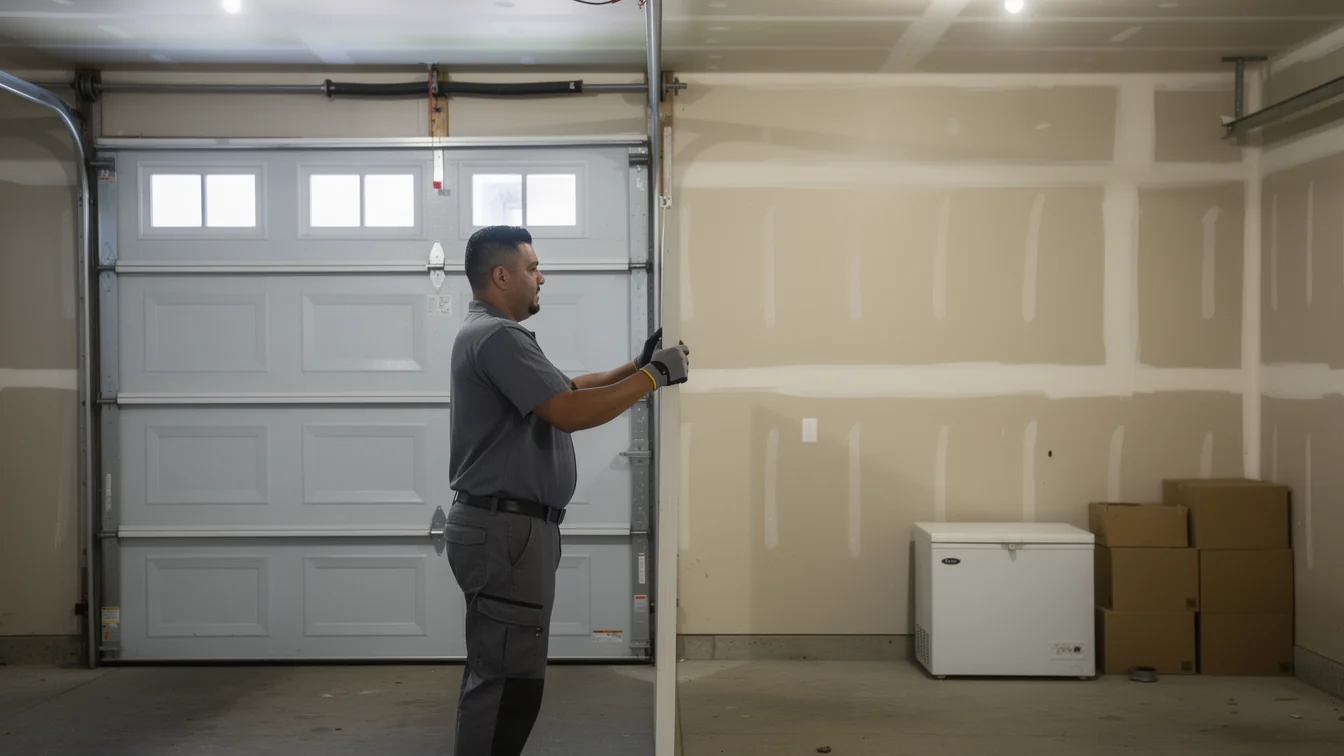
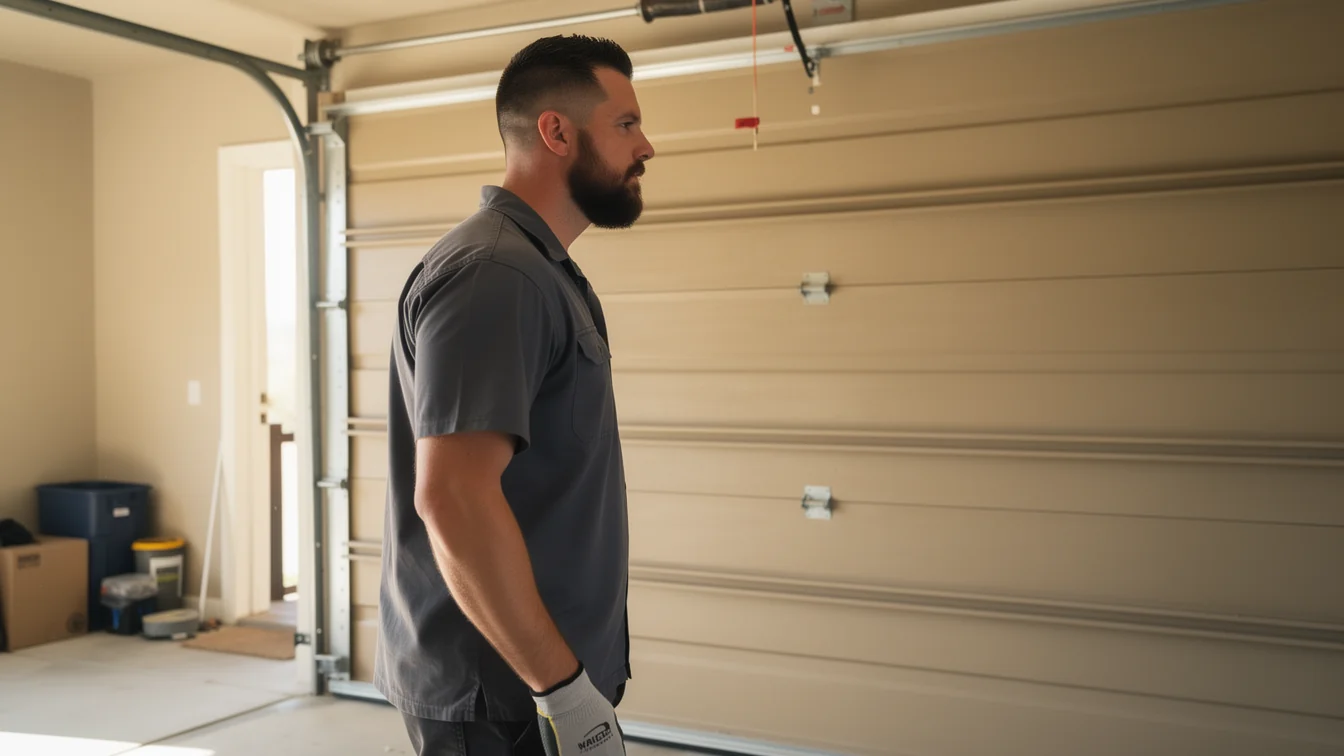
Before you call anyone, look at three things. First, the spring: torsion springs mount on a bar above the door, extension springs run along the horizontal tracks. Second, the rollers: steel rollers from the 1980s and 90s rust and flat-spot, nylon ones crack. Third, the track bolts where they anchor to the jamb - on a house this age they've been through enough seasonal flex to work loose. Write down what you see. A tech who knows whether you're dealing with original 1985-era hardware or a 2005 replacement opener can skip straight to the fix instead of diagnosing from scratch at your door.
The area
Shoreline sits in a cold-moderate climate band, not a harsh freeze-thaw zone, but enough temperature swing through the year to matter on a door this old. Steel track and torsion springs contract in cold mornings and expand through warmer afternoons, and on hardware installed when the house was built - call it the 1980s for most of this area - that cycling has run its course thousands of times.
The practical effect: grease that was fine in 1990 has thickened or washed out, bare steel spots where paint wore through start to pit, and bolts that were torqued once thirty-plus years ago back off a quarter turn at a time. None of this is dramatic. It's just slow wear that adds up faster in a climate with real seasonal swing than it would somewhere flat and dry year-round. A door that sounds fine every day for a decade can start complaining the same month the weather shifts, because the hardware is finally catching up to its age.
What we find
Different noises point at different parts, and on a house from this build era the usual suspects are predictable. A grinding sound, usually loudest near the top of the track, is almost always a roller - steel ones from the 1980s wear a flat side and grind every time that flat spot rolls through the track. A sharp pop or bang, especially right as the door starts moving, is a spring losing a coil's worth of tension, not snapping outright yet but close.
A steady rattle along the whole run is loose track bolts, which on a 35-to-50-year-old door is normal fatigue rather than a sign of anything installed wrong. A deep clunk right when the door reverses direction is usually a worn bearing at the end of the torsion bar - common on original hardware that's never been serviced since the house was built.
What none of these noises mean on their own is that the door is unsafe to use today. They mean a part is wearing out at the rate you'd expect from a door that's been running since somewhere in the 1965-2001 window this neighborhood was built out.
How we work
Rollers and loose bolts, most homeowners can handle with a ladder and the right wrench. Springs are where we draw a hard line: a torsion spring under tension can break a hand or worse, and we don't recommend touching one yourself, full stop. If the noise traces back to a spring, that's a call, not a weekend project.
Here's the honest limitation: if your door is original to a house built in the 1980s, matching parts aren't always sitting on a shelf anymore. Some of that hardware was discontinued years ago, and a repair can mean waiting on a part instead of a same-day fix. At some point - usually once you're replacing the opener, the springs, and the rollers all within a year or two of each other - a full door replacement costs less over time than chasing parts for hardware that's outlived its design life. We'll tell you straight which side of that line you're on instead of running up a repair bill on a door that's done.
Questions
On a house built in the 1965-2001 window common to this area, yes, it's normal for original hardware to start making noise somewhere in its third or fourth decade. Normal doesn't mean ignore it. Grinding rollers and popping springs both get worse, not better, so get it looked at before it fails mid-cycle.
Sometimes, if the noise is dry rollers or a dry hinge and the metal underneath isn't pitted or flat-spotted yet. On hardware that's thirty-plus years old, lubricant often just quiets a worn part temporarily rather than fixing it. If the noise comes back within a few weeks, the part needs replacing, not more grease.
A loud pop or bang right as the door starts to move, paired with the door feeling heavier than usual to lift by hand, points to a spring. Grinding that happens throughout the whole travel of the door is more likely a roller. If you're not sure, don't force the door - call and describe the sound.
Recommendation
More garage door guides for Shoreline homeowners.
In Shoreline, most garage doors date to the 1965-2001 building boom and face cold, wet Pacific Northwest winters.
Read more
Most Shoreline houses were built between 1965 and 2001, with a median year near 1985.
Read more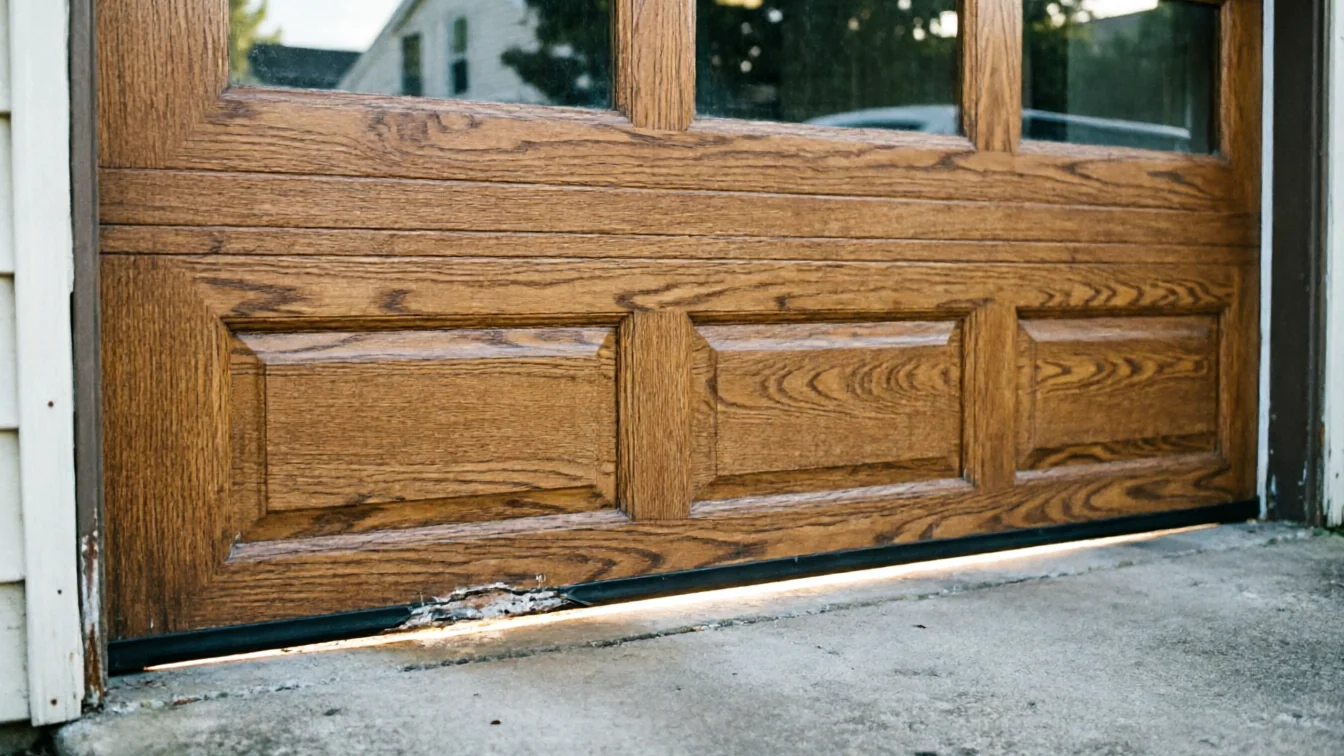
Shoreline's 1965-2001 housing stock means original seals rarely survive our cold, wet winters.
Read moreReady when you are
Shoreline Garage Door Pros repairs and installs garage doors, springs and openers in Shoreline, WA and the surrounding area.