Original spec stock
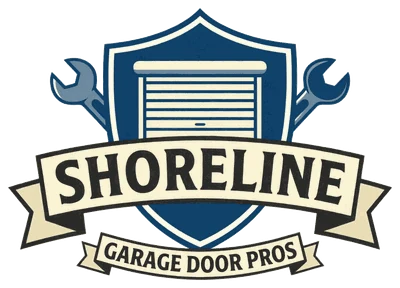
That means a lot of torsion springs rated for original door weight, galvanized lift cables that have never been swapped, and nylon or steel rollers that came standard before sealed bearings were common.
Shoreline, WA
Service for garage doors built 1965-2001 across Shoreline's 41 named areas. Maintenance tuned to Pacific Northwest cold-moderate winters and original hardware.
Local causes
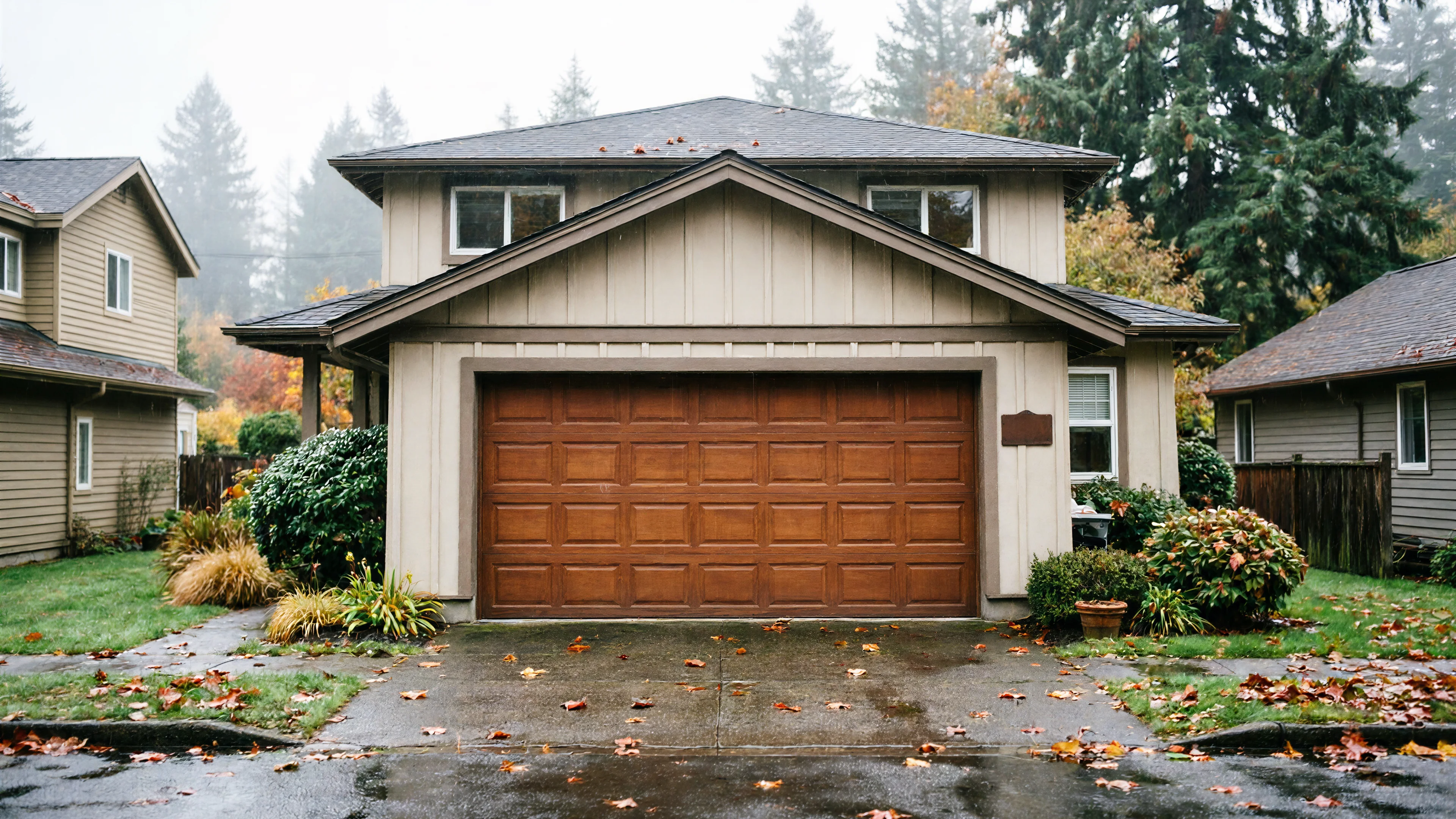
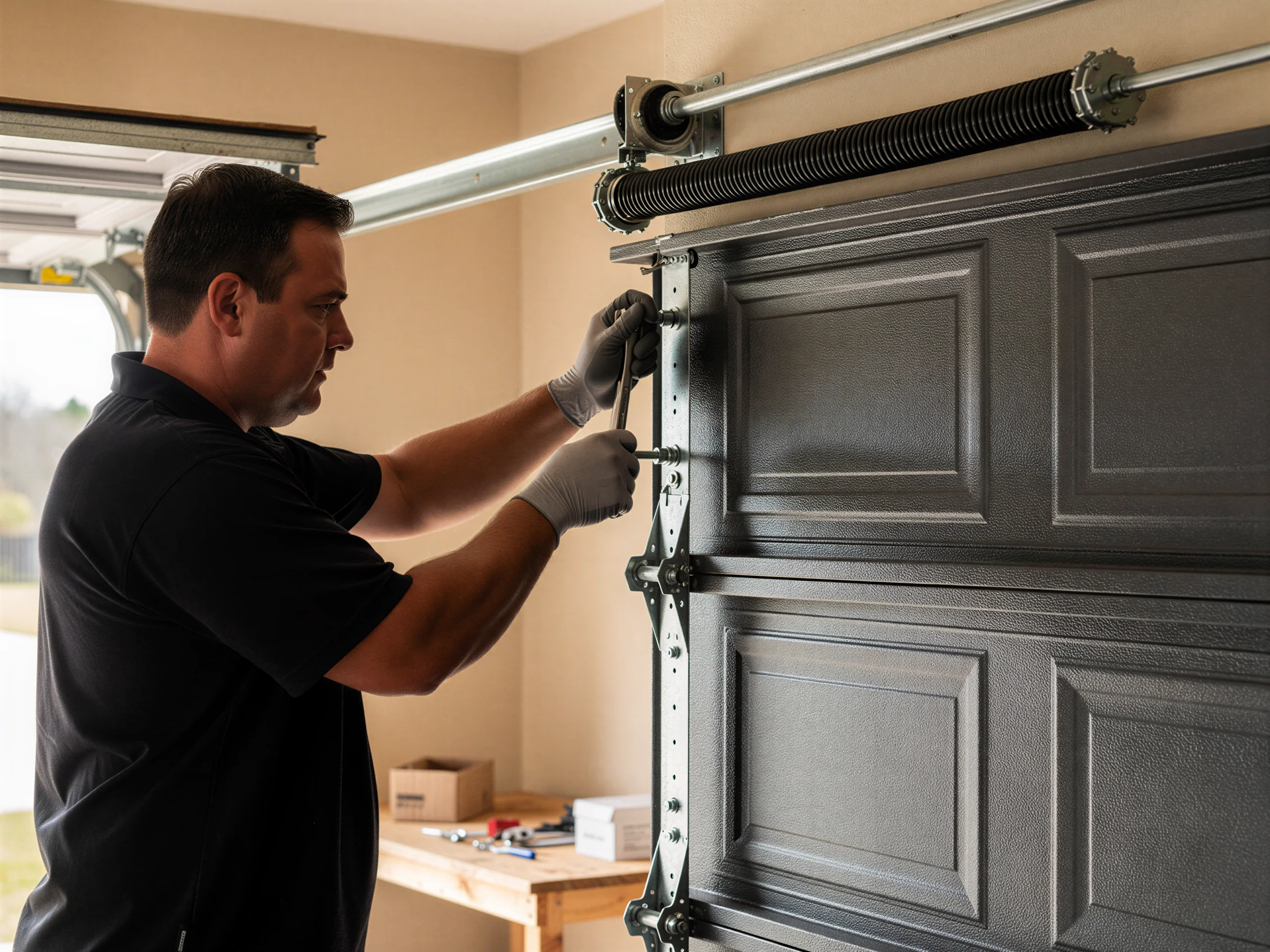
Across the roughly 202,623 households and 103,888 owner-occupied houses in this service area, the housing stock clusters tightly around a 1985 median build year, and most of it shares the same mechanical lineage - torsion or extension spring systems designed for the lighter steel and aluminum doors common through the 80s and 90s. Those systems were built for a 20-25 year service life, not 40. Layer on a cold-moderate climate where temperature swings and damp winters cycle metal expansion and contraction year-round, and spring fatigue plus hardware corrosion show up earlier than they would in a drier, milder region. With a median household income of $118,077 across the area, most owners can afford proactive maintenance, but plenty still wait for a failure because the door still opens. That's the gap maintenance closes - catching the spring or roller before it becomes a 2 a.m. call.
On the truck
Most of the garage doors we work on in this service area went up between 1965 and 2001, with the median build year around 1985.
That means a lot of torsion springs rated for original door weight, galvanized lift cables that have never been swapped, and nylon or steel rollers that came standard before sealed bearings were common.
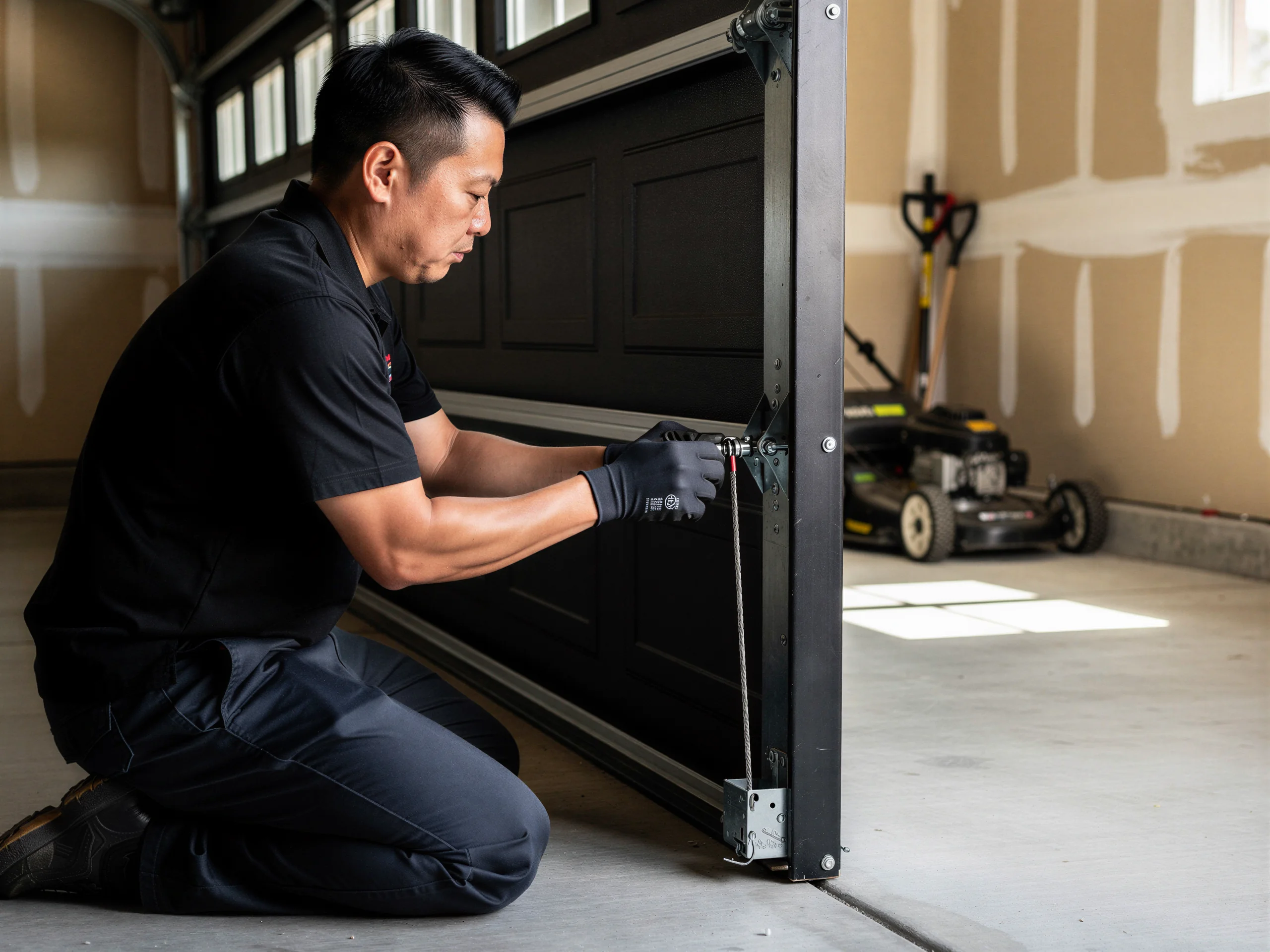
We stock replacement torsion springs sized for the single and double doors typical of that era, extension spring kits for the older side-mount setups still found on some of the 41 named areas we cover, and standard 1/8-inch aircraft cable in the lengths that fit 7-foot and 8-foot door openings from that build window.
We also carry weatherstrip and bottom seal stock sized for aluminum and steel sectional doors, since cold-moderate winters are hard on seals that have gone brittle. What we don't stock on the truck: specialty parts for doors manufactured outside the 1965-2001 window, or proprietary opener boards from brands that stopped making them. Those we order, and that adds a day or two.
Warning signs
A maintenance visit on a house built in the 1980s or 90s usually turns up the same handful of things. Springs that have lost tension gradually rather than snapping outright, which shows up as an opener straining or a door that won't stay up when disconnected.
Rollers with flat spots from decades of use, making the door rattle or stick a few inches into travel. Track bolts that have backed out slightly as houses settle, especially in homes built before stricter fastening standards.
In a cold-moderate climate, you also see lubricant that has gummed up or washed out, letting metal run against metal through the wet months. None of this fails all at once.
It shows up as the door getting a little louder, a little slower, or needing a push to close the last few inches. By the time an opener motor is straining audibly, the spring has usually been doing less of the work for months.
The repair
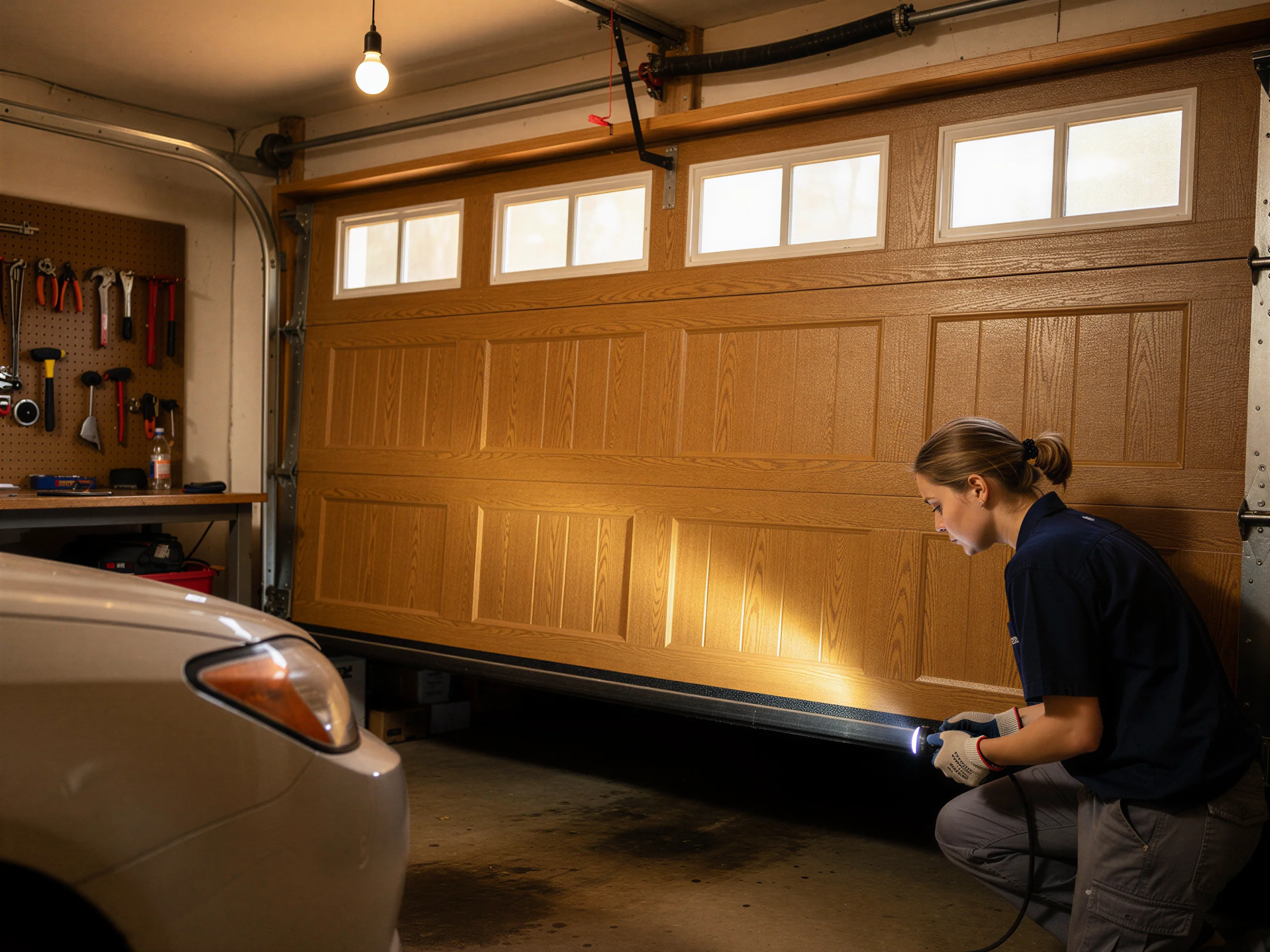
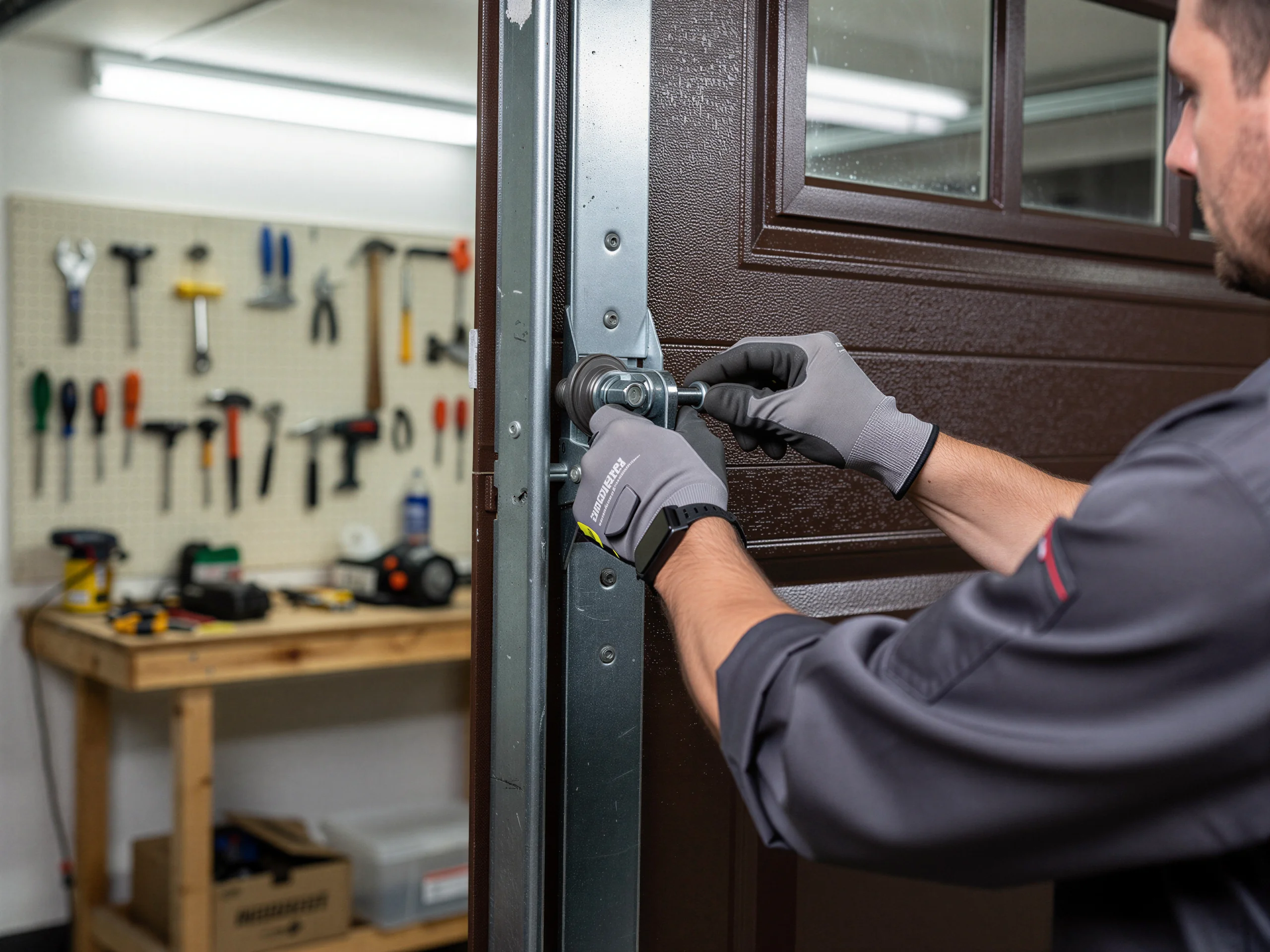
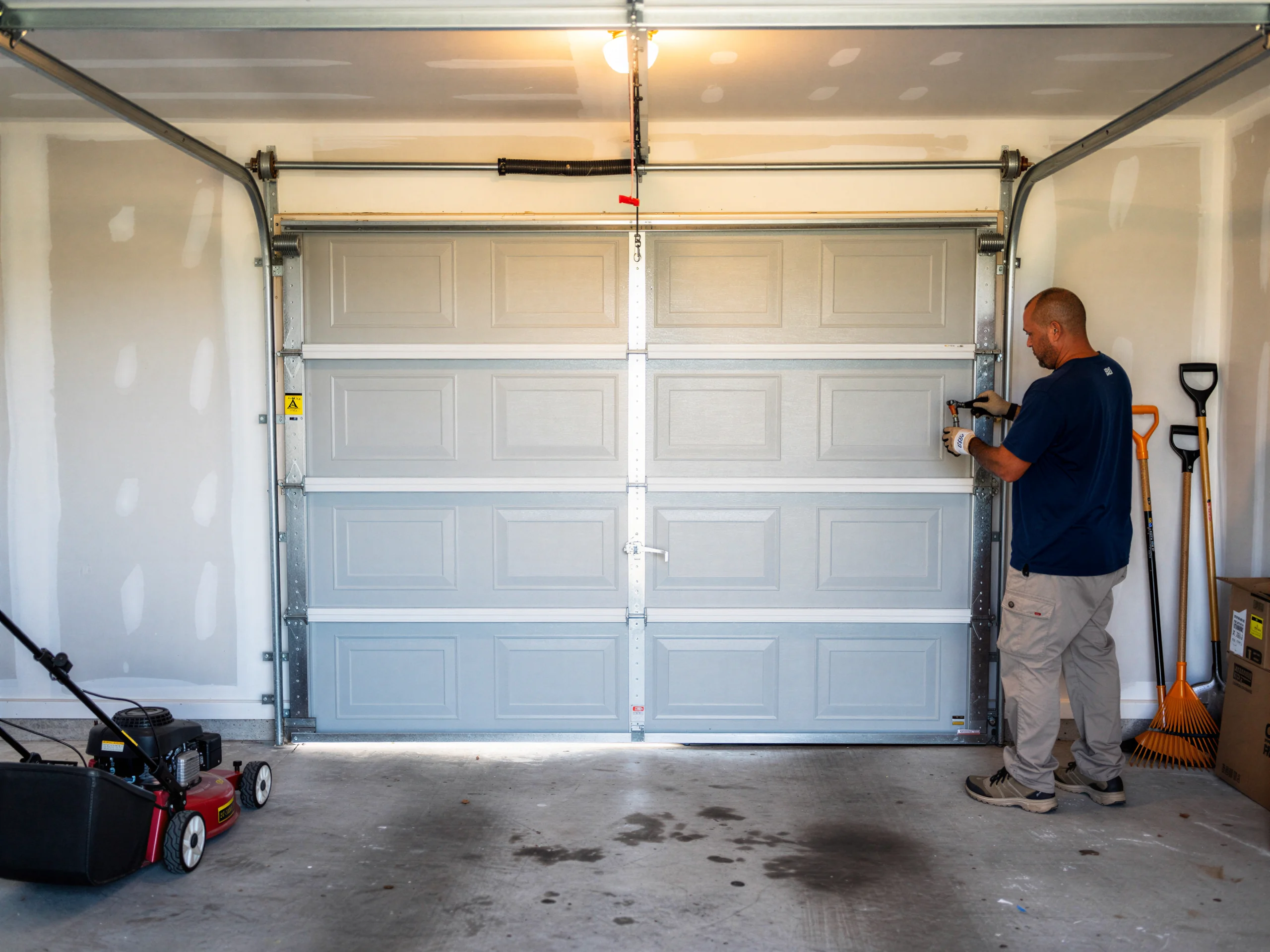
A standard maintenance call covers spring tension check and adjustment, roller and hinge inspection, track alignment, cable wear check, hardware torque check, and lubrication of moving metal parts.
On a door from the 1965-2001 stock that's never had a tune-up, this usually runs under an hour. If a spring is near end of life we'll say so and quote the swap separately rather than bundle it in, since spring replacement on a loaded torsion system is a different job with different risk.
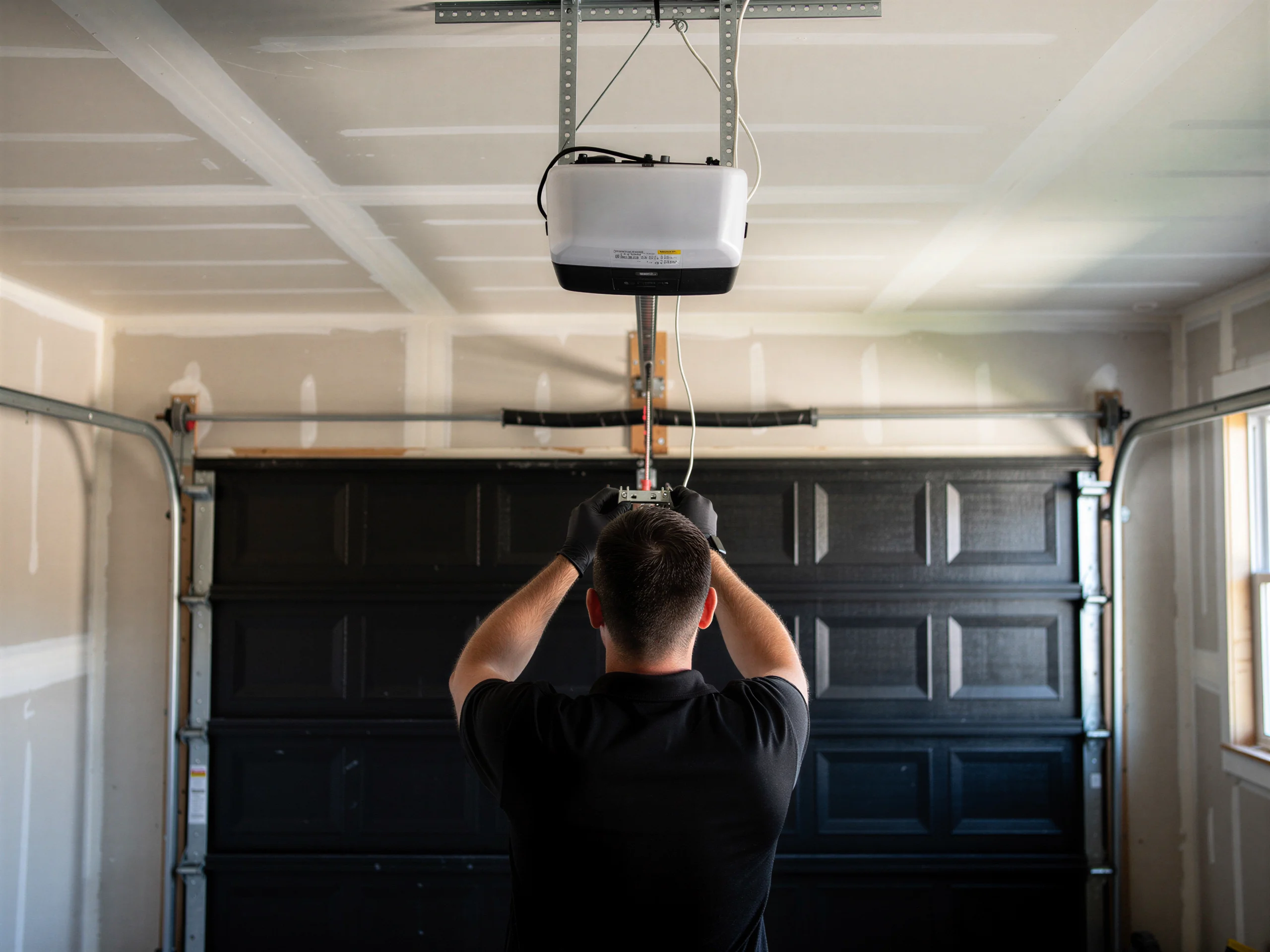
We don't replace parts that are still within spec just to round out a visit. If the opener itself is the issue - a logic board or a motor on its way out - that's diagnosis and a separate repair, not something a maintenance appointment fixes.
Our limitation here: if a door has been neglected for years and multiple systems are failing together, one visit may surface more than it resolves, and we'll be straight about what needs a follow-up.
Questions
For a door from the typical 1965-2001 stock in this area, once a year is reasonable, especially heading into the wetter winter months. If the door is original and has never been serviced, we'd start sooner so we can catch spring wear or roller damage before it leads to a bigger repair.
Often, yes. A lot of noise on older doors comes from dry hinges, worn rollers, or loose track hardware - all things a maintenance visit addresses. If the noise is coming from the opener motor itself, that's a separate issue we'll flag during the visit rather than guess at.
We do, but parts availability depends on the door. Newer doors usually have no issue. Much older doors sometimes need parts we don't carry on the truck, which we're upfront about before starting the job.
Explore more
Ready when you are
Shoreline Garage Door Pros repairs and installs garage doors, springs and openers in Shoreline, WA and the surrounding area.