Why Garage Door Seals Fail Fast in Shoreline's Older Homes
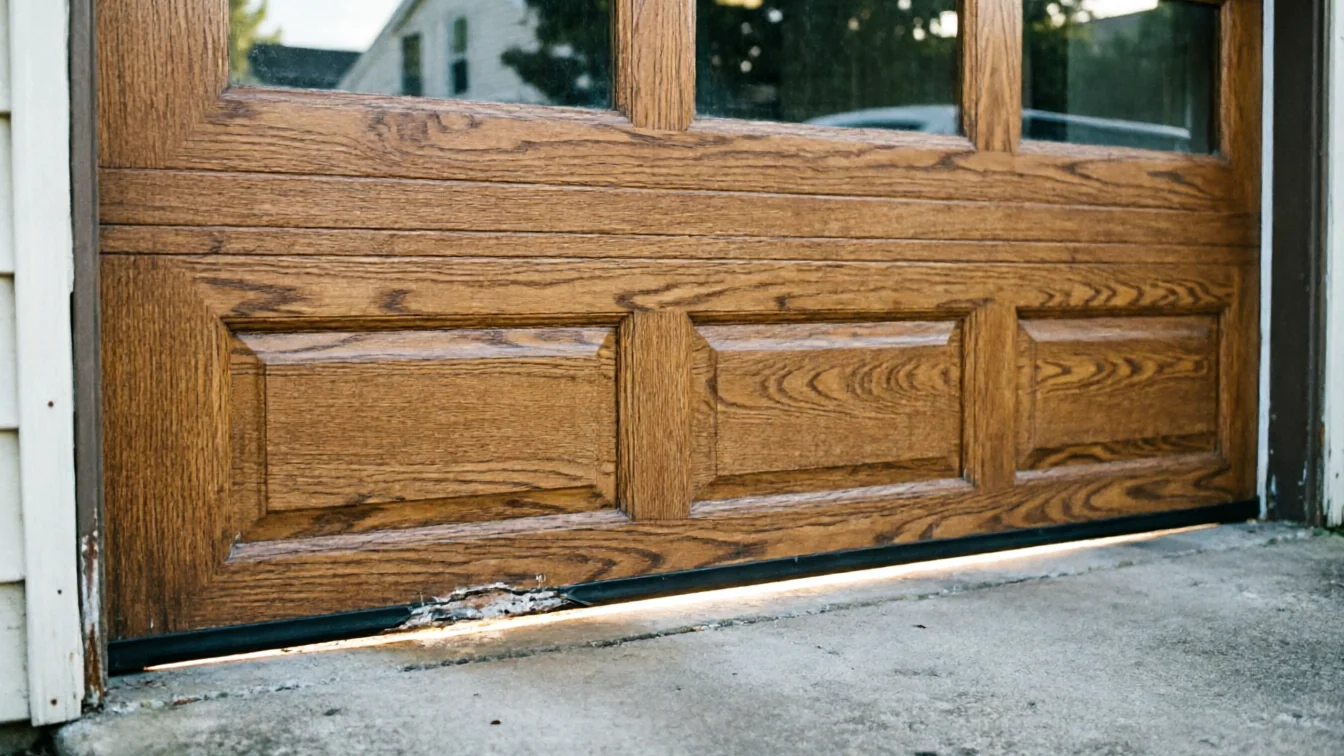
Shoreline's 1965-2001 housing stock means original seals rarely survive our cold, wet winters.
Read moreA look at how Shoreline's 1965-2001 housing stock and cold, damp winters affect garage door openers during power cuts, and when a stuck door calls for a pro.
Local detail
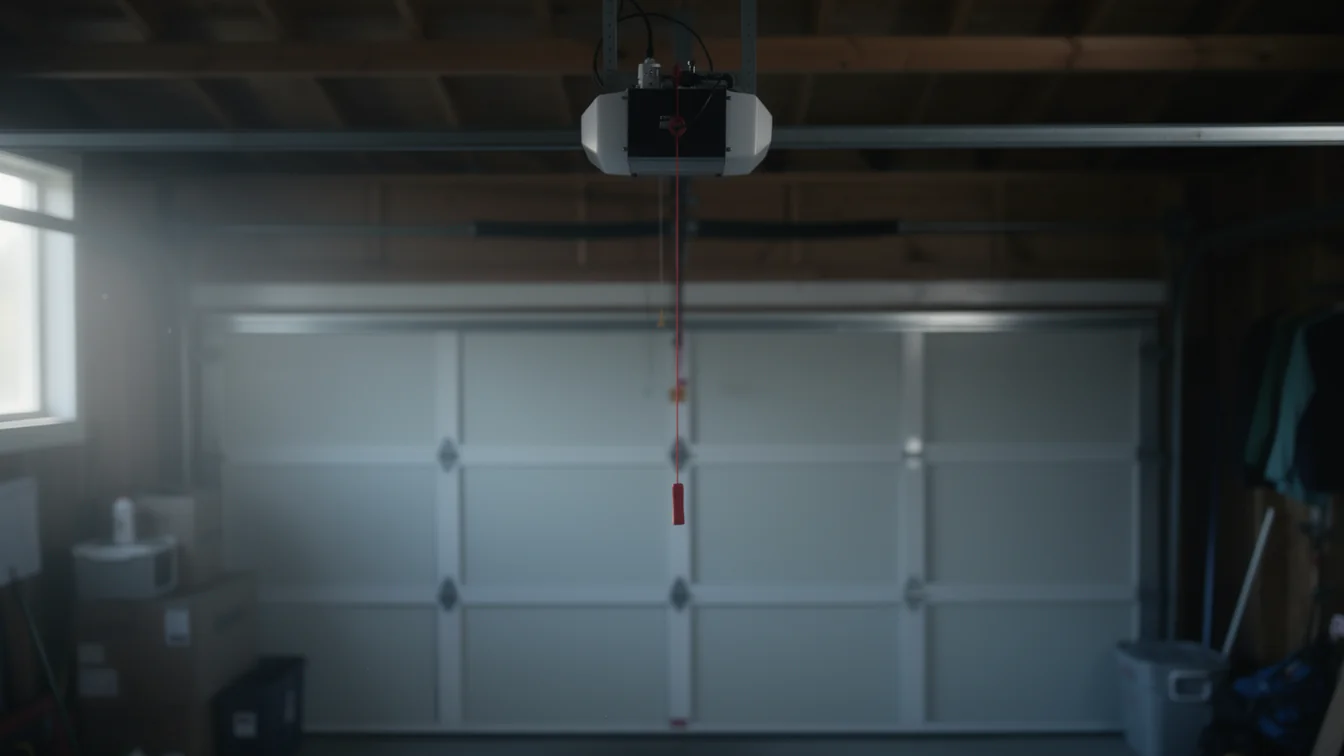
Most houses in this part of the service area went up between 1965 and 2001, with the bulk of the stock dating to the 1980s and 90s. That matters here because openers installed during those decades were built before battery backup was standard equipment. If your house near Haller Lake or Broadview still has its original opener, or one installed when the house was built, check the unit itself before you touch anything else. Look for a model plate on the motor housing - if there's no sticker mentioning a battery backup, you don't have one, and a power cut means the opener does nothing at all.
Next, find the manual release cord. In houses built in this window the release is usually a red cord hanging near the top of the door, close to the opener rail. Pull it straight down, don't yank it sideways, and the carriage should disengage from the track. If it doesn't move freely, or the door doesn't lift by hand afterward, stop - that's not an opener problem anymore, it's a spring or track problem, and that's a different job.
The area
This area sits in a cold-moderate climate band, which means winters bring sustained damp and periodic power interruptions rather than deep freeze. That combination is hard on opener circuit boards specifically: moisture gets into housings that were sealed decades ago, and repeated power cuts cause more wear on capacitors than steady power ever would. Houses built in the 1965-2001 window, which is most of what's here, were wired for openers with simpler electronics than today's units, and those boards don't tolerate repeated brownouts as well as newer ones with surge protection built in.
Salt air isn't a factor this far from open water, but the steady damp is. If your opener has started making an extra click or delay before it engages after an outage, that's often moisture in the board, not a dying motor. It's worth checking before you replace the whole unit.
What we find
The real issue isn't the power cut itself - it's that a door with no working opener and no battery backup is a door you can't get your car through, and in a household built around a single garage bay, that's the only way out for a lot of driveways here. With median household income in this service area at $118,077 and a large share of owner-occupied houses, most homeowners can afford a battery backup retrofit, but plenty haven't done it yet because the original opener still runs fine most days.
The other problem is timing. Outages here tend to be short, so a lot of people just wait them out rather than learn the manual release. That's fine until the outage happens right when you need to leave, and the first time you try the red cord in the dark is the wrong time to learn it doesn't release cleanly.
How we work
If the manual release works and the door lifts and closes smoothly by hand, you're fine - wait for power, or get a battery backup added to the opener. That's a straightforward retrofit on most of the 1980s and 90s-era units common in this area, and I'll say plainly that it's not always worth doing on an opener already near the end of its life; sometimes replacing the whole unit costs about the same once you account for compatibility.
Where it stops being a DIY job is if the door won't lift by hand after you've pulled the release, or if it drops suddenly instead of staying put. That's spring tension, not electronics, and on a door this size that's not a weekend project - torsion springs store enough force to cause a real injury. If you're not sure which problem you've got, that uncertainty itself is the sign to call rather than keep pulling cords and cables to see what happens.
Questions
Check the model plate on the motor housing for a mention of battery backup, or look for a small battery compartment on the unit itself. Openers installed with houses built here in the 1965-2001 window often predate battery backup as standard, so if you don't see one mentioned, you likely don't have one.
In this cold-moderate climate, damp gets into older circuit boards over the years, and a power cut can expose a board that was already struggling. A delay or extra click before the opener engages is usually the board, not the motor, especially in units original to a house from the 80s or 90s.
Usually yes if the rest of the unit is in good shape - it's a straightforward retrofit on most openers from this era. If the opener is already near the end of its life, replacing the whole unit may cost about the same and gets you a newer board less prone to power-cut wear.
Recommendation
More garage door guides for Shoreline homeowners.
Shoreline's 1965-2001 housing stock means original seals rarely survive our cold, wet winters.
Read more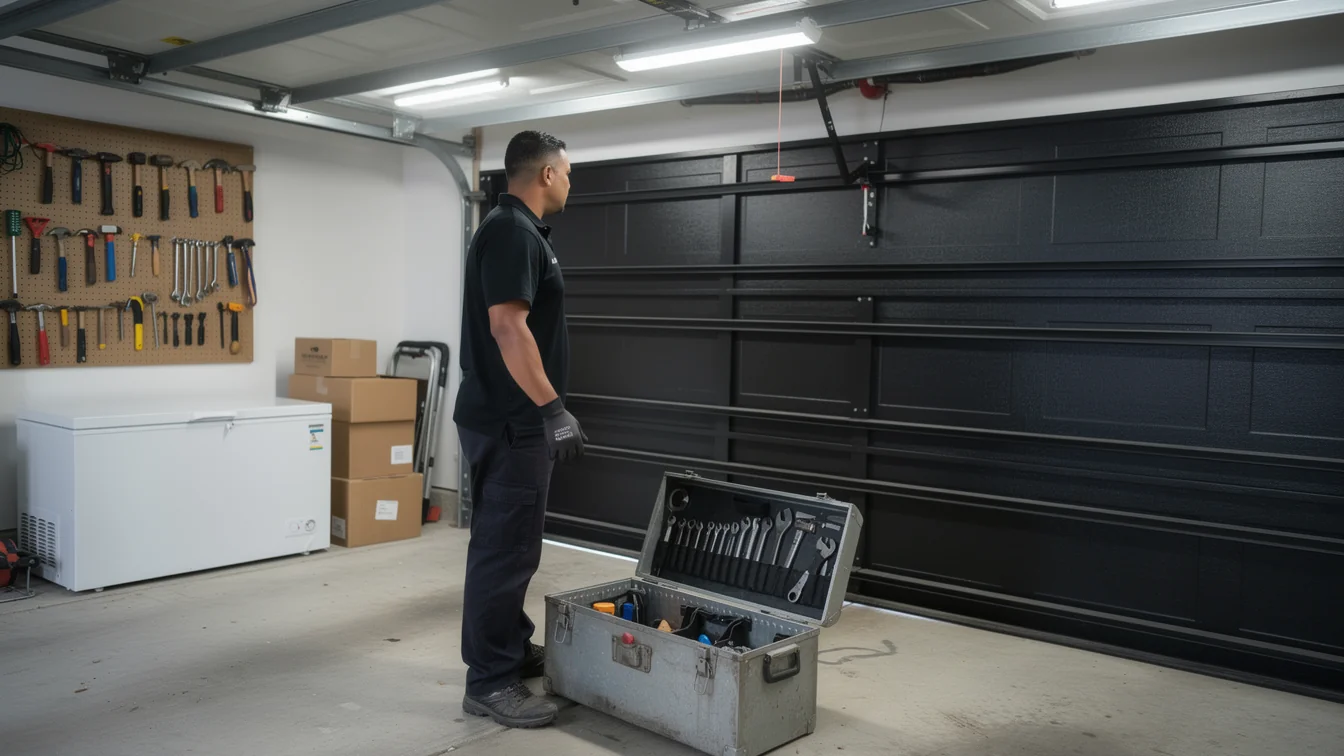
A breakdown of what a real inspection covers on Shoreline's 1965-2001 housing stock, from original hardware to moisture damage from the marine climate.
Read more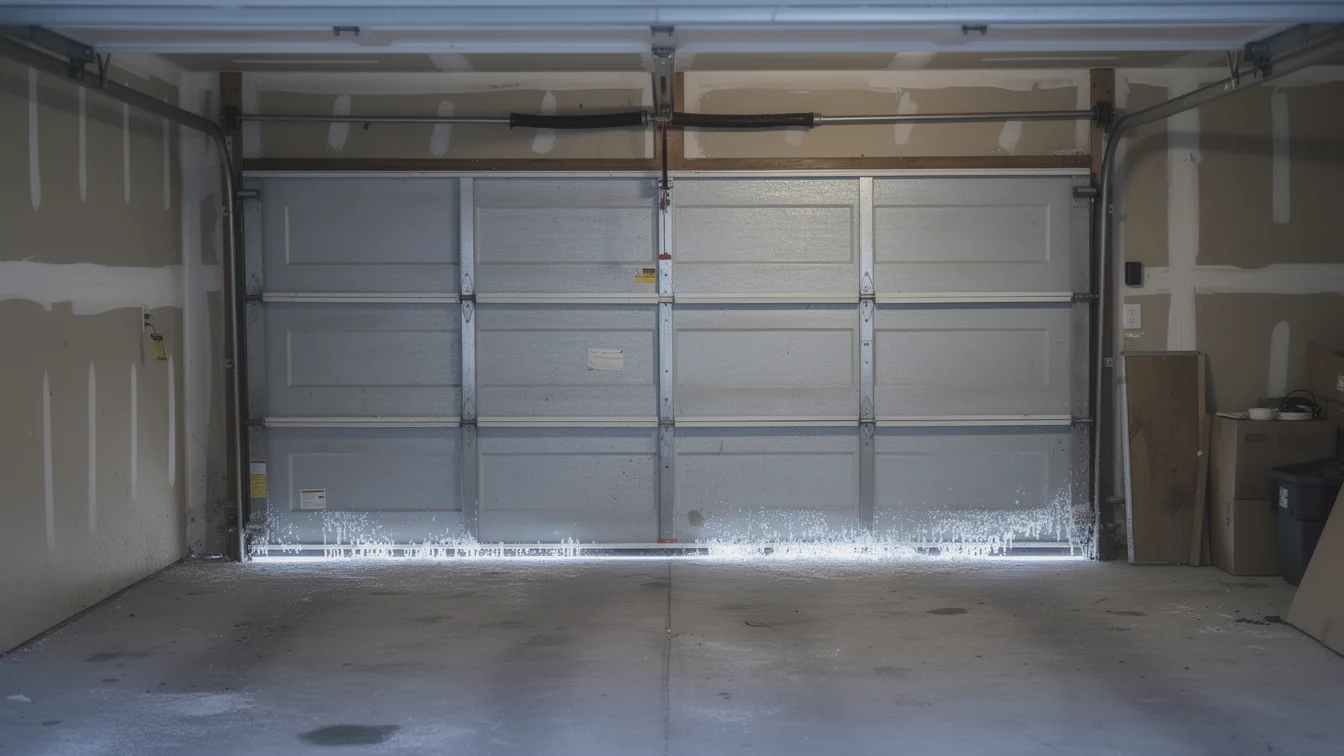
Shoreline homes built mostly in the 1980s and 90s came before modern insulation codes, which changes how garage doors fail here and what fixing one takes.
Read moreReady when you are
Shoreline Garage Door Pros repairs and installs garage doors, springs and openers in Shoreline, WA and the surrounding area.