Is Your Shoreline Garage Door Worth Fixing, or Done
Shoreline homes built mostly between 1965 and 2001 carry original hardware past its service life.
Read moreMost Shoreline houses were built between 1965 and 2001, with a median year near 1985. That age range decides what size, insulation, and hardware a new door needs.

Local detail
Before you call anyone about a new door, go look at what's actually bolted to your garage. Most houses in this area went up between 1965 and 2001, with the median landing around 1985, and across the 41 named areas that make up this service territory the stock skews heavily toward 1980s and 90s construction. That matters because door openings from that era were framed to standard sizes of the time, and a lot of the original steel sectional doors are still hanging on their original tracks with hardware that hasn't been touched since the house was built. Check the track gauge - thin, lightweight track was common on builder-grade doors from that period and it flexes more than what's sold today. Look at the bottom panel for rust or water staining along the seam, and check whether the door has any insulation at all, since a lot of 1980s-90s builder doors were single-layer steel with no foam core. Note the opening width too. A two-car opening from this build era is usually 16 feet, but some of the older end of that range (closer to 1965) used narrower openings that won't take a standard door off the shelf without a frame adjustment.
The area
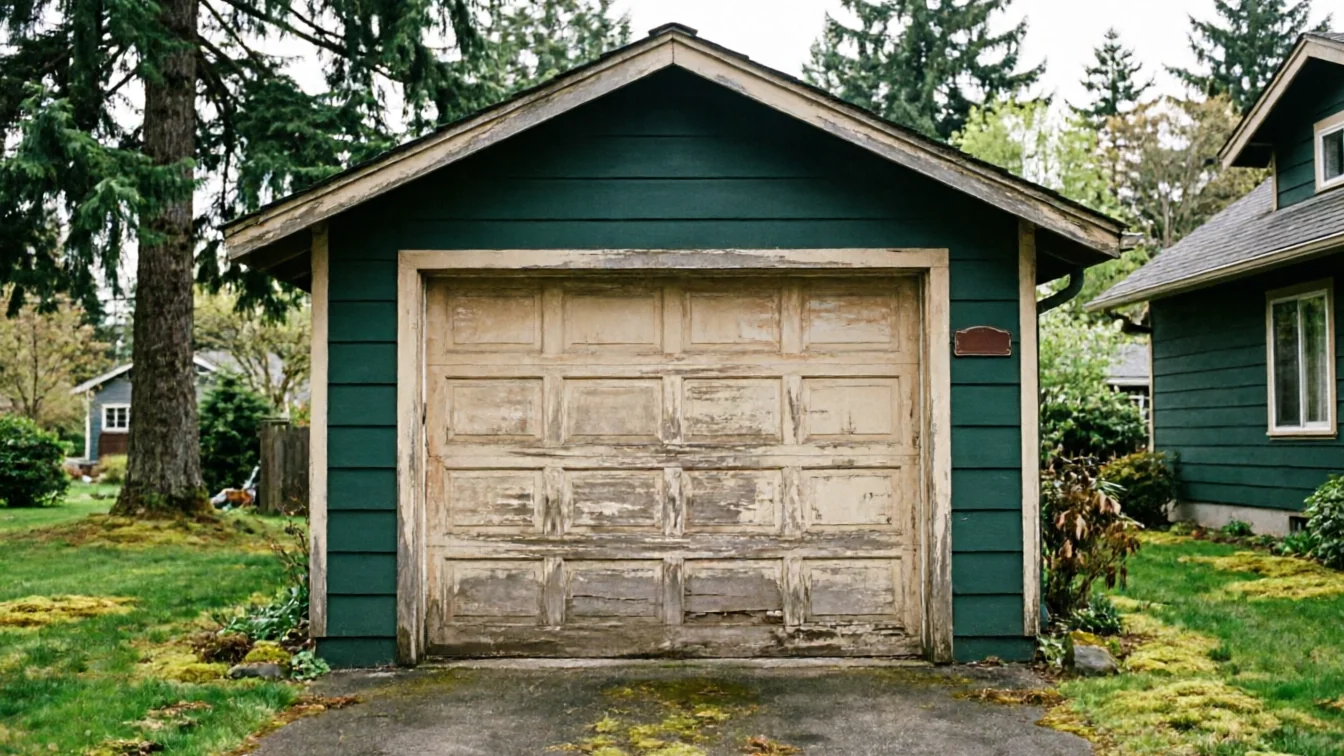
This area sits in a cold-moderate climate band, not the kind of extreme heat or hard freeze-thaw cycling that cracks concrete aprons or warps steel outright, but it's damp enough, consistently, that it works on anything with exposed fasteners or untreated wood trim over years. On a door that's 30-plus years old, that shows up as rust bleeding through paint at the bottom corners, swollen jamb trim where the door seal has failed, and hinges that have seized just enough to make the door bind on one side before it fully opens. None of this is dramatic weather damage - it's slow, steady moisture doing what moisture does to older hardware. If you're shopping for a replacement, this is the argument for a door with a galvanized or hot-dipped bottom section and a composite or vinyl-capped bottom seal rather than the painted steel and rubber flap combination that shipped standard on houses built in this range.
What we find
The actual problem homeowners run into here isn't finding a door - it's finding one that fits what's already there without redoing the opening. A house built in 1985 has rough framing, header height, and track clearance sized to doors that aren't made the same way anymore. Standard new doors come in common width and height combinations, but the jamb depth and headroom on an older opening can be a few inches off from what current track and spring systems assume, especially if the garage has a low header or the opening was framed slightly undersized to begin with. That mismatch is why a straight swap sometimes turns into a bigger job: new jamb brackets, a different spring mount, sometimes a header extension. It's not that the door is wrong for the house - it's that the house predates the door by three or four decades and the two don't always meet in the middle without some carpentry.
How we work
Swapping panels or a weatherstrip kit is reasonable weekend work. Replacing the whole door on a house from this build era usually isn't, and here's the honest limit: if your opening needs framing work to take a standard-size door, or the existing track and spring system has to come out because it doesn't match anything sold today, that's not a one-person, one-afternoon project anymore. We don't recommend DIY on anything involving torsion spring removal or header modification - the risk of injury is real and the tolerances for a new track to run true are tighter than they look. If you're not sure which situation your garage is in, that's the one thing worth a second set of eyes before you buy a door at all.
Questions
Usually close, but not guaranteed. Houses in this area built through the 1965-2001 range were framed to common openings of their time, and most take a standard width door, but headroom and jamb depth can be off enough on older builds that some bracket or trim work is needed to get a clean fit.
Not dramatically. This is a cold-moderate climate, not a freeze-thaw or extreme heat zone, so the damage you'll see on an older door is slow - rust at the bottom seam, swollen trim, stiff hinges - built up over years of damp conditions rather than any single weather event.
Depends on what's failing. A worn seal or a bent panel is a repair. A door with seized original hardware from the 1980s-90s build era, rusted track, and no insulation is usually past the point where repair saves you money long-term, but that's a judgment call specific to the door in front of us.
Recommendation
More garage door guides for Shoreline homeowners.
Shoreline homes built mostly between 1965 and 2001 carry original hardware past its service life.
Read more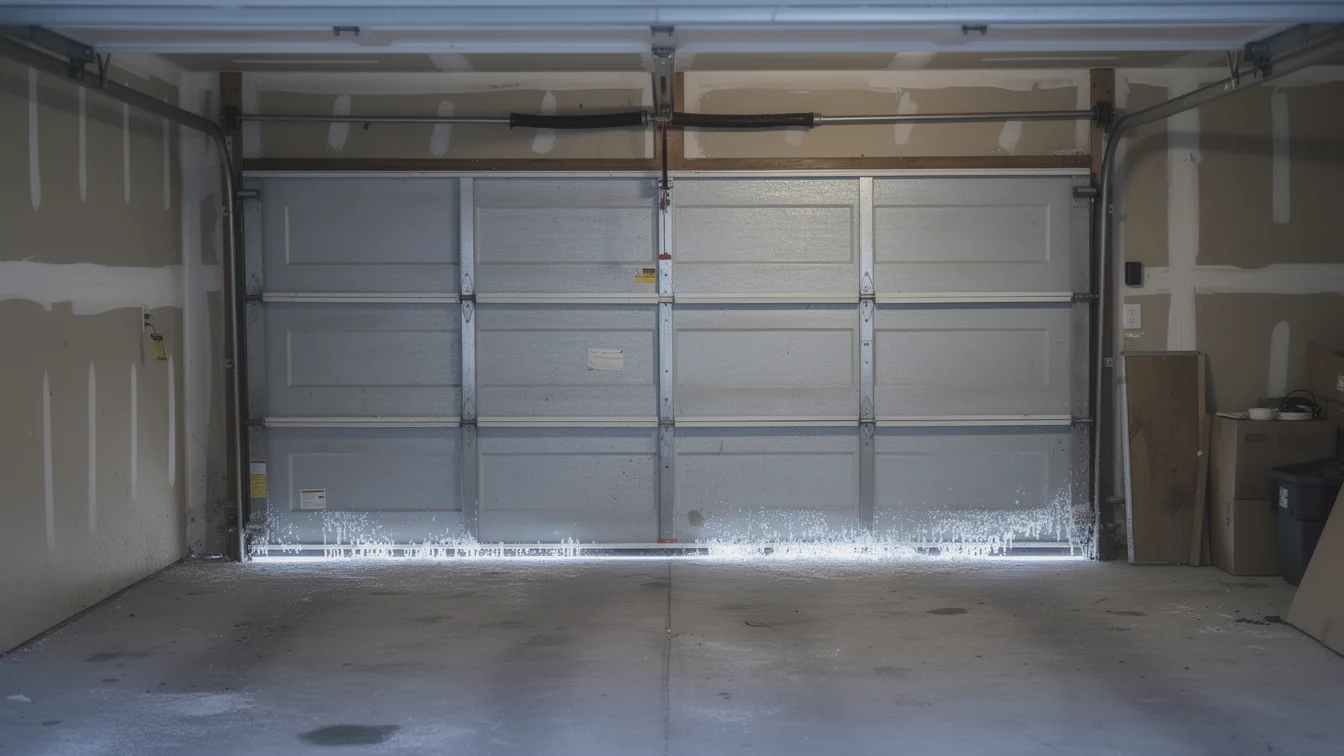
Shoreline homes built mostly in the 1980s and 90s came before modern insulation codes, which changes how garage doors fail here and what fixing one takes.
Read more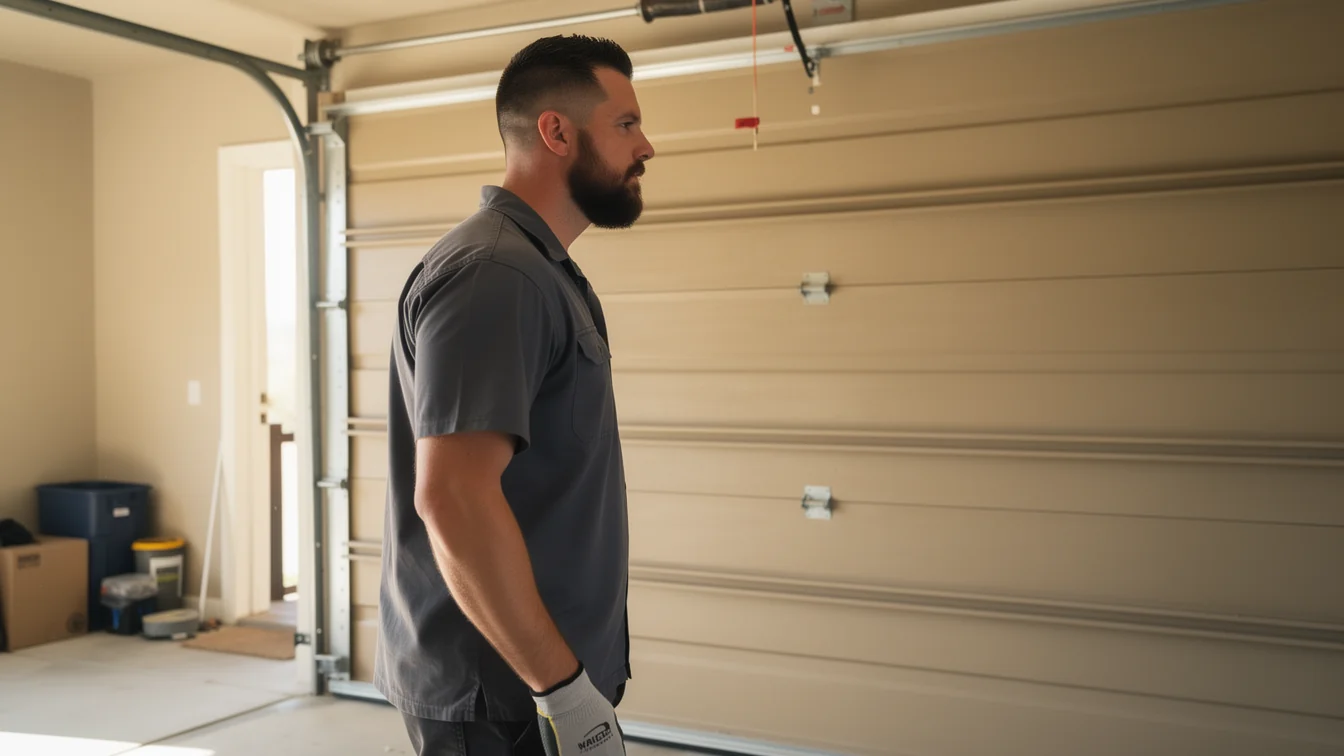
Most Shoreline garage doors date to the 1965-2001 building boom, with 1980s hardware common across the area.
Read moreReady when you are
Shoreline Garage Door Pros repairs and installs garage doors, springs and openers in Shoreline, WA and the surrounding area.