Why Shoreline's 1980s Housing Stock Changes Garage Door Repair
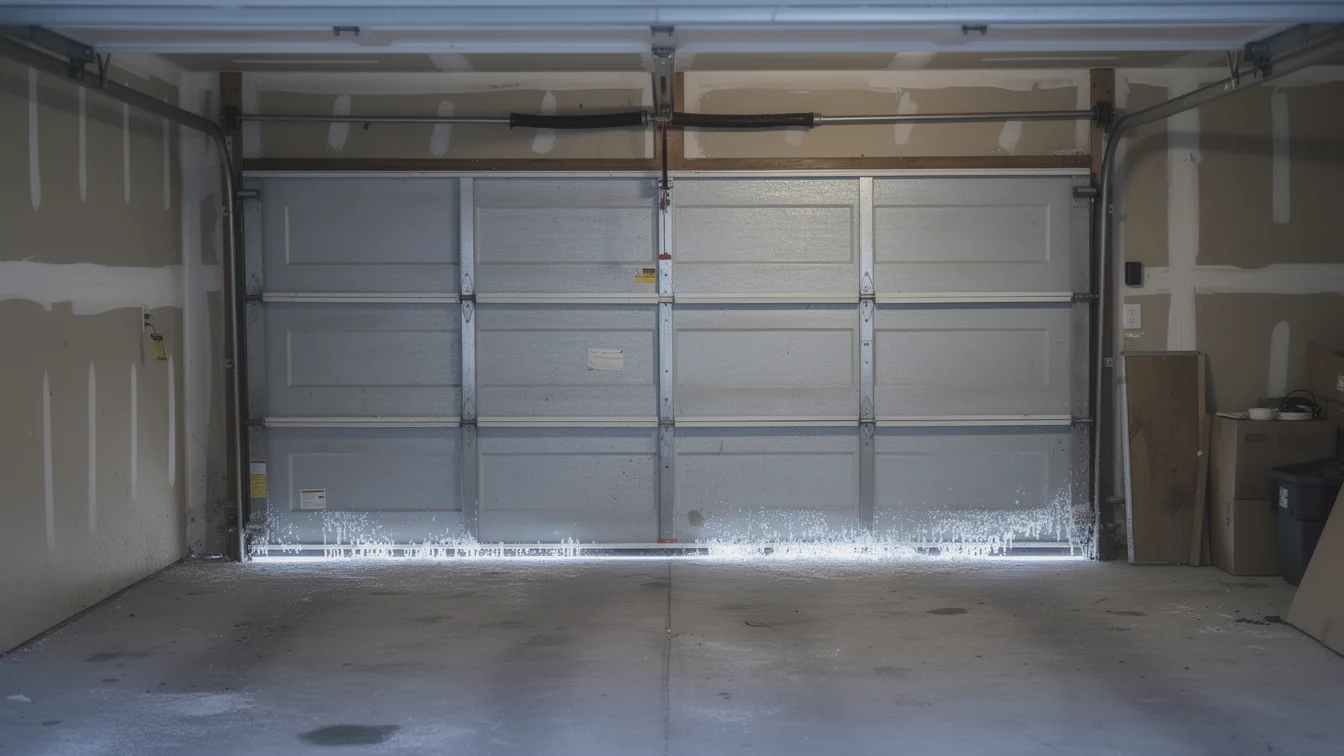
Shoreline homes built mostly in the 1980s and 90s came before modern insulation codes, which changes how garage doors fail here and what fixing one takes.
Read moreShoreline's 1965-2001 housing stock means original seals rarely survive our cold, wet winters. Here's what fails first and when a seal fix won't cut it.
Local detail
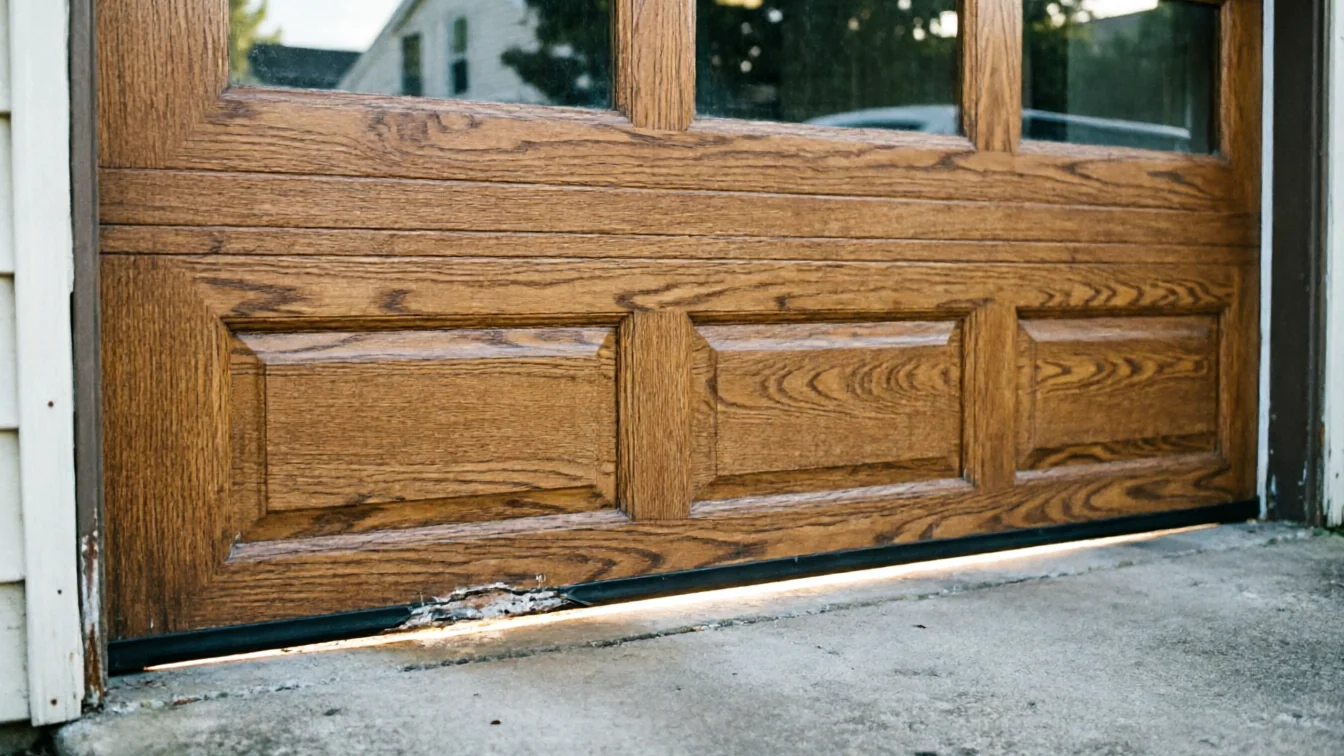
Most garage doors around here went up between 1965 and 2001, with the median build year sitting at 1985 and the bulk of the stock dating to the 1980s and 90s across the 41 named areas in this service territory. That means a lot of original bottom astragals and jamb weatherstripping that have never been swapped. Start at the bottom seal - press a finger along the underside on a cold morning. If it's stiff instead of pliable, it's past its working life. Next, check the vertical seals where the door meets the jamb; daylight showing through the gap is the giveaway. Then the top seal, often ignored, where the panel meets the header. Last, stand inside with the door closed and feel for air movement at the threshold. One thing worth saying plainly: a visual check tells you the seal is bad, not whether the framing behind it has started to rot. That second part needs hands-on inspection, not a flashlight from the driveway.
The area
This area sits in a cold, moderate climate band - not the deep-freeze extremes some regions get, but enough damp cold through the winter months to do real damage to vinyl and rubber seals over the decades. Cold makes vinyl brittle; it shrinks slightly and loses the flex that let it hug the slab and jamb when it was new. Add in the moisture that comes with a Pacific Northwest winter and you get a cycle - seal hardens, gap opens, moist air gets pulled in, and the hardened seal can't close that gap back up. On a house built in the 1980s or 90s, that seal has been through thirty-plus winters of this cycle. It's not a defect, it's just the material reaching the end of what it was built to do. Newer doors use different seal compounds that hold flexibility longer, which is part of why this shows up more on the original stock than on recent installs.
What we find
A failed seal on a door this old rarely stays a small problem. The draught itself raises heating costs in a house that was framed before today's energy codes, and the garage often shares a wall with living space, so the cold air doesn't stop at the door. Moisture that gets pulled in through a cracked bottom seal also sits on the slab and on anything stored near the door - tools, boxes, bikes - and over years that dampness reaches the jamb framing itself, especially on houses from the 1965-2001 build window where the wood wasn't always pressure-treated at the base. We also see it reach opener electronics mounted near the header; cold, damp air circulating in a garage with a bad seal shortens the life of sensors and circuit boards faster than a sealed one. None of this happens overnight. It's a slow accumulation, which is exactly why a seal that looks
How we work
Swapping a bottom seal or a run of jamb weatherstripping is reasonable work for an owner with basic tools, and we won't tell you otherwise. Where it stops being a weekend job is when the seal failure has been there long enough to warp the jamb, rot the base of the framing, or let enough moisture in to swell the bottom panel - all of which show up more often on the older end of this area's 1965-2001 housing stock than on anything built in the last fifteen years. If the door doesn't sit flush against a new seal no matter how you adjust it, the track or the jamb itself has probably shifted, and that's a structural fix, not a seal fix. With median household income in this area around $118,077 and roughly 103,888 owner-occupied houses here, most owners are weighing a seal replacement against a full door replacement at some point - and that's a call worth making with someone who can see what's behind the trim, not guess from a product label.
Questions
There's no fixed interval in the data we work from, but vinyl bottom seals on houses from the 1965-2001 era typically show cracking or hardening well before the door itself needs replacing, simply from decades of cold, damp winters cycling the material. Check it yearly; replace it when it's stiff rather than on a schedule.
It fixes air coming through the gap at the bottom, sides, and top of the door, which is often most of it on an older door. It won't fix heat loss through an uninsulated panel or a rotted jamb behind the seal - those are separate problems that a seal alone can't solve.
On houses in this area's common 1980s-90s build range, moisture can be entering at the slab edge or through the jamb framing rather than the door seal itself. A seal that looks fine can mask a different moisture source, which is why a damp smell is worth a closer look rather than just a new seal.
Recommendation
More garage door guides for Shoreline homeowners.
Shoreline homes built mostly in the 1980s and 90s came before modern insulation codes, which changes how garage doors fail here and what fixing one takes.
Read more
In Shoreline, most garage doors date to the 1965-2001 building boom and face cold, wet Pacific Northwest winters.
Read more
Shoreline homes built mostly 1965-2001 face a specific spring problem when cold weather hits.
Read moreReady when you are
Shoreline Garage Door Pros repairs and installs garage doors, springs and openers in Shoreline, WA and the surrounding area.