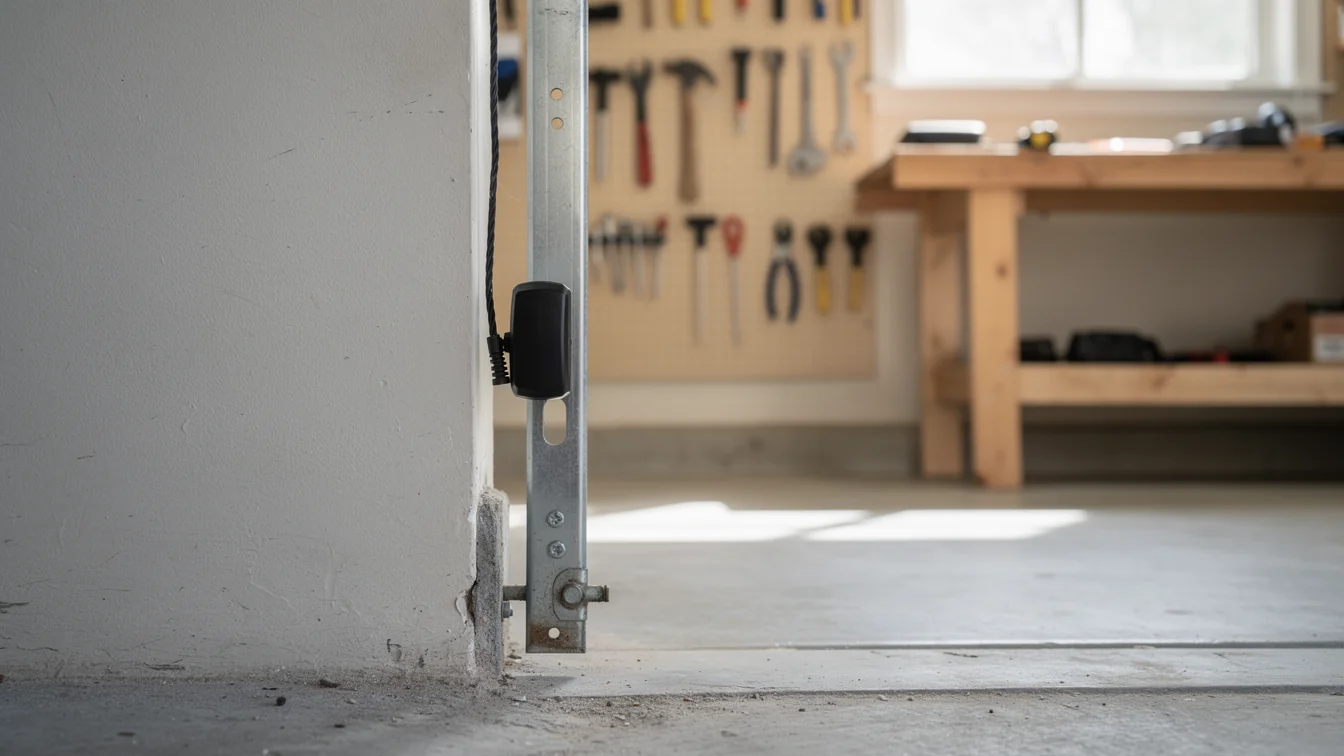
Why Your Garage Door Sensors Keep Drifting Out of Alignment
Shoreline homes built mostly 1965-2001 still run original sensor brackets.
Read moreShoreline homes built mostly between 1965 and 2001 carry original hardware past its service life. Here's how to tell what's worth repairing and what isn't.
Local detail
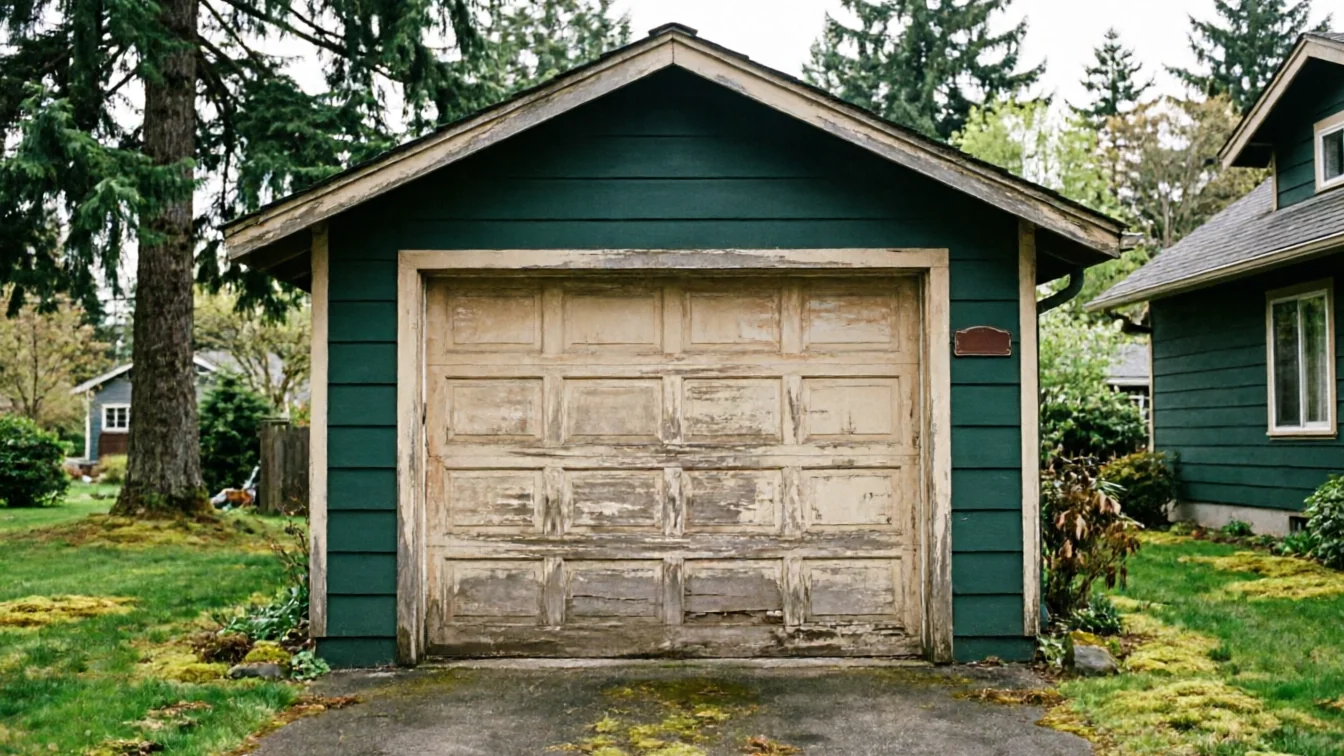
Start with the spring, not the opener. Most houses in this part of Shoreline went up between 1965 and 2001, with a lot of that stock clustered in the 1980s and 90s across the named neighborhoods here, which means a sizable share of doors are running their second or third spring but their original track and drum setup. Check the torsion spring for gaps between coils when the door is down - that's fatigue, not rust. Look at the bottom bracket and the cables where they wrap the drum; on a door from that era, those parts have usually seen 10,000+ cycles and the cable strands fray before anyone notices. If the opener is the original chain-drive unit from a 1980s build, the motor may still run fine while the logic board and safety reversal are long past reliable. Age alone doesn't condemn a door. A well-balanced door from 1988 with a new spring and lubricated rollers can outlast a cheap door installed five years ago. What matters is whether the track is still straight, the panels aren't delaminating at the seams, and the opener still reverses on contact. If you're not sure what you're looking at, that uncertainty is itself useful information - it tells you this isn't a five-minute call.
The area
Shoreline sits in a cold-moderate climate band, which doesn't mean brutal winters, but it does mean steady damp and repeated freeze-thaw cycles through the cooler months rather than one hard event. That's a slow grind on garage door hardware: galvanized springs lose their coating faster than they would in a dry climate, hinges develop surface rust that locks up rollers, and wood-composite panels from the 1980s and 90s swell slightly with moisture and never quite return to true. None of this shows up as a dramatic failure. It shows up as a door that's gotten a little louder, a little harder to lift by hand, a little slower to seat at the bottom. On a house from this build era, that gradual stiffening is usually the hardware telling you it's past its design life, not a sign something's about to snap tomorrow. The honest trade-off: sealing and lubrication slow this down but don't stop it, and a door that's been neglected for a decade in this kind of damp cold has usually lost more structural integrity than a quick visual check will reveal.
What we find
The actual problem with doors from the 1965-2001 wave isn't that they're old - it's that a lot of the original hardware was sized for a lighter door than what often replaced it. Somewhere in that window, a lot of these Shoreline-area houses had their original single-layer panel door swapped for a heavier insulated one, with the same springs left in place because nobody checked the math. That mismatch means the opener works harder than it should, the spring cycles out faster than its rated life, and the cables carry more load than they were sized for. You can't eyeball this. A door that looks fine and lifts smoothly can still be running on a spring rated for 80 pounds less than what it's actually holding. This is the honest limitation here: a visual check tells you about wear, not about whether the original hardware was ever matched to the door it's lifting. That's a measurement job, not a glance.
How we work
Lubricating hinges, tightening loose bolts, and clearing track debris are fine weekend work. Springs are not. A torsion spring under tension can put someone in the hospital, and on a door from the 1980s or 90s, the winding cone and shaft are often worn enough that even a careful DIY spring swap doesn't seat correctly. If your door is original to a house built in that 1965-2001 window and you're seeing cable fray, a bent track, or an opener that no longer reverses when it hits resistance, that's the point to call rather than keep adjusting it yourself. We'll tell you straight if the door's worth repairing or if the hardware mismatch and age mean replacement is the better money. Not every call ends in a sale - sometimes the honest answer is that a $40 roller replacement buys you another five years.
Questions
If your Shoreline home was built between 1965 and 2001 and you've never had a spring replaced, it's likely original or close to it. Look for visible rust pitting, gaps between coils when the door is closed, or a door that feels noticeably heavier to lift by hand than it used to. Those are signs the spring is past its rated cycle life.
The cold-moderate, damp conditions here don't cause sudden failures, but they accelerate corrosion on springs, hinges, and track hardware compared to a drier climate. Doors that would last longer somewhere arid tend to show rust-driven stiffness and roller wear sooner here, especially on hardware original to houses from the 1980s and 90s.
Sometimes. If the door itself is structurally sound and balanced, swapping an aged chain-drive opener for a newer one with proper safety reversal can be worth it. But if the spring and cables are also near end of life, doing the opener alone just means another service call soon after.
Recommendation
More garage door guides for Shoreline homeowners.
Shoreline homes built mostly 1965-2001 still run original sensor brackets.
Read more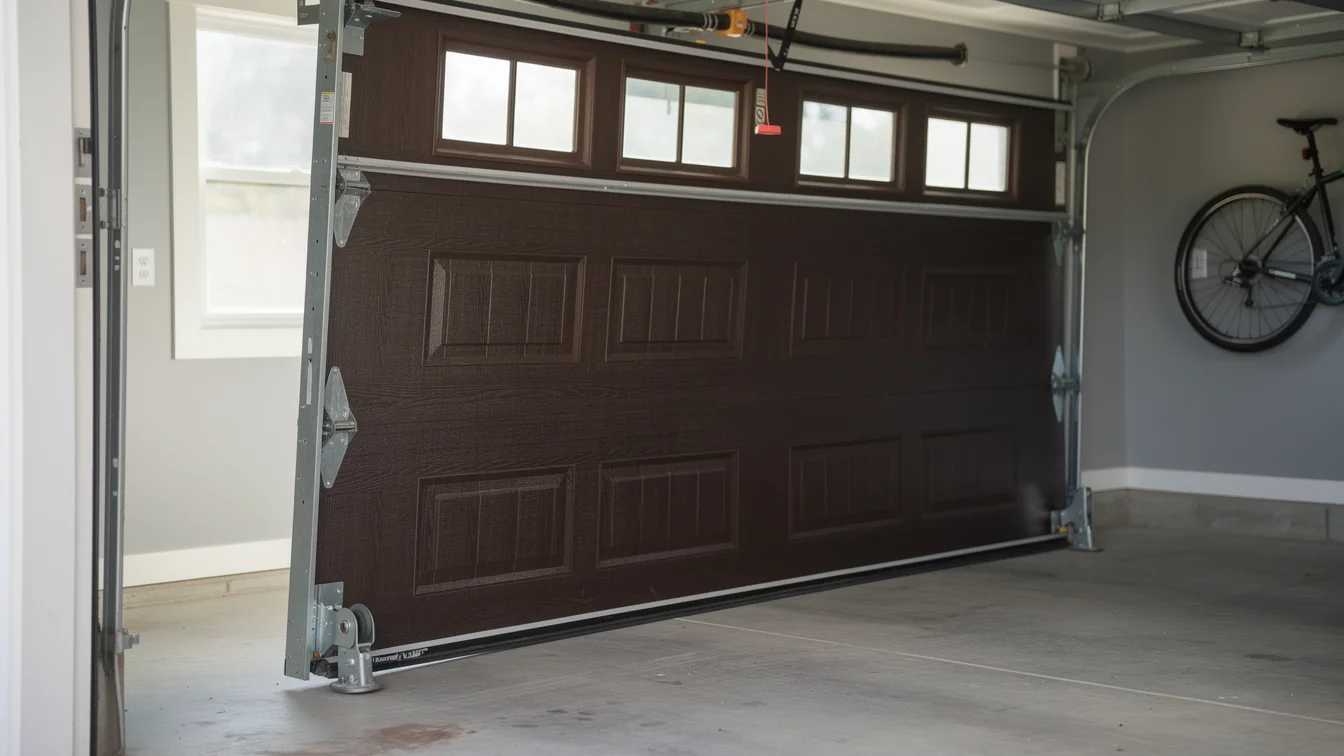
Shoreline homes built mostly 1965-2001 carry original torsion hardware.
Read more
Shoreline homes built mostly in the 1980s and 90s came before modern insulation codes, which changes how garage doors fail here and what fixing one takes.
Read moreReady when you are
Shoreline Garage Door Pros repairs and installs garage doors, springs and openers in Shoreline, WA and the surrounding area.