
Frames shift over winters
On a house built in 1965, that's sixty-plus winters of expansion and contraction on the original jamb lumber, which is part of why those frames are rarely still square.
Burien, Shoreline
Burien's homes date to 1965, two decades before the service area median. That means narrower openings and older steel panels when it's time to replace the door.
Watch-outs
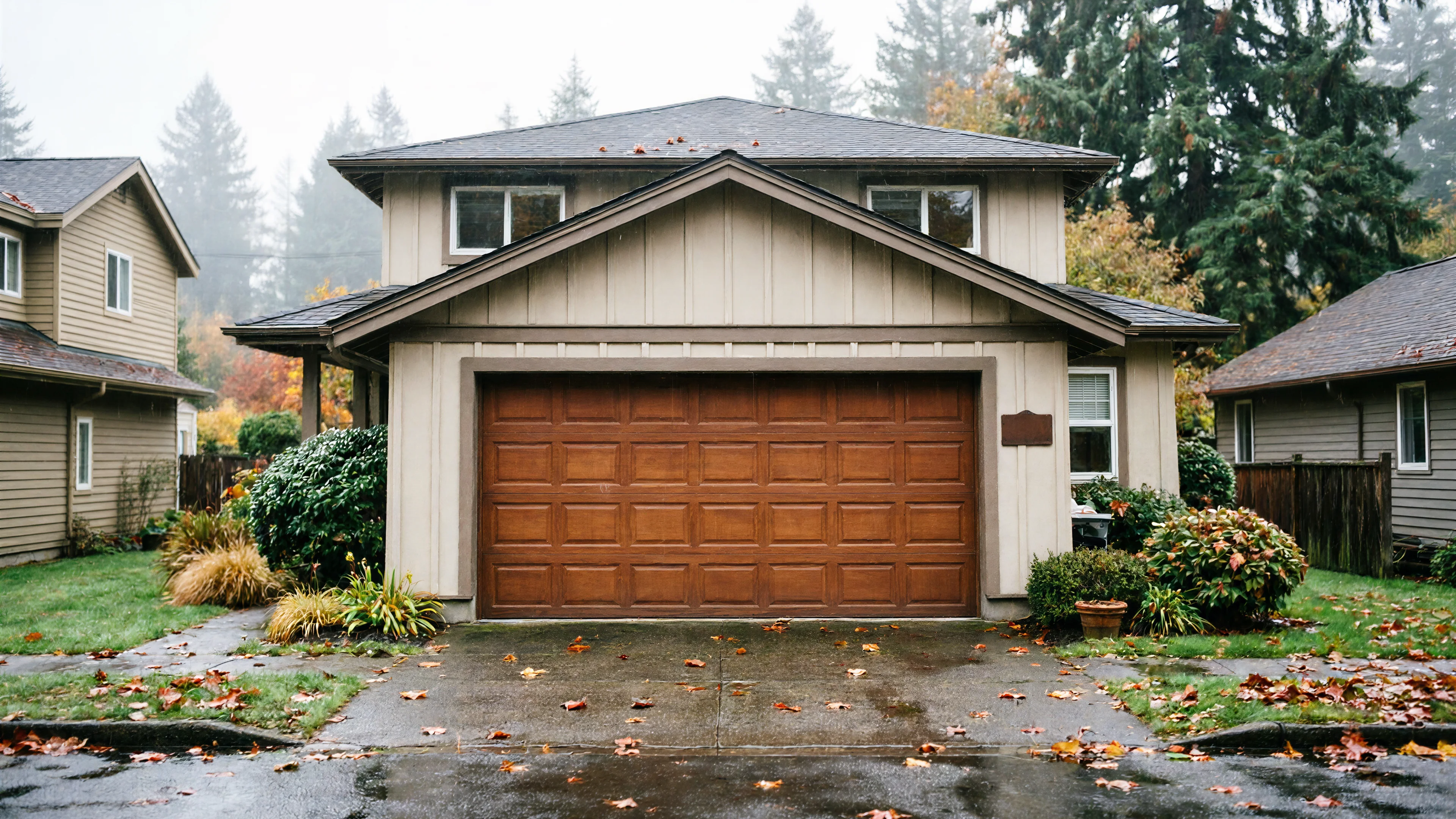
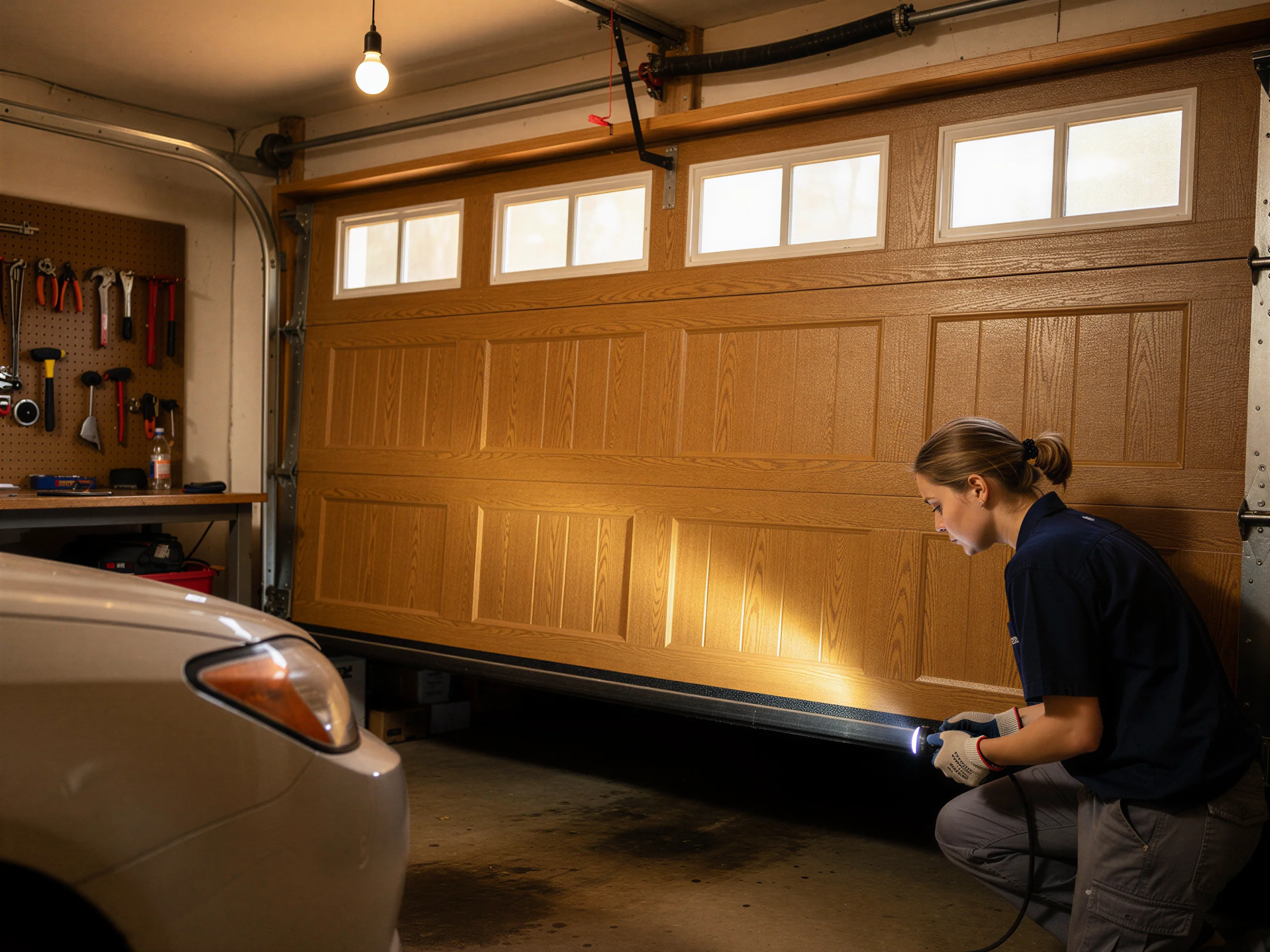
The number one problem on a 1965 opening is framing that's no longer square. Six decades of settling shifts jambs just enough that a new door, built to current tolerances, won't sit flush against an old header without shimming or trimming. The second issue is bracket spacing - openers and torsion hardware from that era were mounted on patterns that don't match new standard kits, so you're either adapting the new bracket or replacing more of the header than you planned. Neither of these shows up until the old door is already off the track, which is why a quote done from a photo alone tends to run short. We'd rather measure the opening in person before pricing it than hand you a number we have to revise once the saw's out.
Local causes
Burien sits in the same cold-moderate climate band as the rest of the territory we cover - not brutal winters, but enough freeze-thaw cycling through the season to work on wood and steel differently than a milder climate would.
On a house built in 1965, that's sixty-plus winters of expansion and contraction on the original jamb lumber, which is part of why those frames are rarely still square.
It also means any steel hardware left exposed - old hinges, original track brackets - has had decades to pit and corrode in a way that newer stock in the rest of the service area hasn't yet experienced. None of this is dramatic weather. It's slow, and it's the reason an installation here often turns into a frame repair first.
The repair
Serving Shoreline, WA
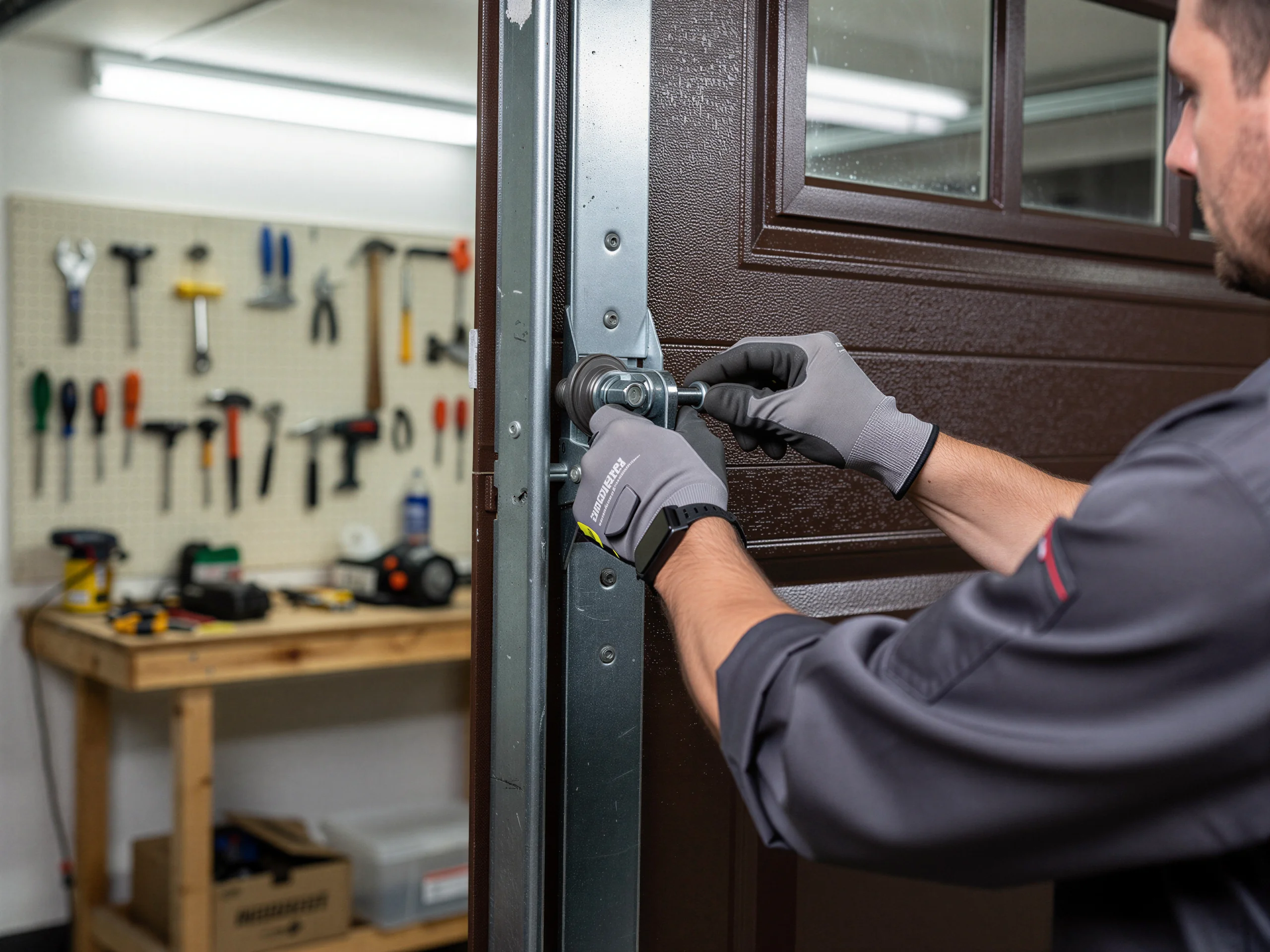
For a straight new door on a single-car opening, you're looking at the door itself, new track and rollers sized to the actual opening (not assumed from the home's age), and in most cases new torsion spring hardware rather than reusing the original - springs from 1965 aren't rated to current standards and the manufacturers don't stock replacement parts for that era anyway. If the jamb needs squaring, that's additional lumber and labor before the door ever goes in. One limitation worth saying plainly: if the opening is out of square by more than an inch or so, we'll tell you that framing work, not a fancier door, is what actually fixes the problem, and we'd rather say that up front than sell you a door that won't seal right against a crooked jamb.
Warning signs
Most garages in Burien went up around 1965, which puts the housing stock here nearly two decades ahead of the 1985 median we see across the rest of our territory.
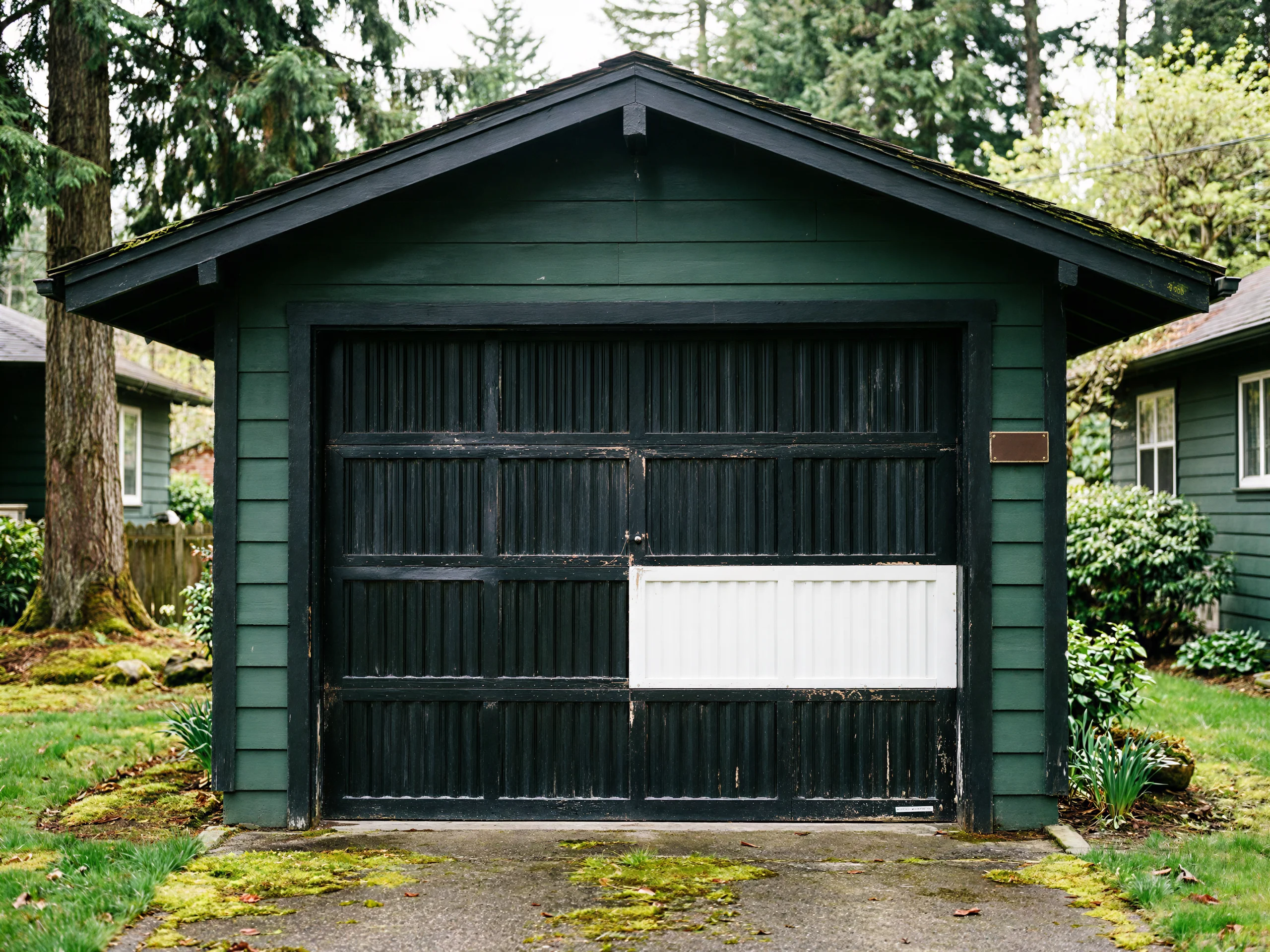
That matters because of what's actually hanging in the opening. A door from that period is almost always a single steel sectional panel, no insulation layer, sized for an 8-foot or 9-foot single-car bay rather than the 16-foot double openings that became standard once construction shifted toward the later 1980s stock elsewhere.
The panel seams on these older doors tend to be wider, the gauge of steel thinner, and the track set narrower than what you'd find on a door built even ten years later. When homeowners call about a new installation, it's rarely because the door failed outright.
It's because the original opener bracket, track width, or spring size doesn't match anything sold today, and patching an old system with new parts stops making sense. The door itself usually still swings; it's the hardware underneath it that's run out of road.
DIY or pro
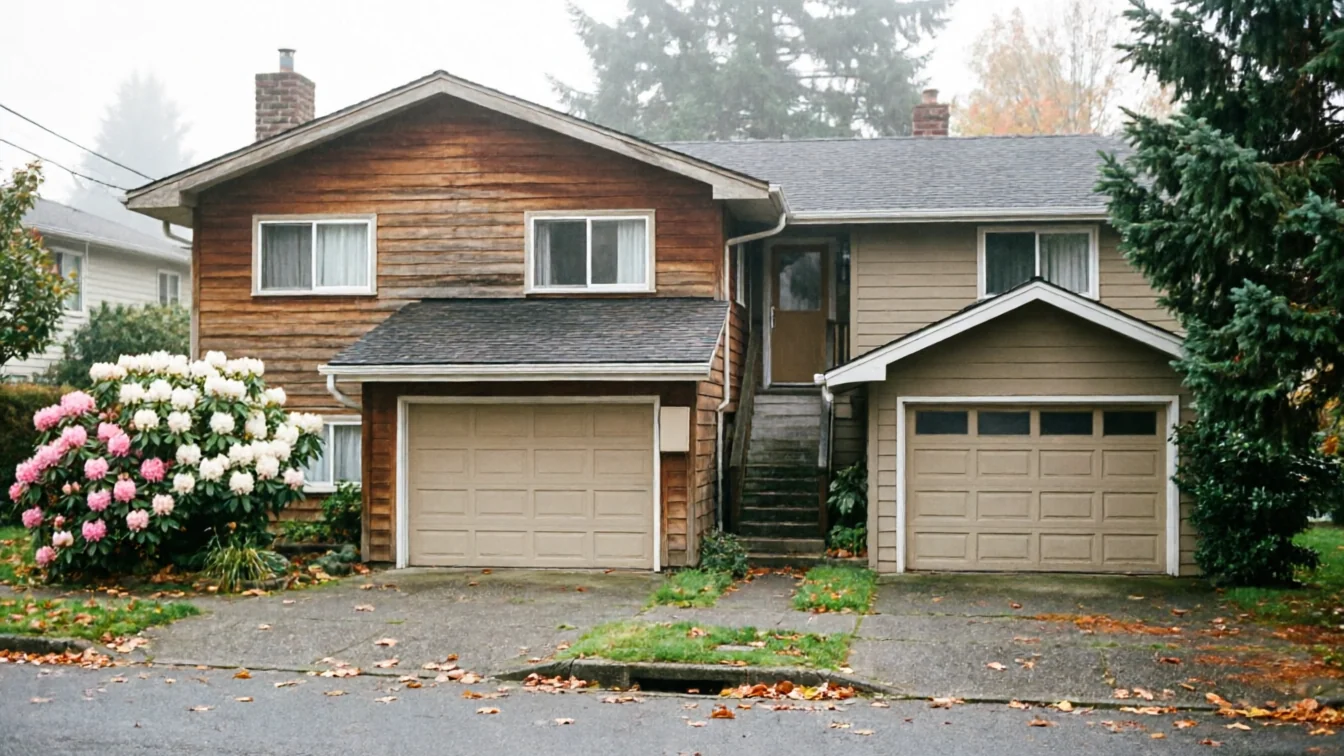
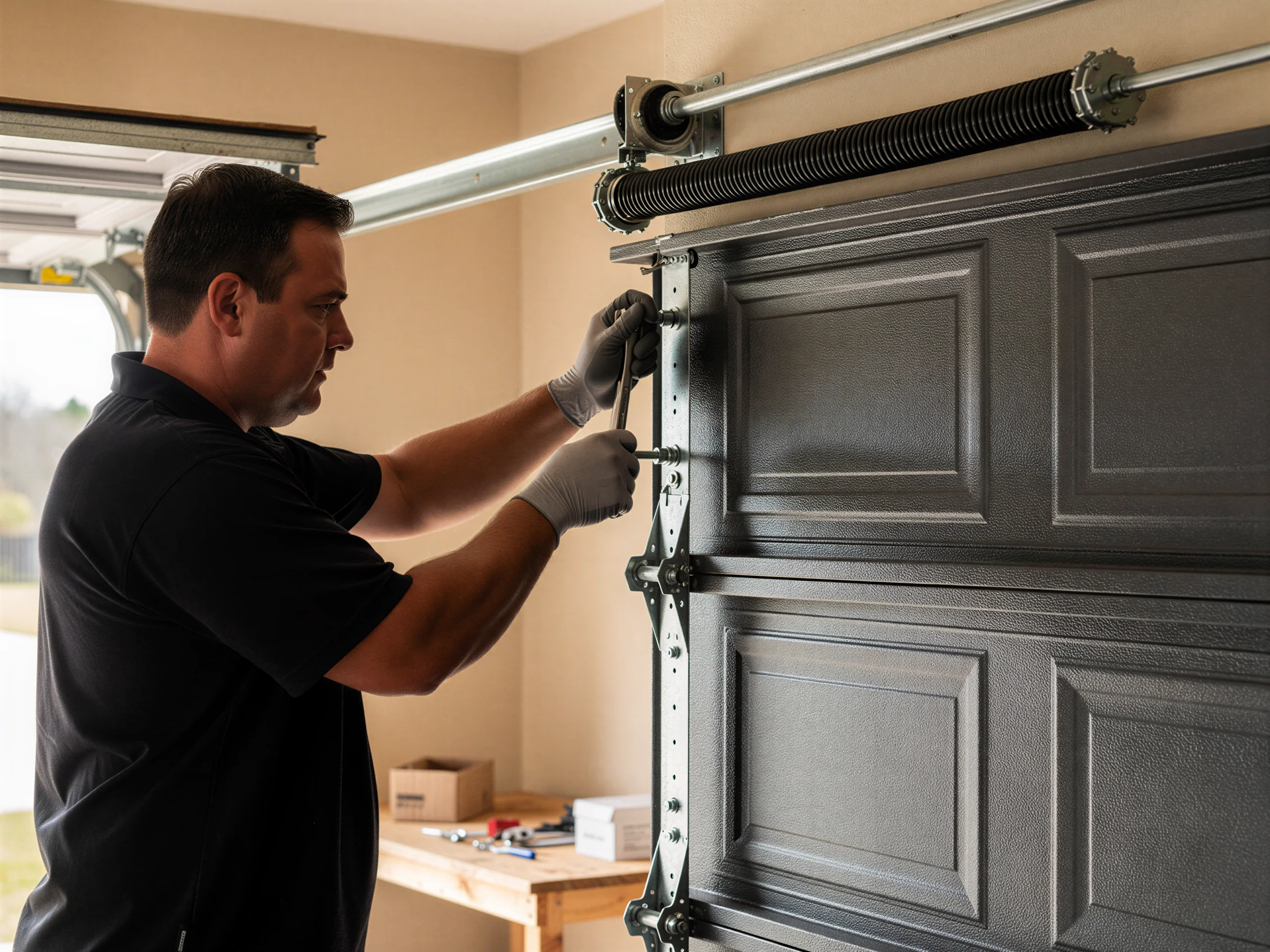
A single-car door on an older frame is lighter than a modern double, which tempts people into doing the swap themselves. You can handle the cosmetic parts - pulling old trim, painting jambs, hanging new weatherstrip. What you shouldn't touch yourself is the torsion spring and the track alignment on a 1965-era opening, because the jamb is rarely square after sixty years of settling, and a mis-tensioned spring on a narrow single-car door can still take a finger or worse. We won't pretend this is a two-person Saturday project just because the door is small. If you want to save money, do the demo and the paint, and let a trained installer set the spring, the track, and the opener bolt pattern. That's the one place where a mistake costs more than the labor you saved.
Job timing
A straight swap on a single-car opening, door and track only, generally runs a half-day once the old unit is out.
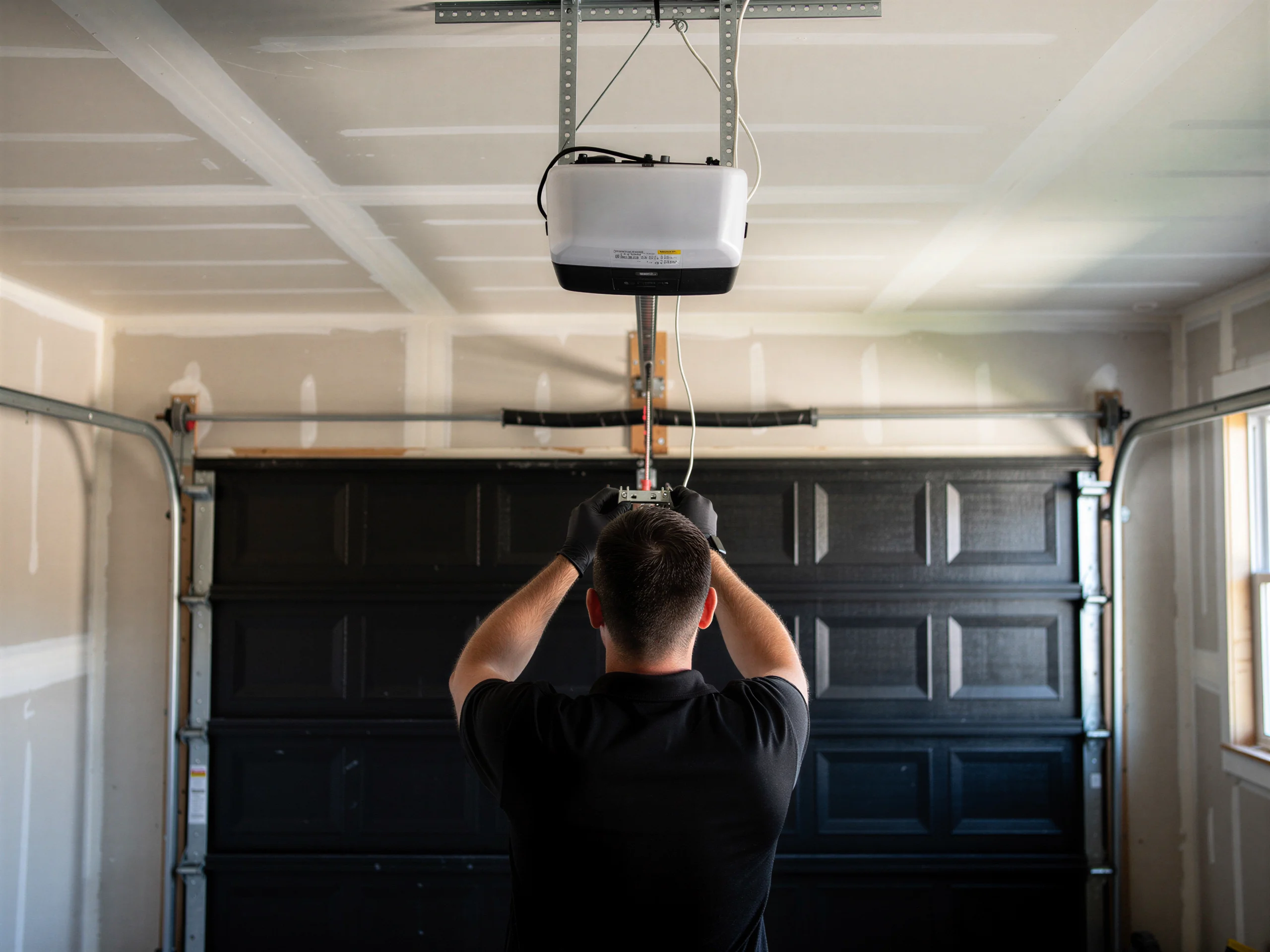
Add a new opener motor and you're looking at closer to a full day, mostly because the 1965 wiring and bracket points rarely line up with current hardware without some rework. We run this job from Shoreline, about 19 miles out, so scheduling is built around a route rather than a same-day drop-in - plan the appointment a few days ahead rather than expecting a same-morning call.
Once we're on site, though, the work itself doesn't take longer in Burien than anywhere else in the territory; it's the prep on an older frame that adds the extra hour or two, not the distance.
Questions
Sometimes, but not always. Many Burien garages built around 1965 have settled enough that the jamb is slightly out of square. We measure before quoting so you know whether it's a straight swap or whether the frame needs squaring first.
No. Torsion springs and brackets from that era aren't stocked by current manufacturers, which is usually the reason people replace rather than repair. A new installation uses current hardware sized to your actual opening.
About 19 miles. We still run the job, but because of the distance we schedule ahead rather than offering same-day visits - plan on booking a few days out.
Generally yes, since there's less door and less track, but on an older Burien opening the framing prep can add time regardless of door width. The size of the door isn't always what drives the cost.
Explore more
Ready when you are
Shoreline Garage Door Pros repairs and installs garage doors, springs and openers in Shoreline, WA and the surrounding area.