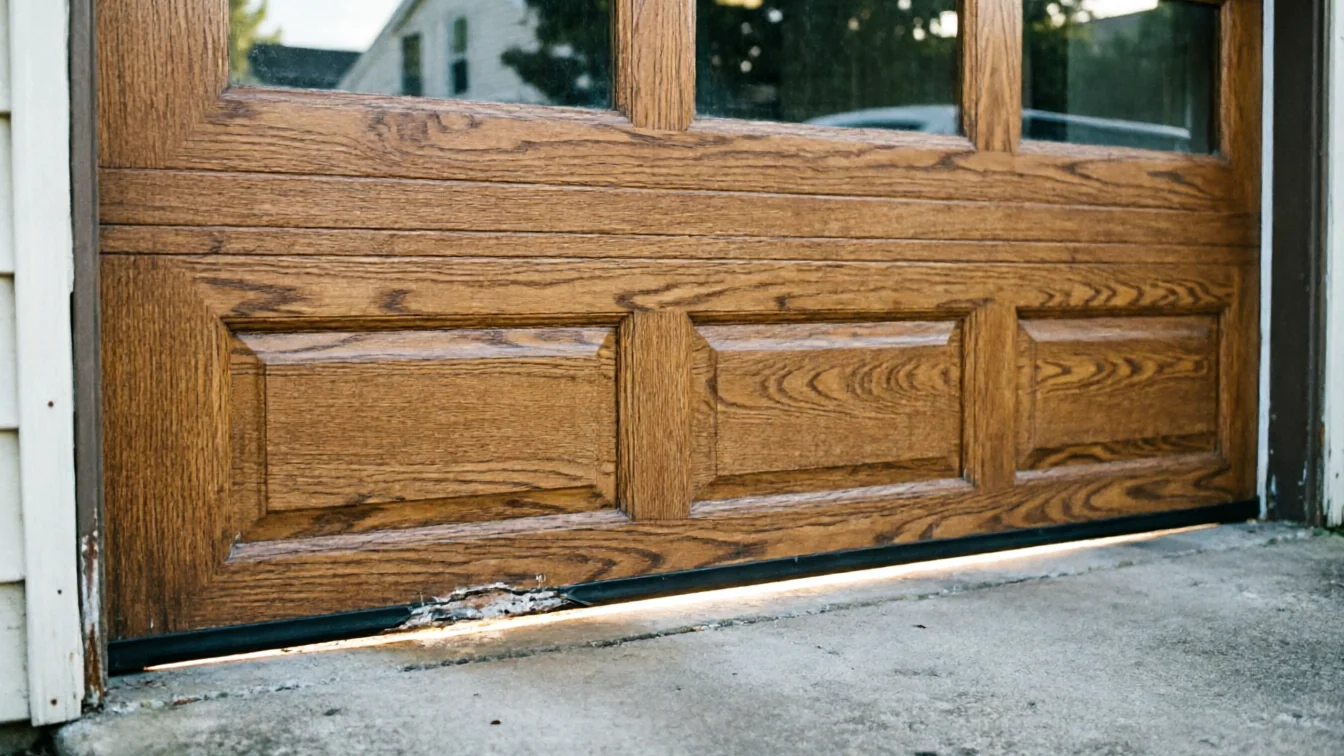
Why Garage Door Seals Fail Fast in Shoreline's Older Homes
Shoreline's 1965-2001 housing stock means original seals rarely survive our cold, wet winters.
Read moreShoreline homes built mostly 1965-2001 face a specific spring problem when cold weather hits. Here's what to check first, and when it's time to call a pro.
Local detail
Start with the spring, not the opener. Most houses in Shoreline and the surrounding areas went up between 1965 and 2001, with the median build year landing around 1985, which means the torsion spring over your door is very likely original equipment or a first-generation replacement. Torsion springs are rated in cycles, not years, and a 35-to-55-year-old spring has usually seen more open-and-close cycles than it was built for, even on a door that's never given you trouble.
Look at the spring itself before you touch anything else. A gap in the coils, rust bridging between windings, or a visible kink near the winding cone are all signs the spring is near the end, not the start, of a failure. Check the bottom brackets and the cables too - on doors from that 1980s-90s construction wave, the galvanized coating on cables has often started to flake, which is a separate problem from the spring but tends to show up around the same age.
Don't force the door if it feels heavy or uneven when you lift it by hand with the opener disconnected. That heaviness is the spring telling you it's lost tension, and pushing through it with the opener motor just accelerates the next failure.
The area
Shoreline sits in a cold-moderate climate band. It's not the kind of place that deals with deep-freeze ice storms, but the area gets enough cold mornings each year that steel loses some flex, and a torsion spring is nothing but coiled spring steel under constant load. Cold metal is more brittle metal. A spring that's been quietly fatiguing for a couple of decades can hold on through mild weather and then let go on the one cold snap that pushes it past its limit.
This matters more here than it would in a climate that stays warm year-round, and it matters less than it would somewhere with hard winters, because Shoreline's cold is moderate rather than extreme. The failures we see tend to cluster on the first genuinely cold stretch of the season, after the spring has spent months losing a little strength at a time in milder temperatures.
Humidity plays a role too. Garages in this area aren't usually heated or fully sealed, so moisture sits on cold metal overnight and speeds up the same rust process that's already working on an older spring's coils. None of this is dramatic weather. It's slow, and the spring fails quietly until the morning it doesn't move at all.
What we find
Put the housing age and the climate together and you get a specific, predictable failure pattern. A spring installed when a Shoreline-area house was built in the 1980s or 90s is now old enough to be near or past end of life, and it's sitting in a climate that adds extra stress on the coldest days of the year. That combination is why spring failures in this area tend to show up in clusters during the first hard cold snap, rather than spreading evenly across the calendar.
It isn't unique to any one of the 41 named communities that make up this service area - a house in Lake Forest Park or Mountlake Terrace built in that same window carries the same risk as one in the middle of Shoreline. What's consistent is the era of construction, not the street.
The practical result is that a door that's worked fine for years can fail with no warning on a 35-degree morning, because the spring was already most of the way to failure and the cold just supplied the last push. It's not a sign you did anything wrong. It's a sign the spring has reached the point where age and temperature finally met.
How we work
A spring under tension is not a weekend project, and we'll say that plainly: we don't recommend homeowners replace a torsion spring themselves, regardless of how many videos make it look simple. The amount of stored energy in a wound torsion spring is enough to cause serious injury, and on an older system where the cable, drums, or bearing plate may also be worn, a DIY spring swap can turn into a bigger repair than the one you started with.
What you can safely do yourself is the inspection - look, listen, check the balance by hand with the opener disconnected - and then call once you've found a problem. If the spring has visible gaps, rust through the coils, or the door won't stay up on its own, that's the point to stop and bring in someone who does this daily.
One honest limit on our end: if a door is old enough that the spring, cables, and rollers are all failing at once, replacing just the spring sometimes isn't worth it. At that point we'll tell you straight whether a full hardware replacement makes more sense than patching one part of a system that's aging out together.
Questions
Spring steel gets more brittle as it cools, and a spring that's already fatigued from years of cycles is more likely to snap on the first genuinely cold day of the season. Most Shoreline homes are from the 1965-2001 era, so a lot of springs are old enough that cold weather is just the final stress, not the root cause.
It's about cycles more than calendar years, but on a house built in the 1980s or 90s with an original spring, age alone is a reason to get it inspected. Visible rust, gaps between coils, or a door that feels heavy when lifted by hand are the signs to act on, regardless of the exact year.
We don't recommend it. A wound torsion spring holds enough stored energy to cause serious injury if it releases wrong, and on an older door the cables or bearing plate may also need attention. It's one of the few garage door jobs where the DIY risk outweighs the cost savings.
Yes, we cover Shoreline and nearby areas including Lake Forest Park, Mountlake Terrace, Edmonds, Kenmore, Haller Lake, Broadview, and North Seattle, among the other communities in this service area.
Recommendation
More garage door guides for Shoreline homeowners.
Shoreline's 1965-2001 housing stock means original seals rarely survive our cold, wet winters.
Read more
In Shoreline, most garage doors date to the 1965-2001 building boom and face cold, wet Pacific Northwest winters.
Read more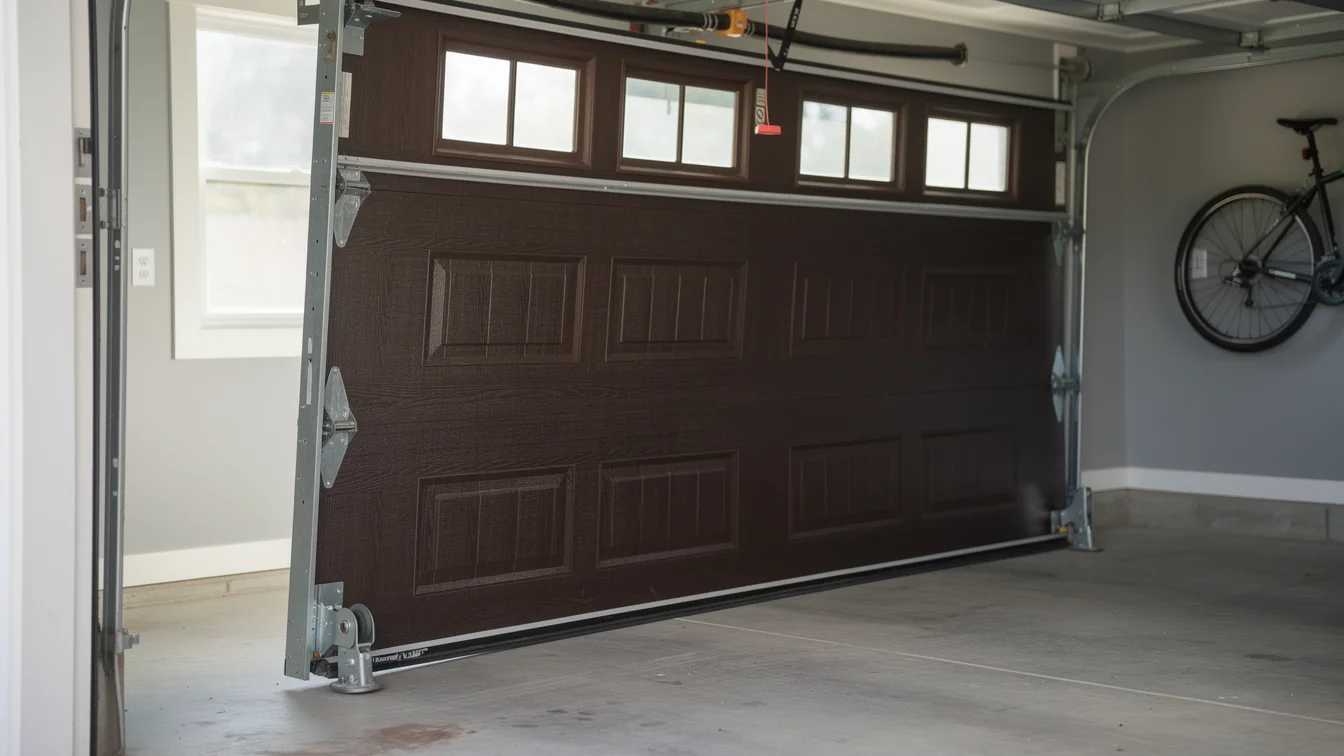
Shoreline homes built mostly 1965-2001 carry original torsion hardware.
Read moreReady when you are
Shoreline Garage Door Pros repairs and installs garage doors, springs and openers in Shoreline, WA and the surrounding area.