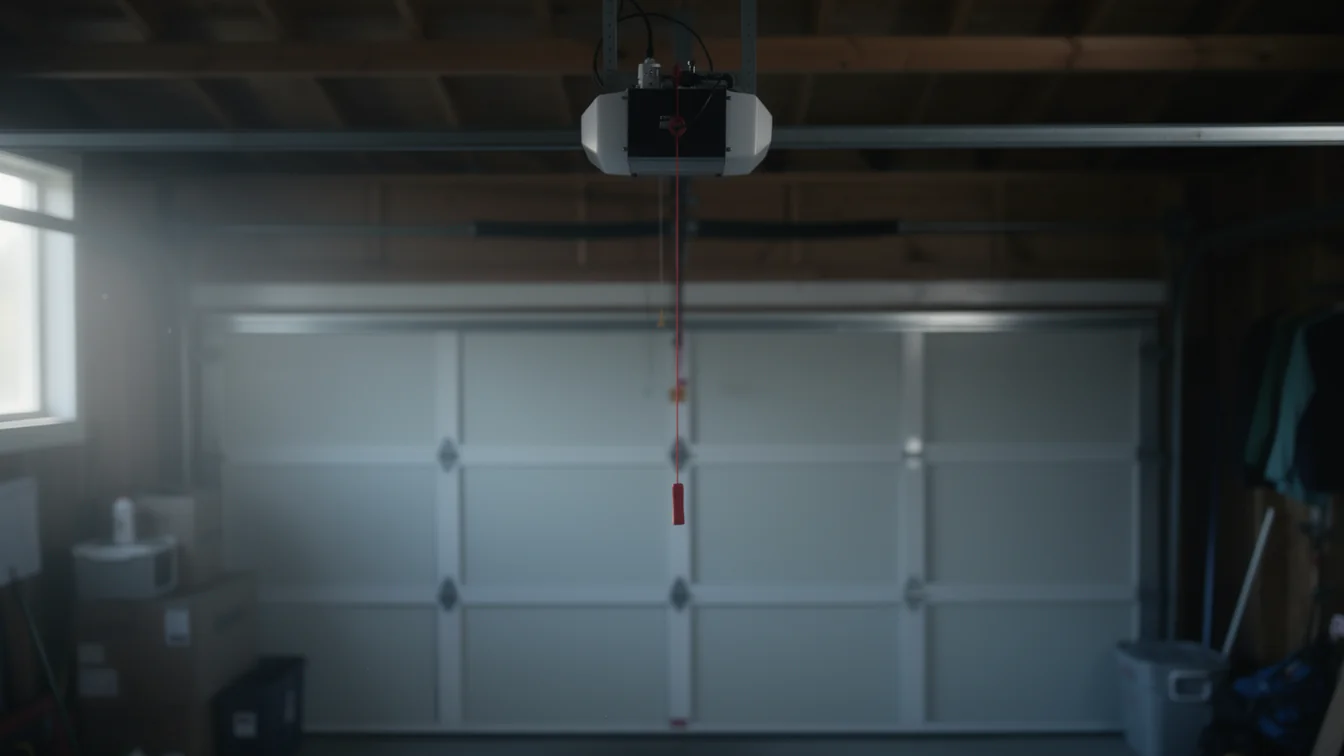
What Happens to Your Opener When the Power Goes Out in Shoreline
A look at how Shoreline's 1965-2001 housing stock and cold, damp winters affect garage door openers during power cuts, and when a stuck door calls for a pro.
Read moreA breakdown of what a real inspection covers on Shoreline's 1965-2001 housing stock, from original hardware to moisture damage from the marine climate.
Local detail
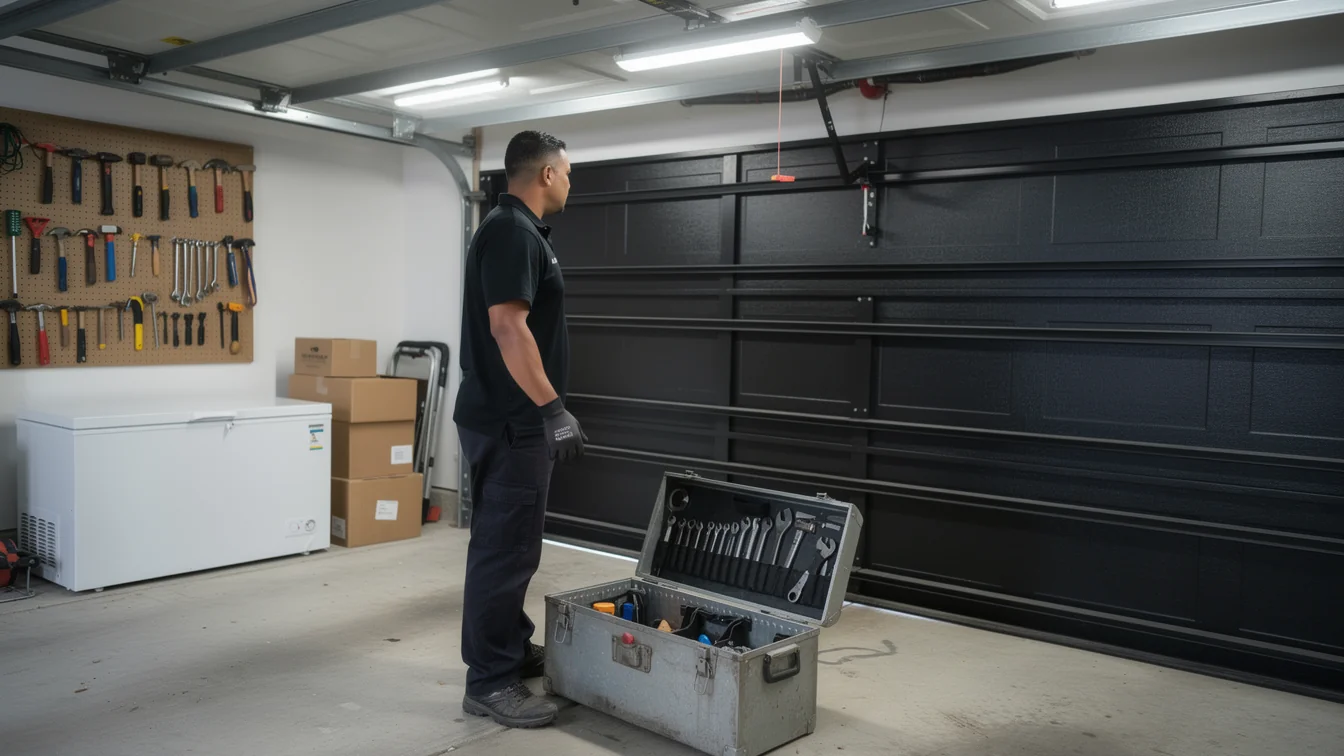
Most of the houses we work on in Shoreline went up between 1965 and 2001, with the bulk clustered around the mid-1980s. That matters because a door installed when a house was built is often still wearing its original torsion spring, original steel track, and in a lot of cases the original garage door opener chain drive. We start by checking the spring winding cones for rust bloom and flat spots, since a 35-to-40-year-old spring has usually gone through more wind-up and release cycles than its rated lifespan allows. Next we look at the track brackets bolted into the jamb - on houses from this era the jamb framing is often original lumber, and we check for play where lag screws have worked loose over decades of door travel. We also check panel seams on steel doors from the 1980s and 90s, since the galvanized coating from that period doesn't hold up the same way newer coatings do. None of this is guesswork - it's where the wear actually shows up first on housing stock this age, and it's the first thing we look at before touching anything else.
The area
Shoreline sits in a cold-moderate climate band, which in practice means fewer hard freezes than you'd get further inland but a lot more sustained dampness. That damp is harder on garage door hardware than cold snaps are. Steel track and spring coils here corrode from the inside of the coil out, which is why a spring can look fine from the outside and still fail without warning. Condensation inside an unheated garage also gets into the opener's circuit board and gearbox over time, which is a slower failure than a spring snap but just as disruptive. We don't see the kind of ice-dam or deep-freeze damage you'd get in a harsher climate zone, so we're not spending the call checking for frozen tracks or cracked concrete from frost heave. What we are checking for is rust creep on hardware that's been sitting in a consistently humid garage for 20 to 40 years, which is the dominant failure mode around here.
What we find
Put the housing age and the climate together and you get a specific, predictable failure pattern. A torsion spring installed when a 1985-built house was new is now well past its cycle life, and the dampness has been working on the coil the whole time, so when it lets go it tends to let go suddenly rather than gradually. Original steel tracks from that era were often a lighter gauge than what gets installed today, and years of moisture exposure plus minor jamb settling means alignment drifts slowly enough that a homeowner doesn't notice until the door starts binding or the opener strains on every cycle. We see this pattern across the service area, not as an occasional outlier but as the default condition on a door that's never had the spring or track hardware replaced since the house was built. It's not a sign anything was installed wrong. It's just what 35-plus years of cycles in a damp climate does to steel.
How we work
Checking the cones for rust and listening for a grinding opener is fine to do yourself. Replacing a torsion spring on a door this age is not - a spring wound for a door built in the 1980s is under real tension, and if the winding bars slip or the cone is more corroded than it looks, it can let go hard enough to break a hand or worse. Same goes for track realignment once the jamb has settled: you can tighten a visible lag bolt, but resetting a bent track or a bracket that's pulled loose from old framing takes leverage and the right fasteners for lumber that's decades old, not hardware-store anchors. We'll also say plainly that we don't stock every original part for doors this old - some panel and track profiles from the 1980s and 90s aren't made anymore, and a repair sometimes means sourcing a close match or recommending replacement instead of chasing an exact one. If a spring's corroded through the coil or a track bracket has pulled out of rotted jamb wood, that's the point to call rather than keep working at it.
Questions
On houses built in the 1965-2001 range, which covers most of Shoreline, the original spring is often still in place decades later. Our damp climate corrodes the coil from the inside, so a spring can look intact right up until it isn't. It's less about age alone and more about moisture working on steel for 30-plus years.
The cold-moderate climate here means fewer deep freezes but a lot more sustained dampness than drier regions get. That humidity drives rust on springs, tracks, and opener hardware faster than cold alone would. We check for corrosion first on service calls here rather than frost or ice damage.
Not always. Some panel and track profiles made in the 1980s and 90s aren't produced anymore, which is common on houses this age across the area. In those cases we'll tell you straight whether a close-match repair makes sense or whether replacement is the better call.
Recommendation
More garage door guides for Shoreline homeowners.
A look at how Shoreline's 1965-2001 housing stock and cold, damp winters affect garage door openers during power cuts, and when a stuck door calls for a pro.
Read more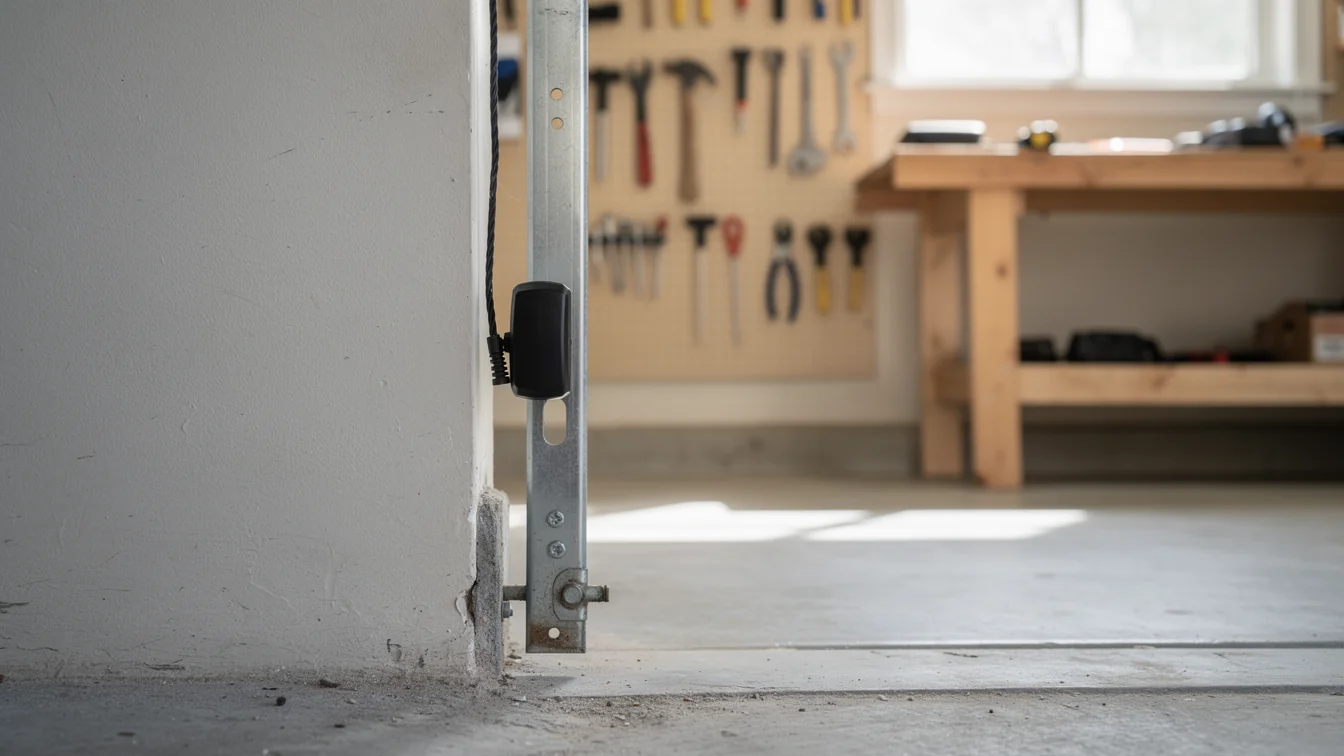
Shoreline homes built mostly 1965-2001 still run original sensor brackets.
Read more
Shoreline's 1965-2001 housing stock means original seals rarely survive our cold, wet winters.
Read moreReady when you are
Shoreline Garage Door Pros repairs and installs garage doors, springs and openers in Shoreline, WA and the surrounding area.