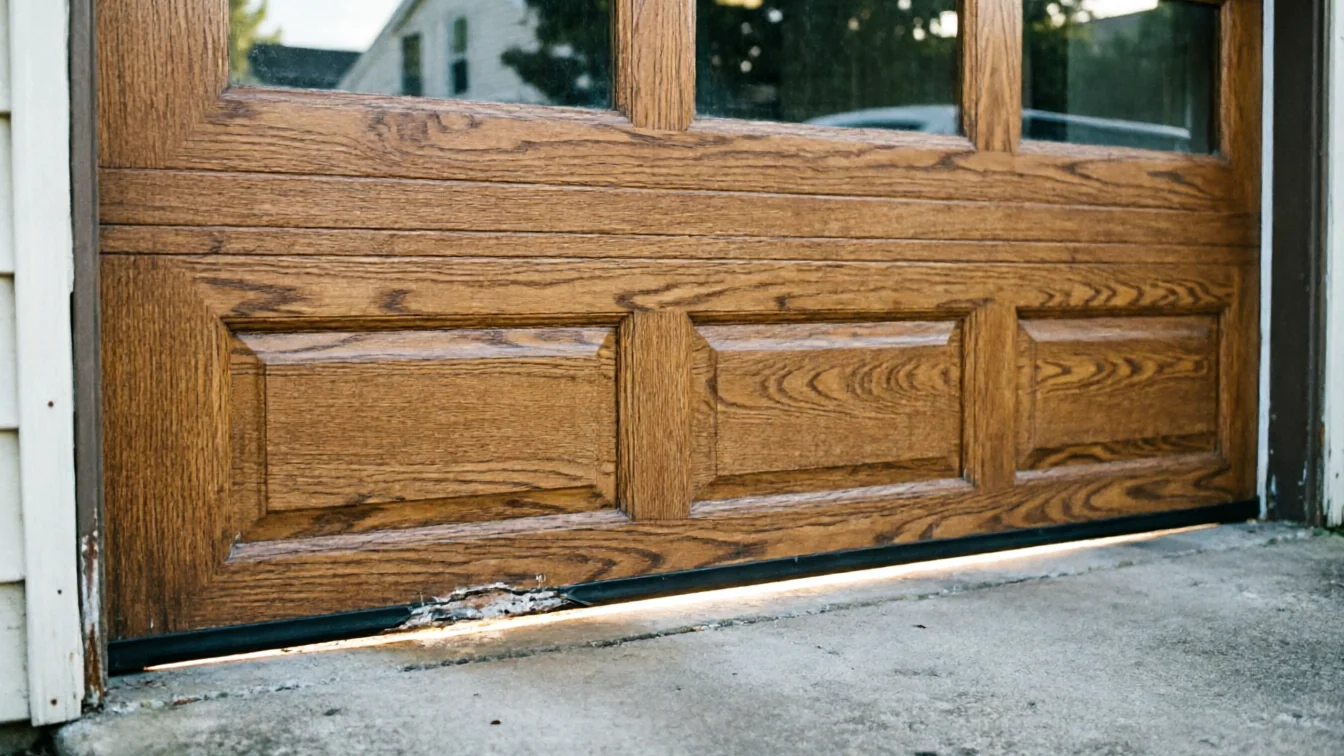
Why Garage Door Seals Fail Fast in Shoreline's Older Homes
Shoreline's 1965-2001 housing stock means original seals rarely survive our cold, wet winters.
Read moreShoreline homes built mostly in the 1980s and 90s came before modern insulation codes, which changes how garage doors fail here and what fixing one takes.
Local detail
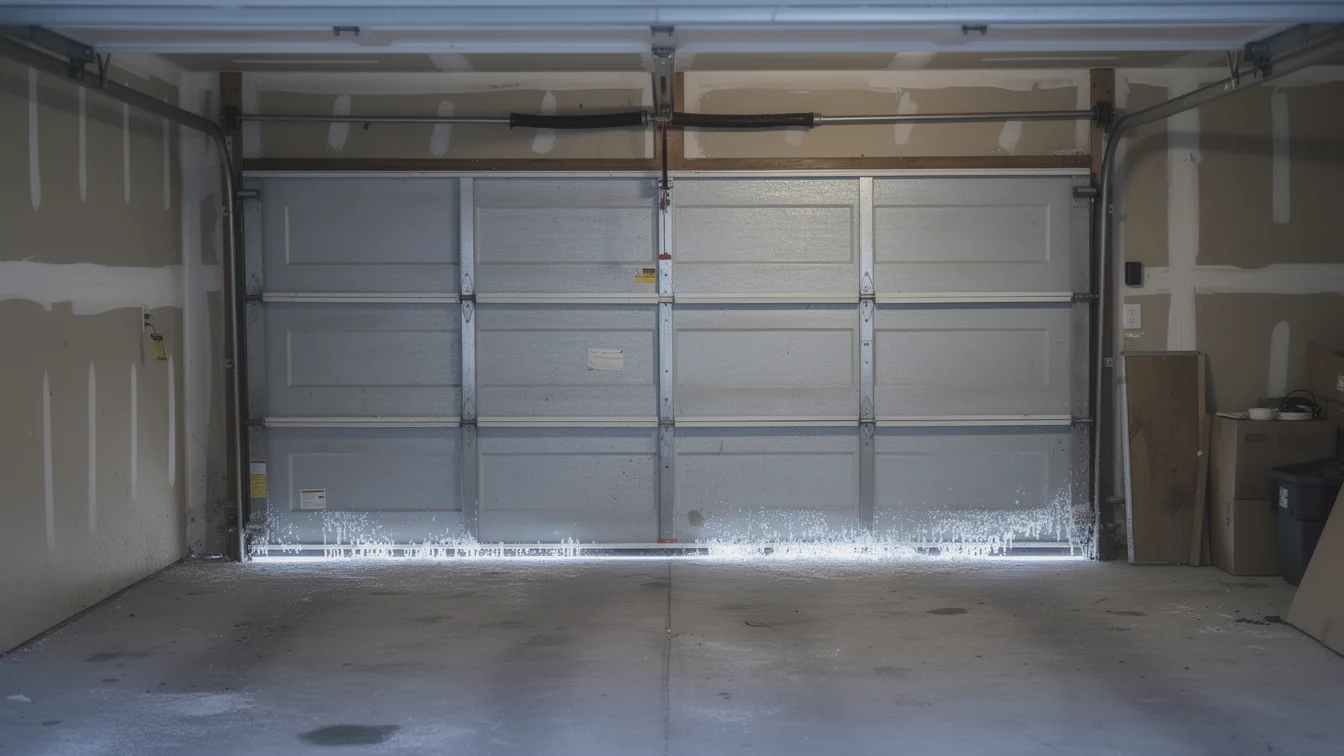
Before you call anyone, open the garage and look at the inside face of the door panel. If you own a house in Shoreline, there's a good chance it was built somewhere between 1965 and 2001, with the median landing around 1985. That matters because garage doors installed in that window are almost always a single layer of steel with no insulation core - the codes that require a foam layer between two skins came later. Check for: a flat, cool-to-the-touch panel with no visible backing (that's your uninsulated door); rust streaks at the bottom corners where condensation collects; and a thin foam or vinyl strip at the bottom that's cracked or missing. None of this is urgent on its own. But if you're planning a repair, the age of the door changes what parts fit and what the fix actually costs, so it's worth knowing before you start.
The area
Shoreline sits in a cold-moderate climate band - not the deep freeze you get further inland, but enough swing between a cold night and a warmer afternoon that an uninsulated steel door sweats on the inside. That condensation runs down the panel and pools at the bottom track, which is where you start seeing rust on rollers and the bottom fixture bolts. Houses near Lake Forest Park, Mountlake Terrace, and Edmonds sit in the same build era and see the same pattern, because the climate doesn't change much over a few miles and the housing stock doesn't either. What's different door to door is how much the garage gets used as a workshop or laundry space - heat and moisture from inside the house pushes the same condensation problem from the other direction. A door with no insulation can't buffer either side, so it just transfers whatever temperature difference exists straight through the steel, year after year, until something at the bottom gives.
What we find
The problem isn't that these doors are old - plenty of 1985 steel doors still run fine. It's that the panel was never built to handle moisture cycling, and over enough winters that shows up as rust at the hinge points, pitting on the track rail, and a spring that's working harder than it should because the door itself has gotten slightly heavier from trapped condensation in the lower panels. Across the wider service area - 202,623 households, 103,888 of them owner-occupied - this same panel shows up again and again because the stock is concentrated in that 1965-to-2001 build window. At a median household income of $118,077, most owners here have the option to replace with an insulated door rather than patch the old one, and for a door this far into its life, that's usually the better math. Patching a rusted-through panel bottom costs real labor and still leaves you with steel that sweats. Replacing the section, or the whole door, stops the cycle instead of slowing it down.
How we work
Swapping a bottom weatherstrip or hosing rust off a roller is fine to do yourself. Replacing a torsion spring on one of these older doors is not - the spring is under enough tension to break a bone, and on a door this age you often can't tell how much life is left in it just by looking. There's also a parts problem: panel sections made for doors from the 1980s and 90s aren't always stocked anymore, so a single damaged panel sometimes forces a full door swap instead of a patch, even when you'd rather just fix the one spot. That's a real limitation and worth knowing before you start pulling panels apart - sometimes the honest answer is that a partial repair isn't available for your specific door, and a full replacement is the only path that gets you back to a door that seals and balances right.
Questions
Probably not. Insulation requirements for garage doors came after most of Shoreline's housing was built - the median year here is around 1985 - so the original door is almost always a single uninsulated steel panel unless someone replaced it since.
Shoreline's cold-moderate climate means enough temperature swing between night and day that an uninsulated steel panel condenses on the inside. That moisture runs to the bottom track and causes the rust you see on rollers and fixtures over time.
Sometimes, but not always. Panel sections for doors from the 1980s and 90s aren't all still made, so if yours isn't in stock, a full door replacement may be the only real option.
For a door built in that 1965-2001 window, usually yes. It stops the condensation-and-rust cycle instead of just slowing it, and at the area's median income, most owners treat it as a planned cost rather than a financed one.
Recommendation
More garage door guides for Shoreline homeowners.
Shoreline's 1965-2001 housing stock means original seals rarely survive our cold, wet winters.
Read more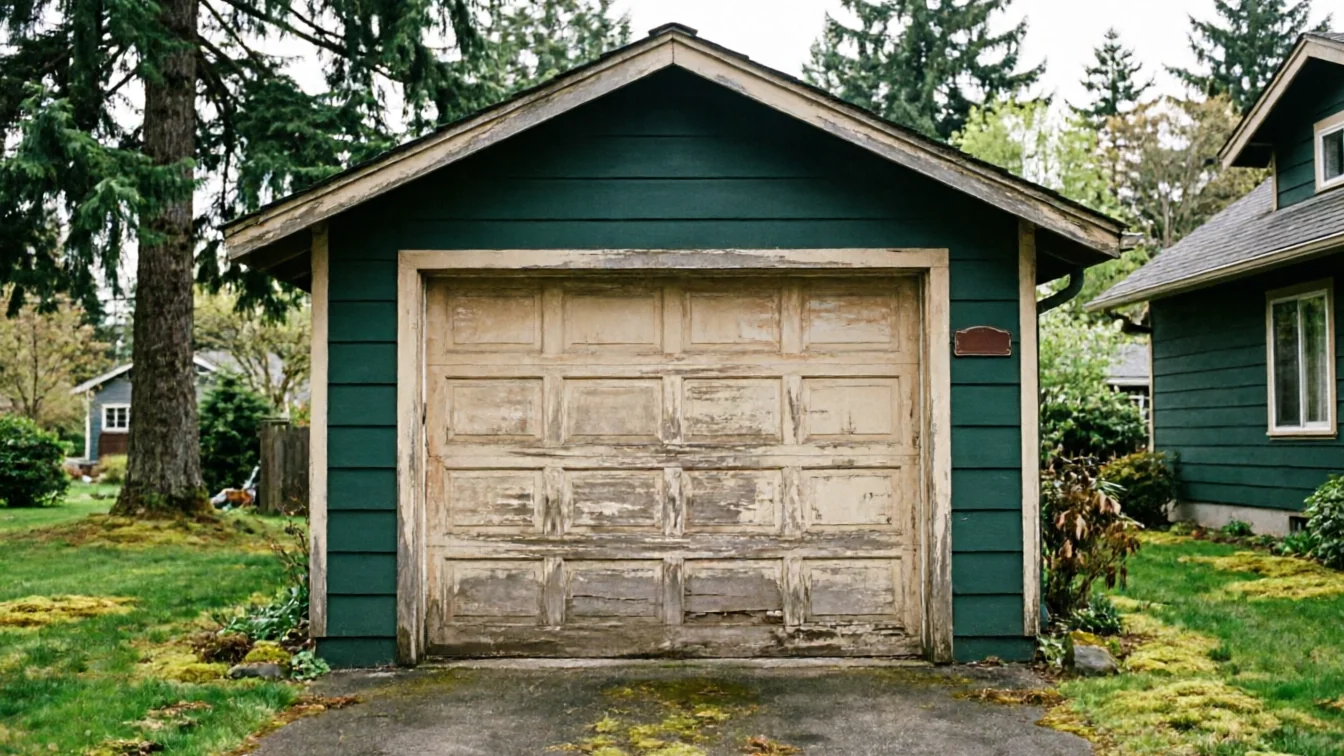
Shoreline homes built mostly between 1965 and 2001 carry original hardware past its service life.
Read more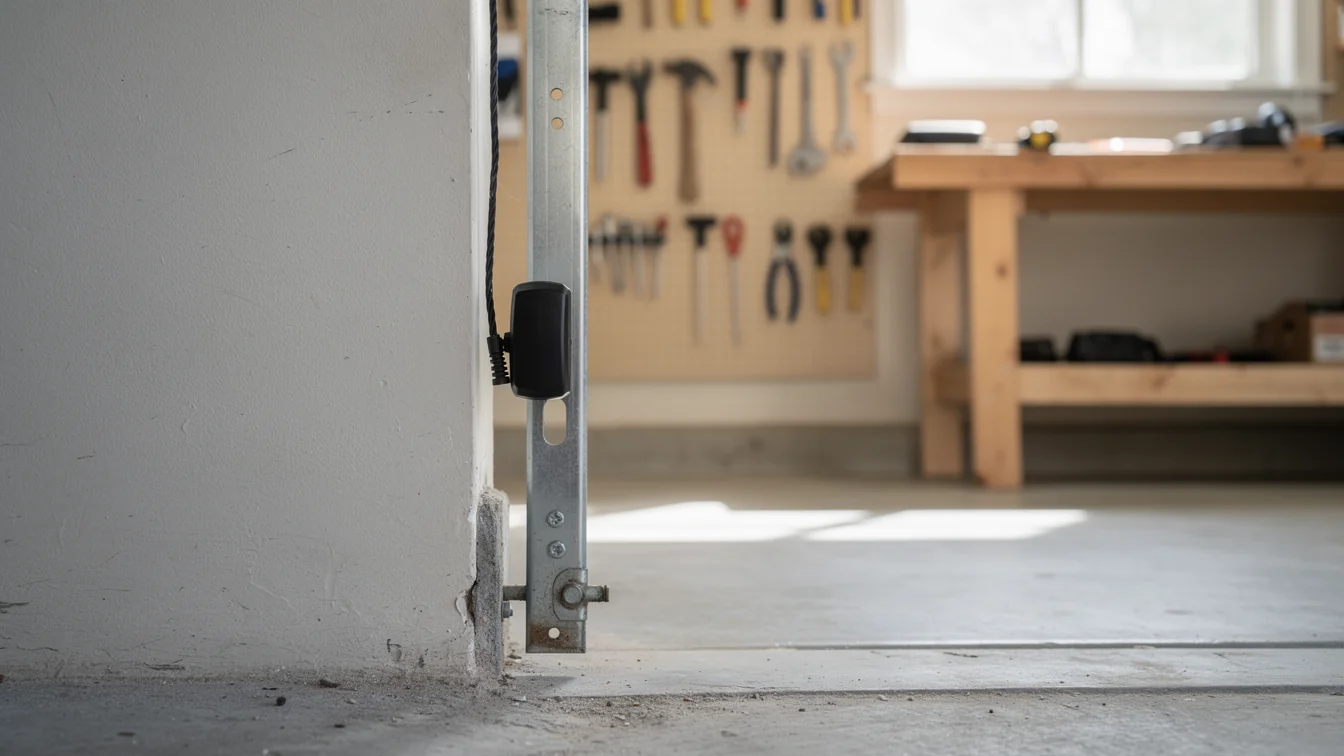
Shoreline homes built mostly 1965-2001 still run original sensor brackets.
Read moreReady when you are
Shoreline Garage Door Pros repairs and installs garage doors, springs and openers in Shoreline, WA and the surrounding area.