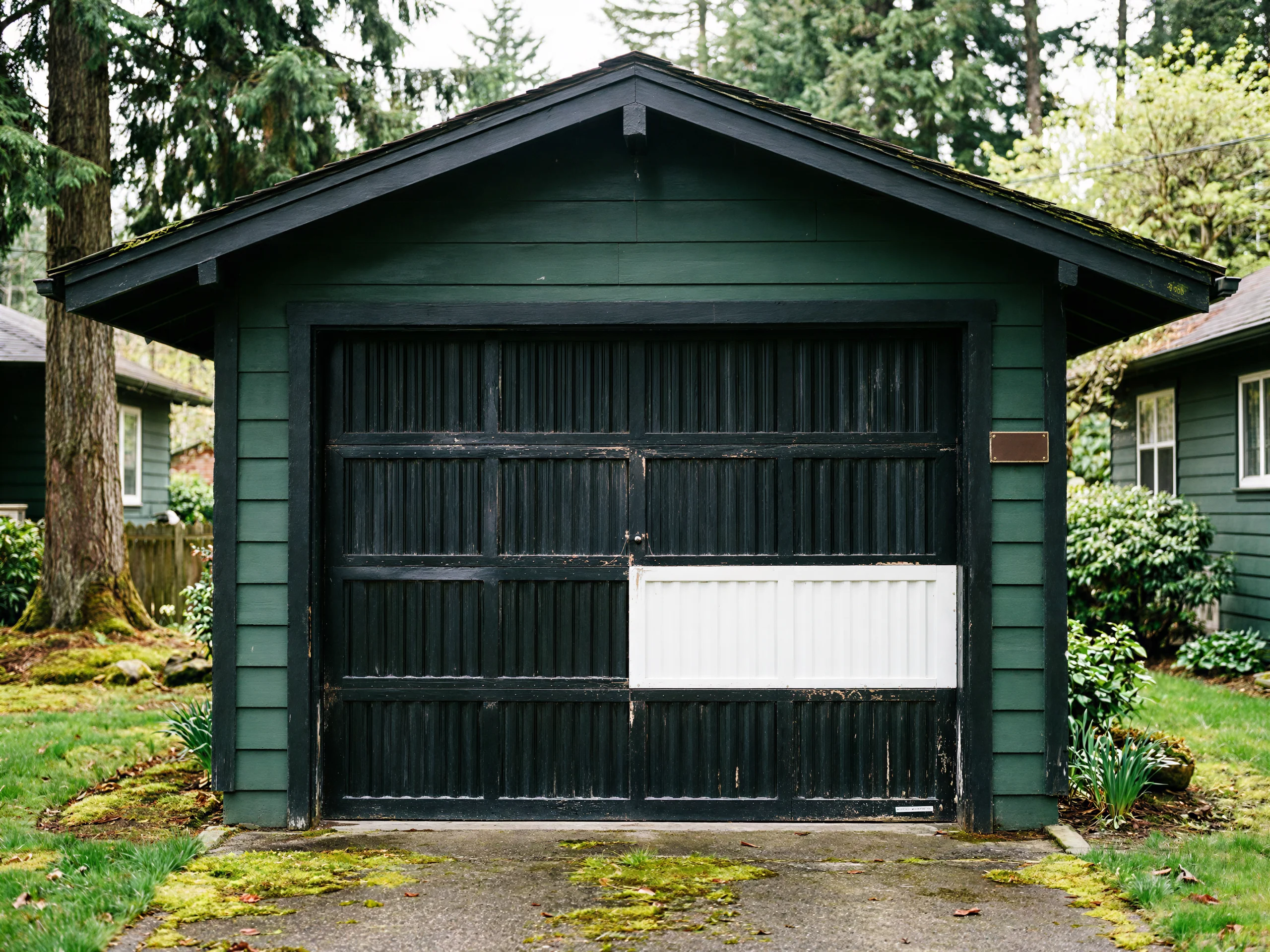
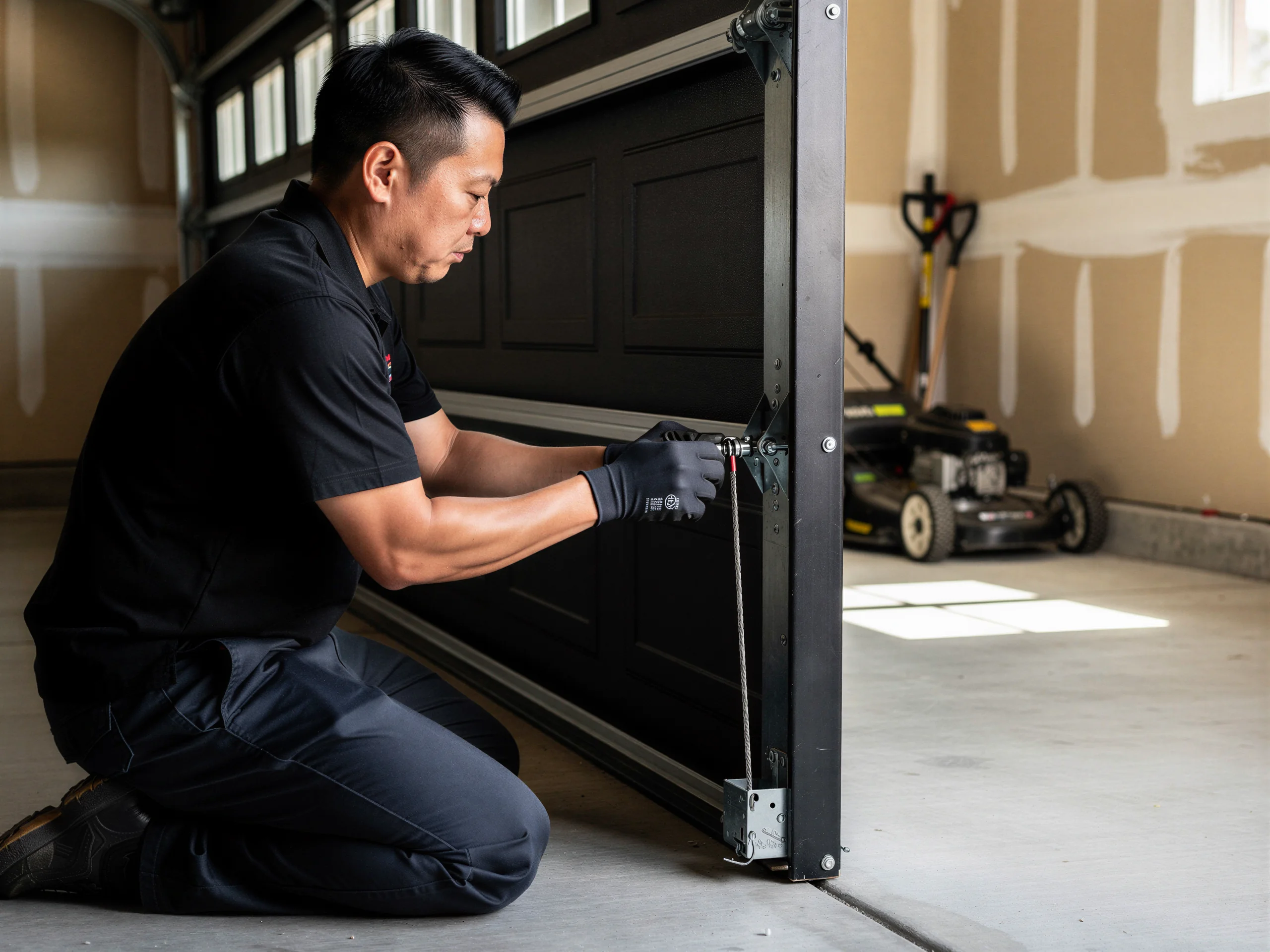
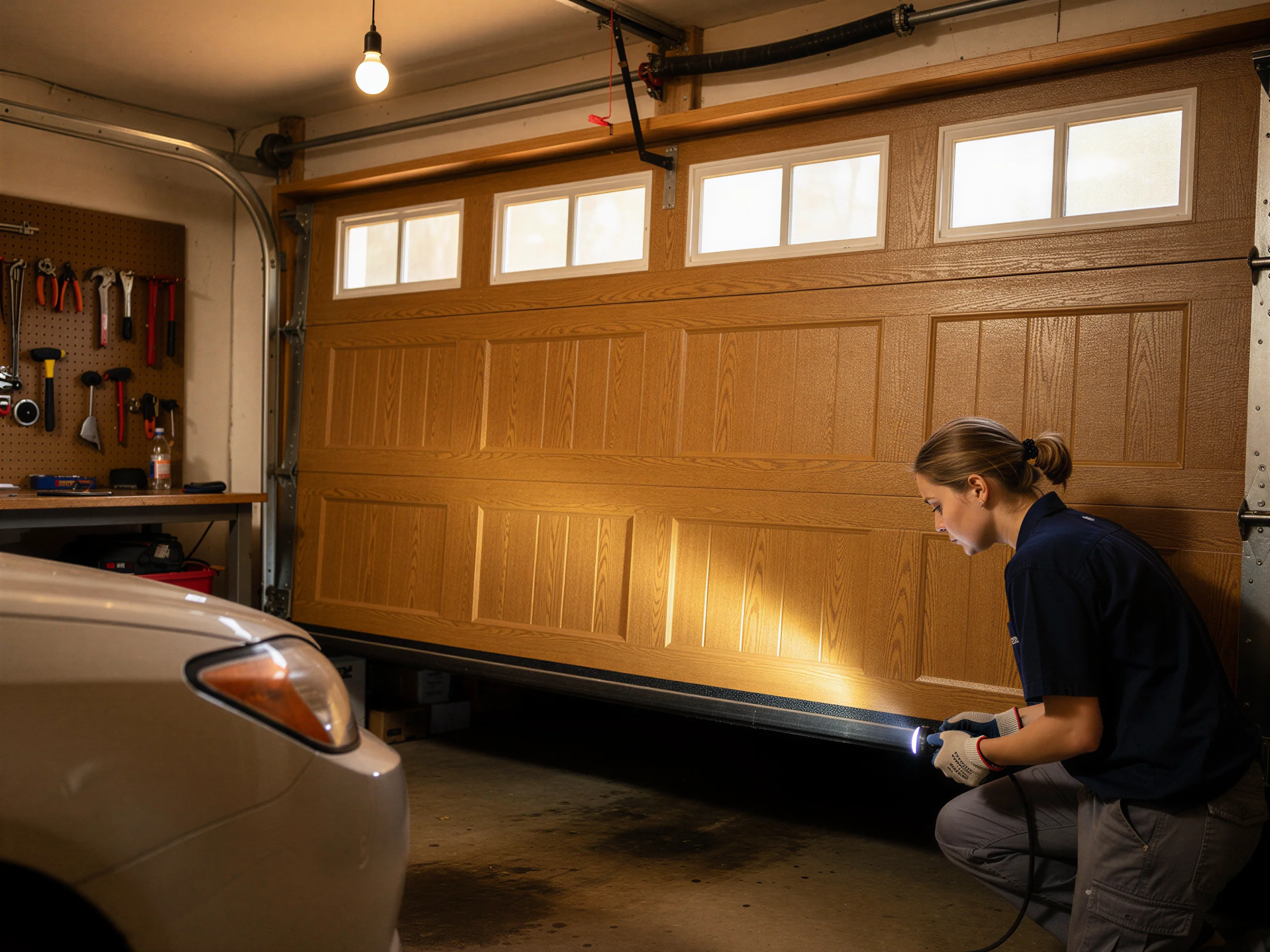
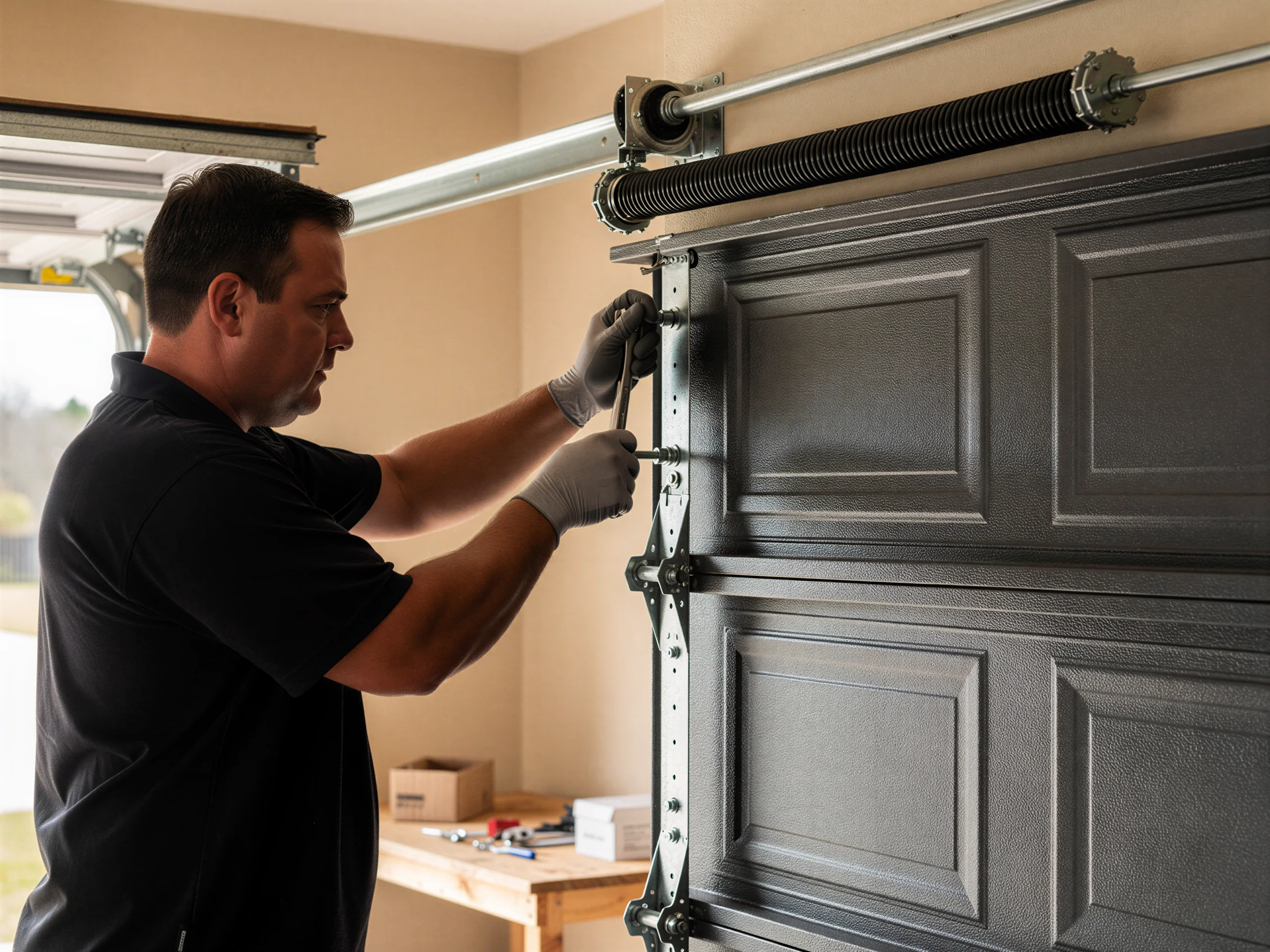
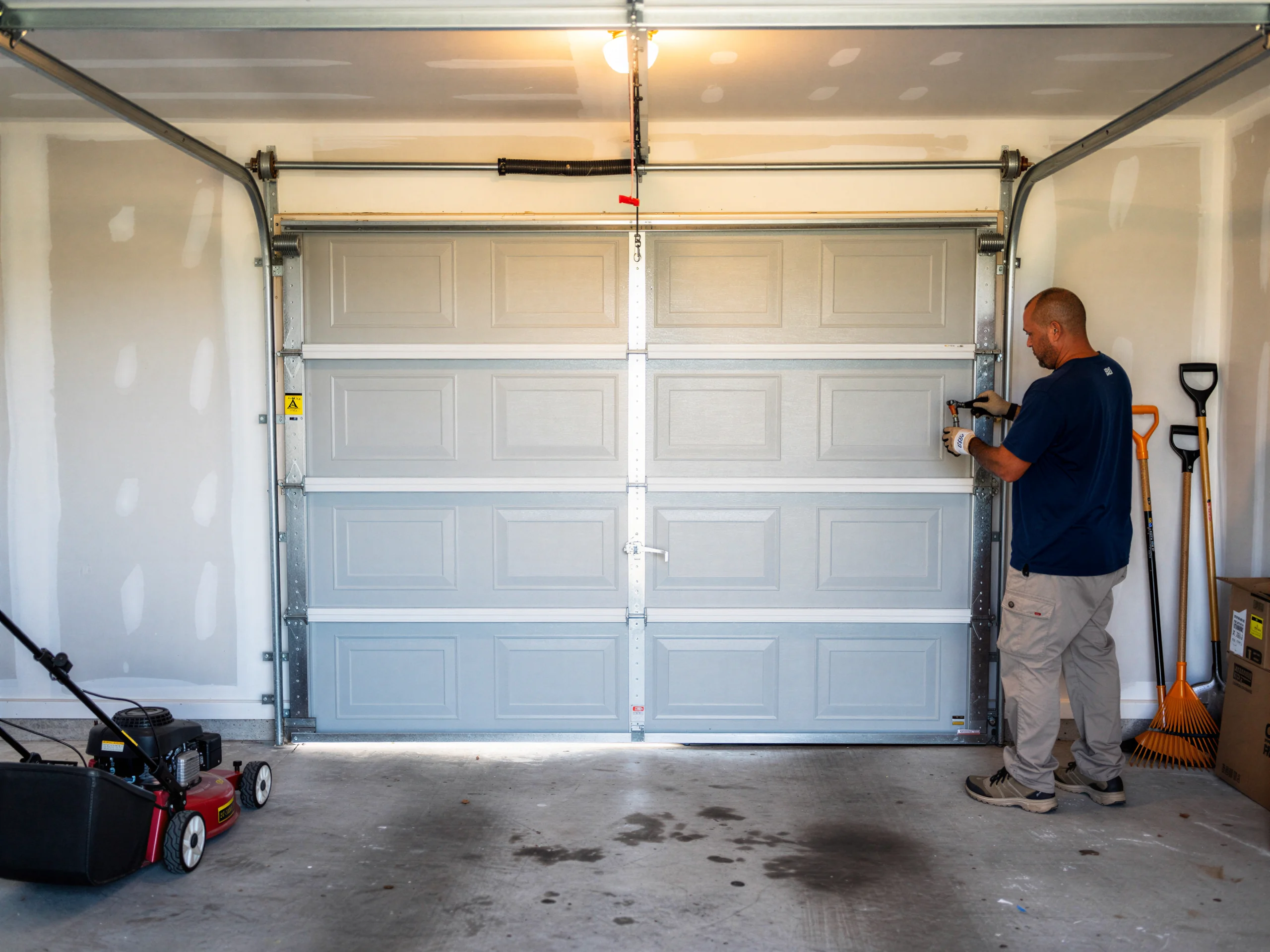
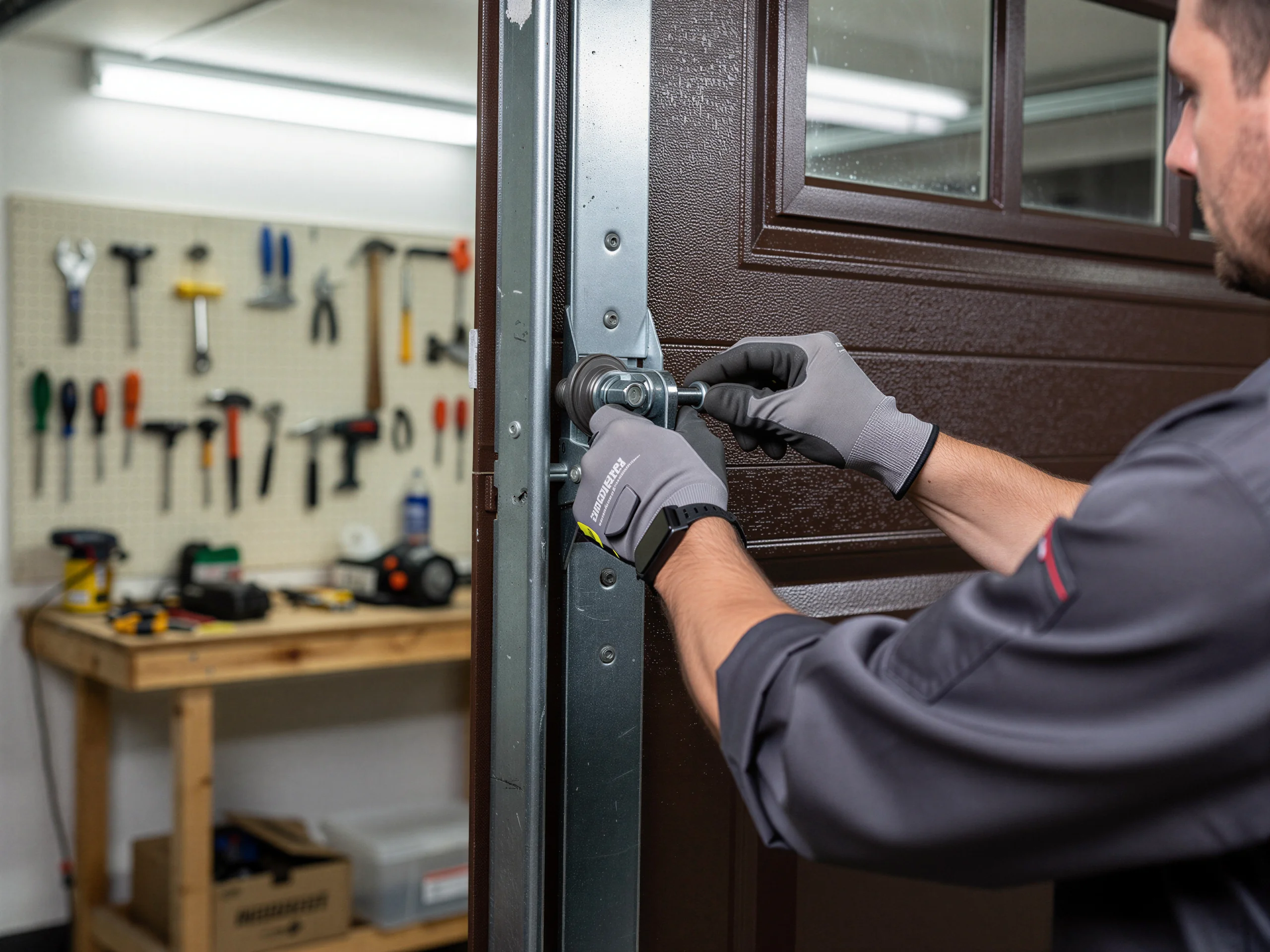
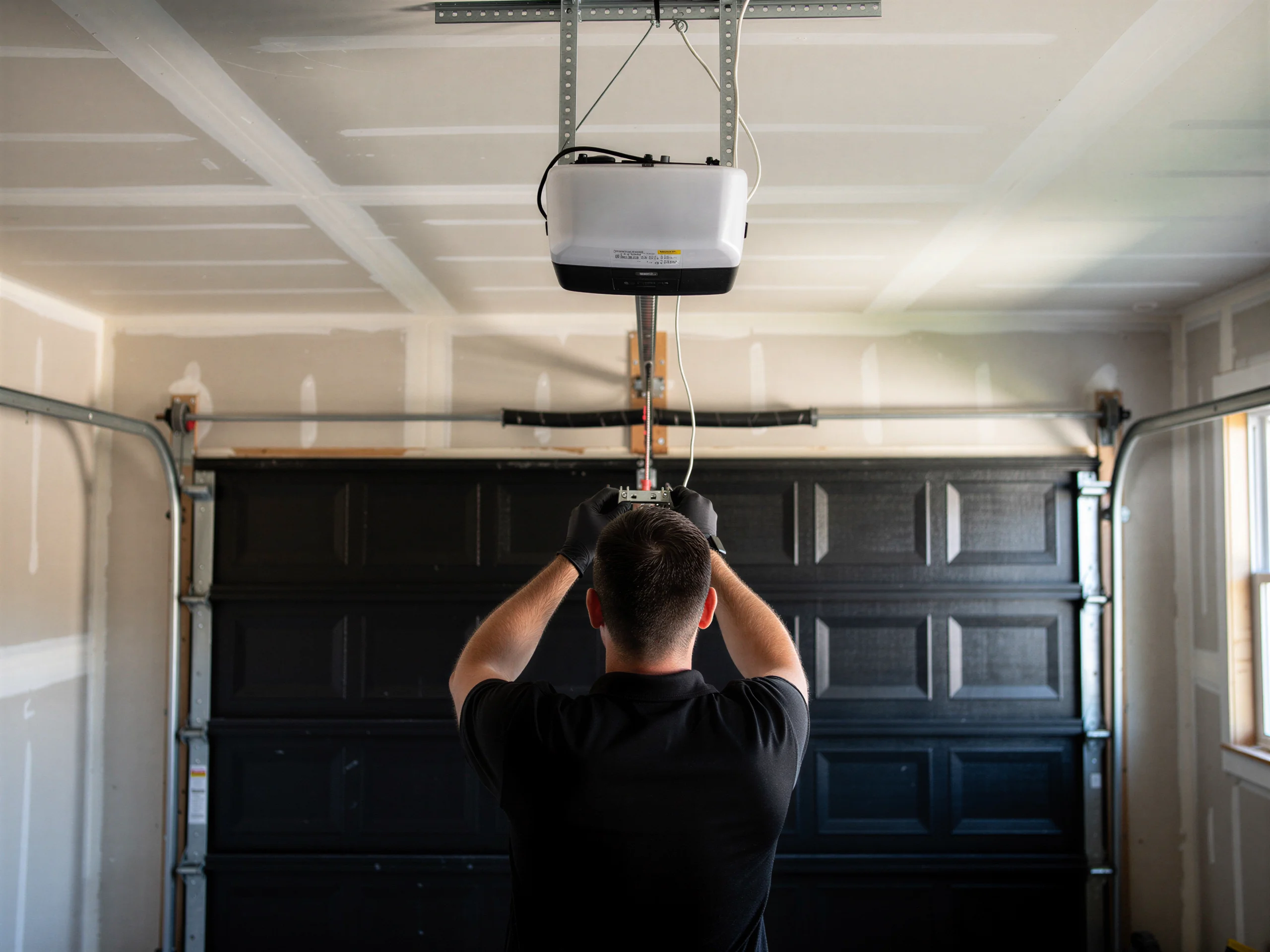
The job starts with pulling the damaged panel section and checking what it's bolted to. On a door from the 1984 era, the panel hardware is often steel-on-steel, no plastic bushings, and it's held up fine for forty years - but the fasteners can be seized, and the track alignment has usually drifted a few degrees from decades of thermal cycling in this cold-moderate climate. We torque down the new panel to hardware that's still square, or we replace the hinge and roller run alongside it if the old steel is bent or pitted. A single-panel swap on a sound door is usually a same-visit job. Where it slows down is matching the panel itself: a 40-year-old door section isn't a stock item, and if the manufacturer discontinued that profile, we're sourcing a close match rather than an exact one, which can mean a visible seam between old and new sections. We'll tell you straight if that's the case before we order anything, rather than let you find out on install day.