Maintenance page rundown
Use the Woodway coverage page to see how we handle this specific area, or check the Shoreline garage door maintenance page if you want the full rundown of what a maintenance visit includes across the service area.
Woodway, Shoreline
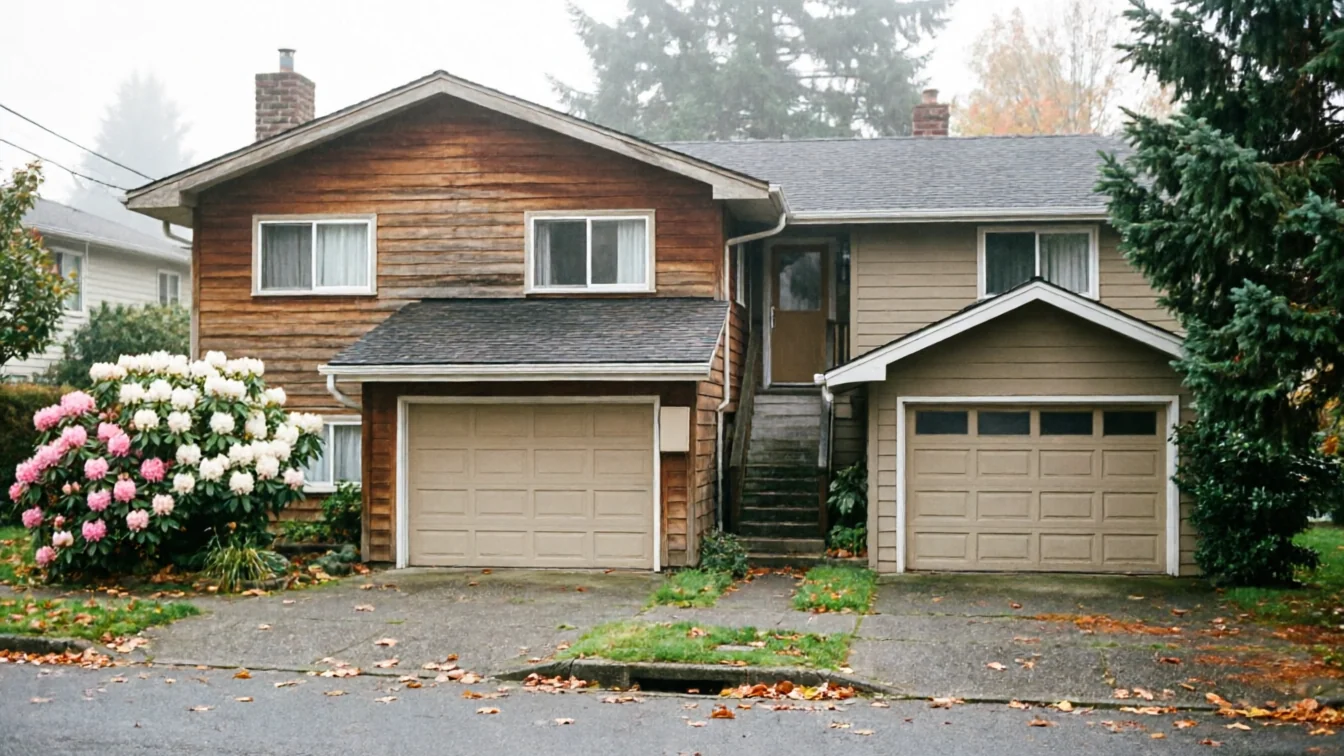
Garage door maintenance for Woodway's small, high-value 1985-era housing stock. We drive the 3 miles from Shoreline to service torsion hardware built for this run of houses.
Booking
We cover Woodway out of Shoreline, about three miles away, so booking a maintenance visit here doesn't mean waiting on a crew that has to cross the county.
Use the Woodway coverage page to see how we handle this specific area, or check the Shoreline garage door maintenance page if you want the full rundown of what a maintenance visit includes across the service area.
If you're not sure whether your door needs maintenance or an actual repair, describe what's happening when you call - grinding on the track, a door that's slow to close, a spring that looks stretched unevenly - and we'll tell you honestly which visit fits.
Watch-outs
The most common mistake we see on Woodway's older doors is an owner who tightens a loose bracket or sprays WD-40 on a noisy spring and calls it maintained. WD-40 isn't a garage door lubricant - it washes out grease and actually speeds up wear on rollers and hinges. On a door from the 1985 building run, the hardware has usually had decades of small adjustments layered on top of each other, and a quick fix in the wrong spot can mask a spring that's genuinely failing.
The other place this goes wrong is weatherstripping. In a cold-moderate climate, a bottom seal that's cracked doesn't just let in a draft - it lets in moisture that works into wood jambs and steel panel edges, and by the time an owner notices rust or rot, it's a panel replacement instead of a $20 part.
DIY or pro
Some of this is genuinely fine to do yourself. Wiping down tracks, checking that the photo-eye sensors are aligned, and visually inspecting the bottom seal for cracks are all things an owner can do without tools or risk. Lubricating rollers and hinges with a proper garage door lubricant (not WD-40 or household oil) is also reasonable for most people.
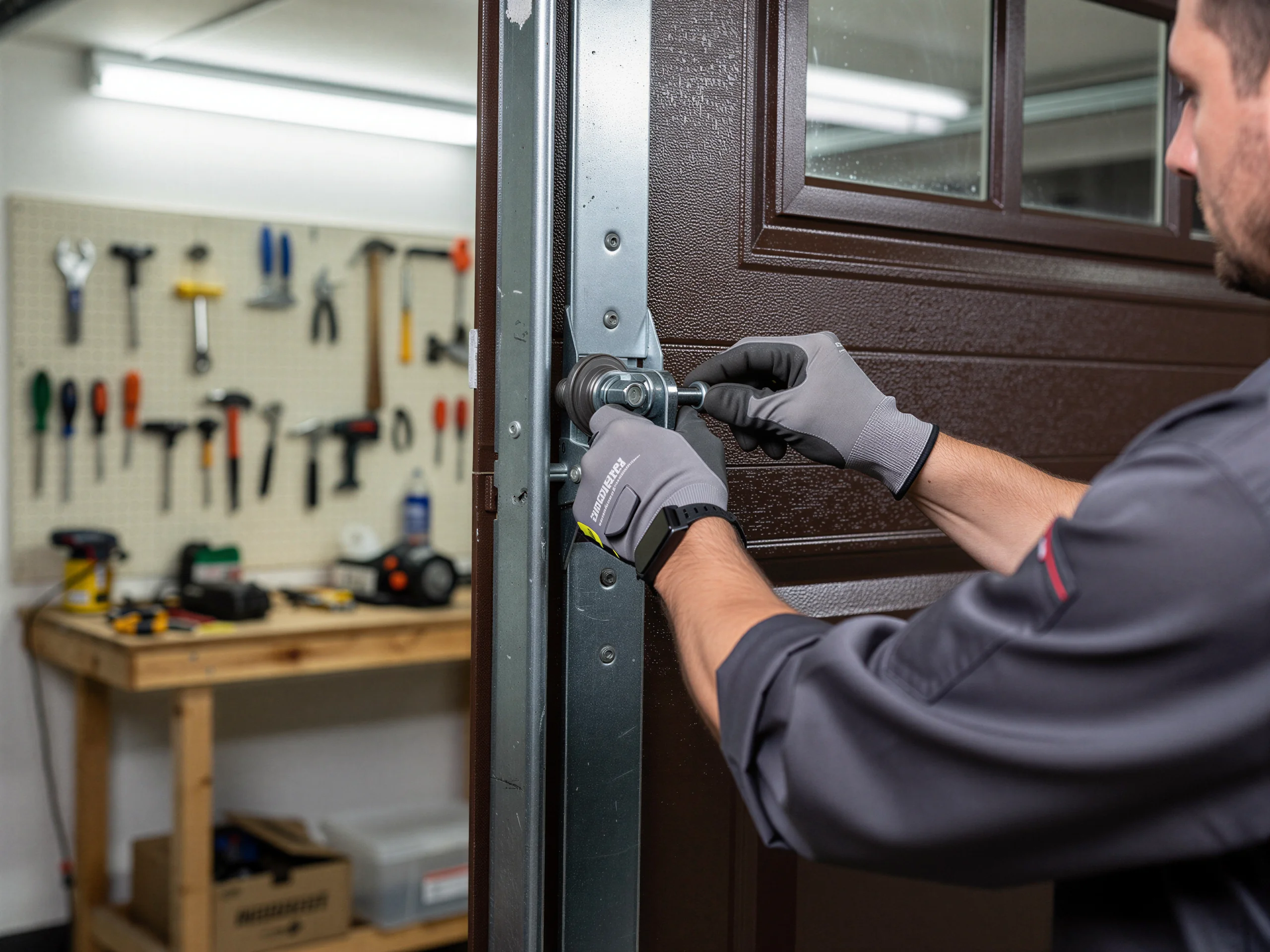
What we don't recommend doing yourself is anything involving the torsion spring - adjusting tension, removing it, or even getting close to it with the door in certain positions. A torsion spring under load can cause serious injury if it's handled wrong, and on a door built around 1985 that hardware has had close to four decades to fatigue. If your door feels heavy to lift by hand with the opener disengaged, that's a balance problem, and it's worth a call rather than a wrench.
On the truck
Woodway is a small town - just 444 households - and that matters for parts, not just for scheduling. A town this size doesn't generate the volume that makes a supplier stock ten different spring sizes for every street.
What we carry on the truck is matched to what's actually out there: torsion springs sized for doors installed when the median home here was built, in 1985, along with the nylon rollers, steel tracks, and openers that era of door tends to run.
That's the same build window as most of the wider service area (1965-2001), so the hardware isn't exotic, but it is dated enough that big-box steel rollers and universal brackets are often the wrong fix. We bring galvanized springs rated for the cold, damp winters this part of Washington gets, not the bare-metal parts that rust out faster in that weather.
We don't carry every opener logic board ever made. If a 1980s chain-drive opener's circuit board has failed and the manufacturer no longer makes it, we'll tell you straight that a new opener is the faster and often cheaper path, rather than hunting for a discontinued part.
The repair
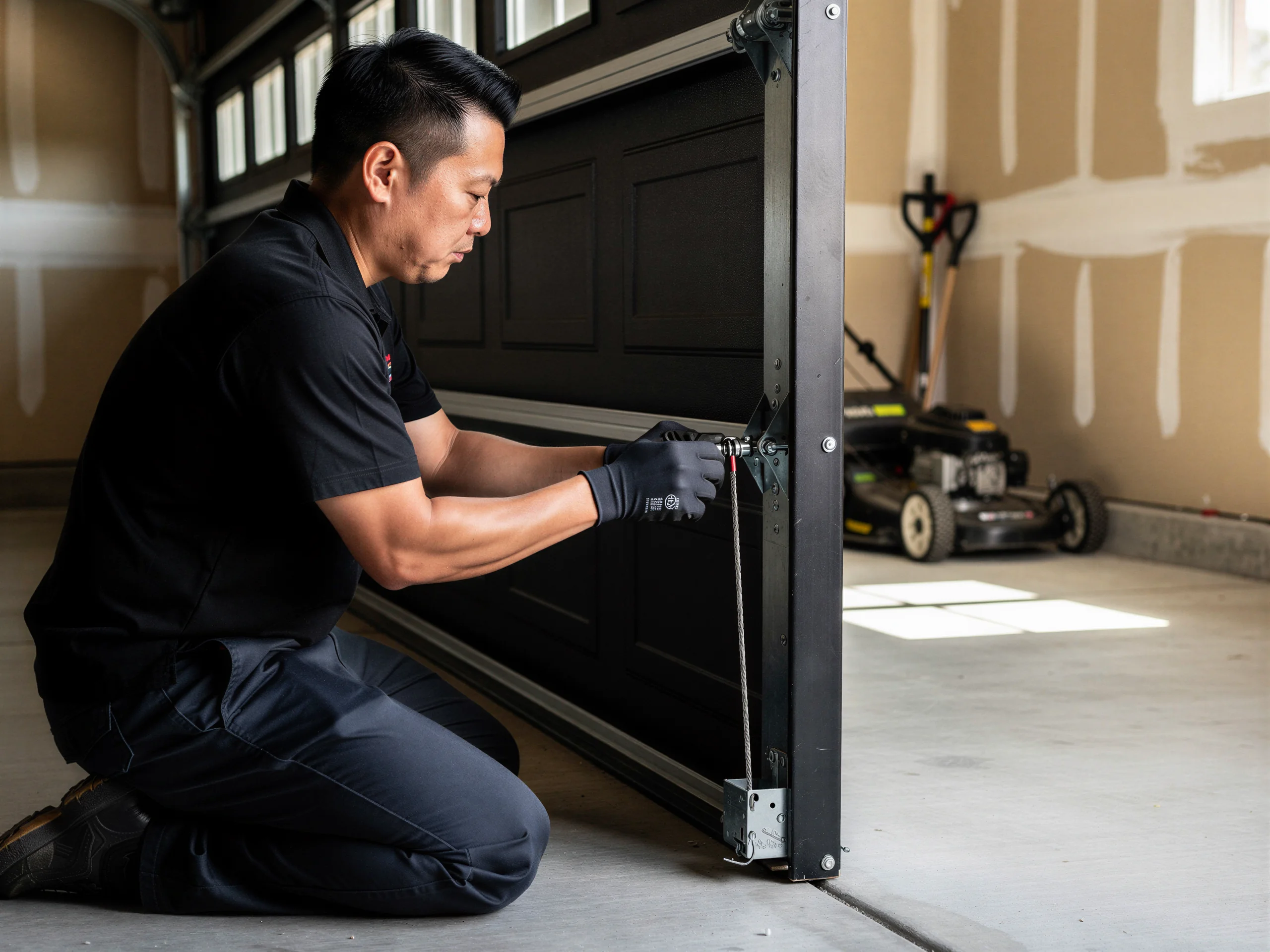
A maintenance visit on a Woodway door usually starts with the torsion spring and the track alignment, because those are the two components doors from the mid-1980s building run show wear on first.
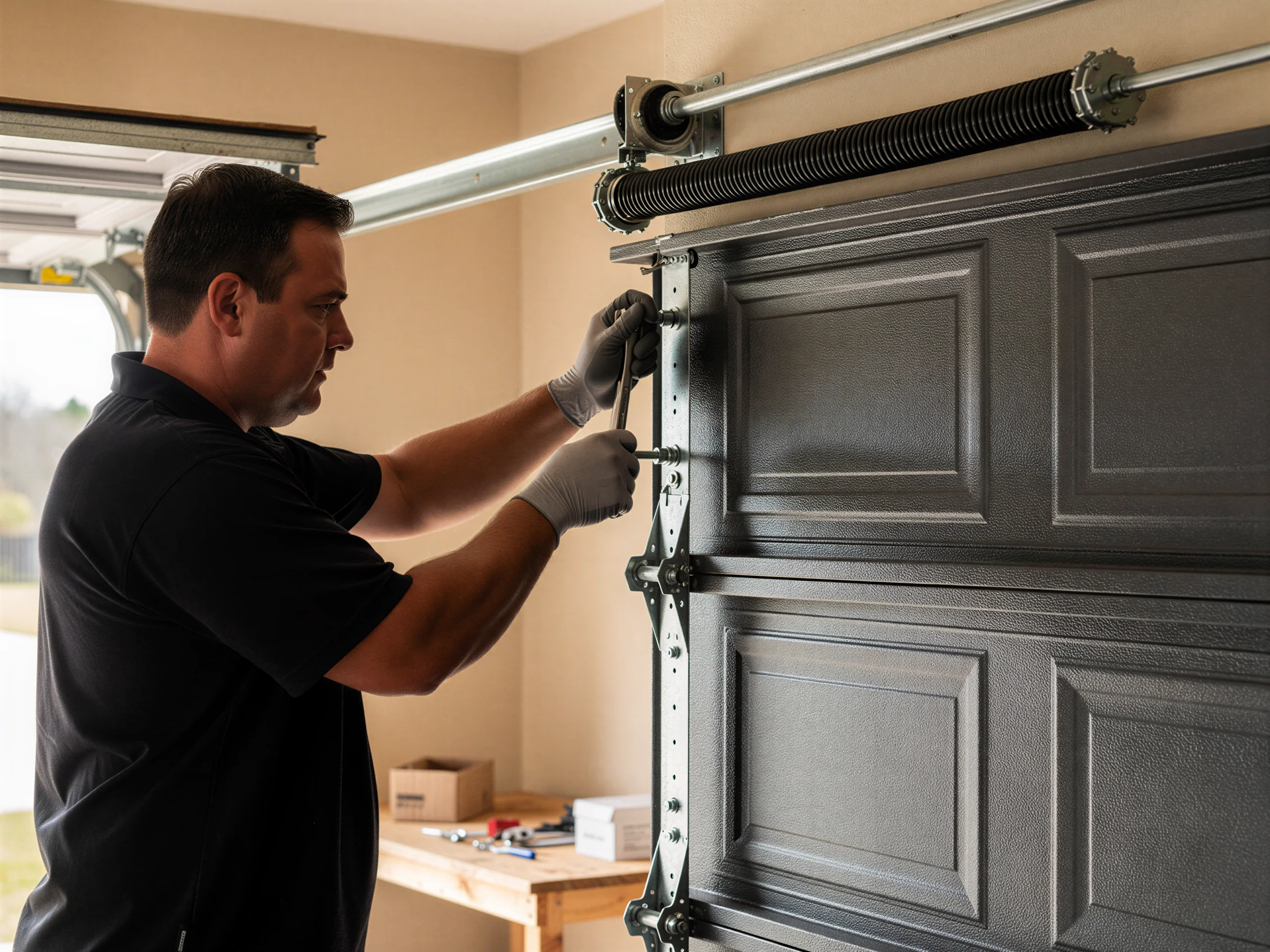
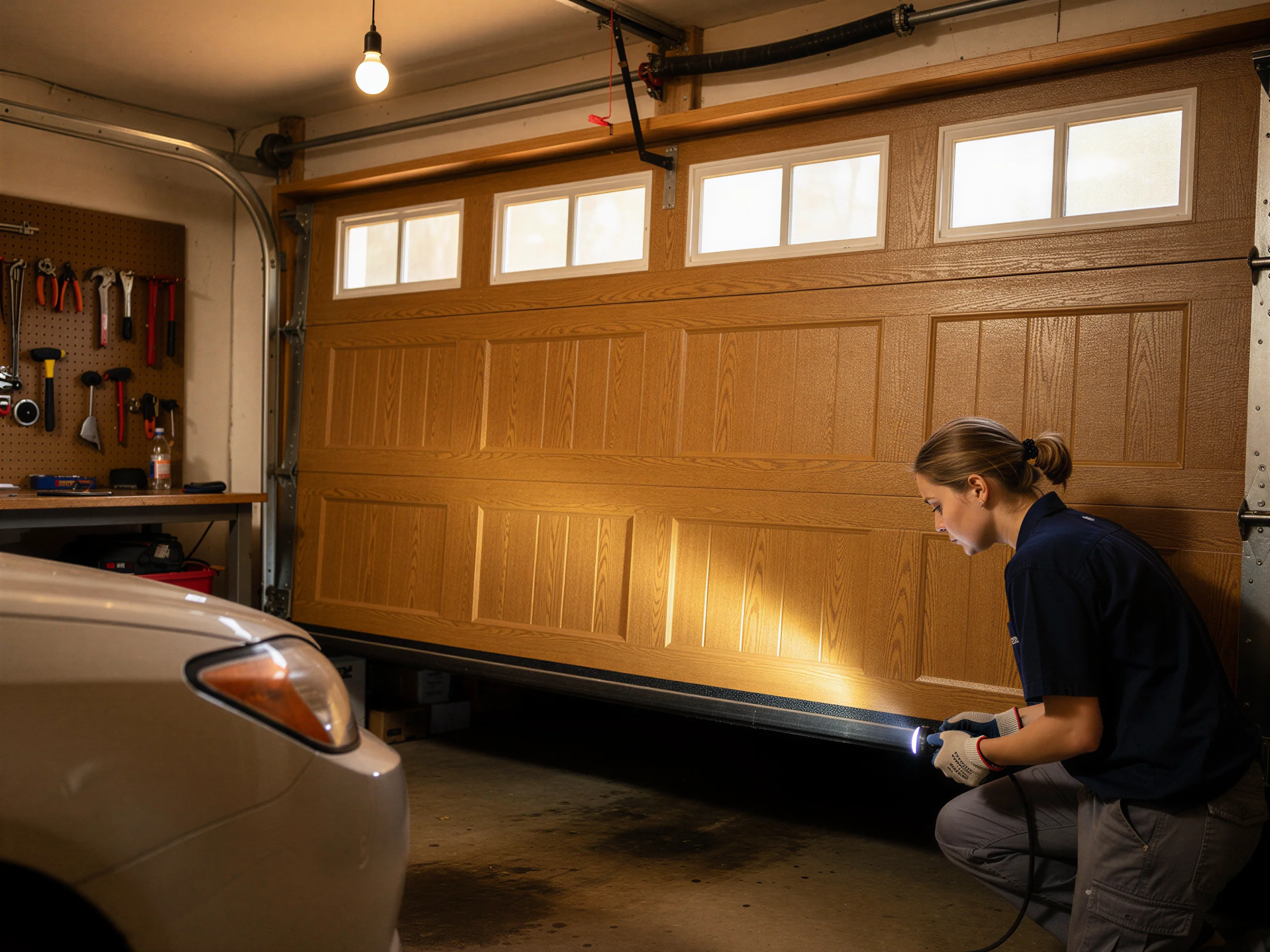
We check spring tension, inspect cable fraying, lubricate rollers and hinges, and look at the weatherstrip along the bottom panel - on a door this age, the stripping has usually hardened and cracked from years of cold-moderate winters, and a hard, cracked seal lets cold air and moisture into the garage all season.
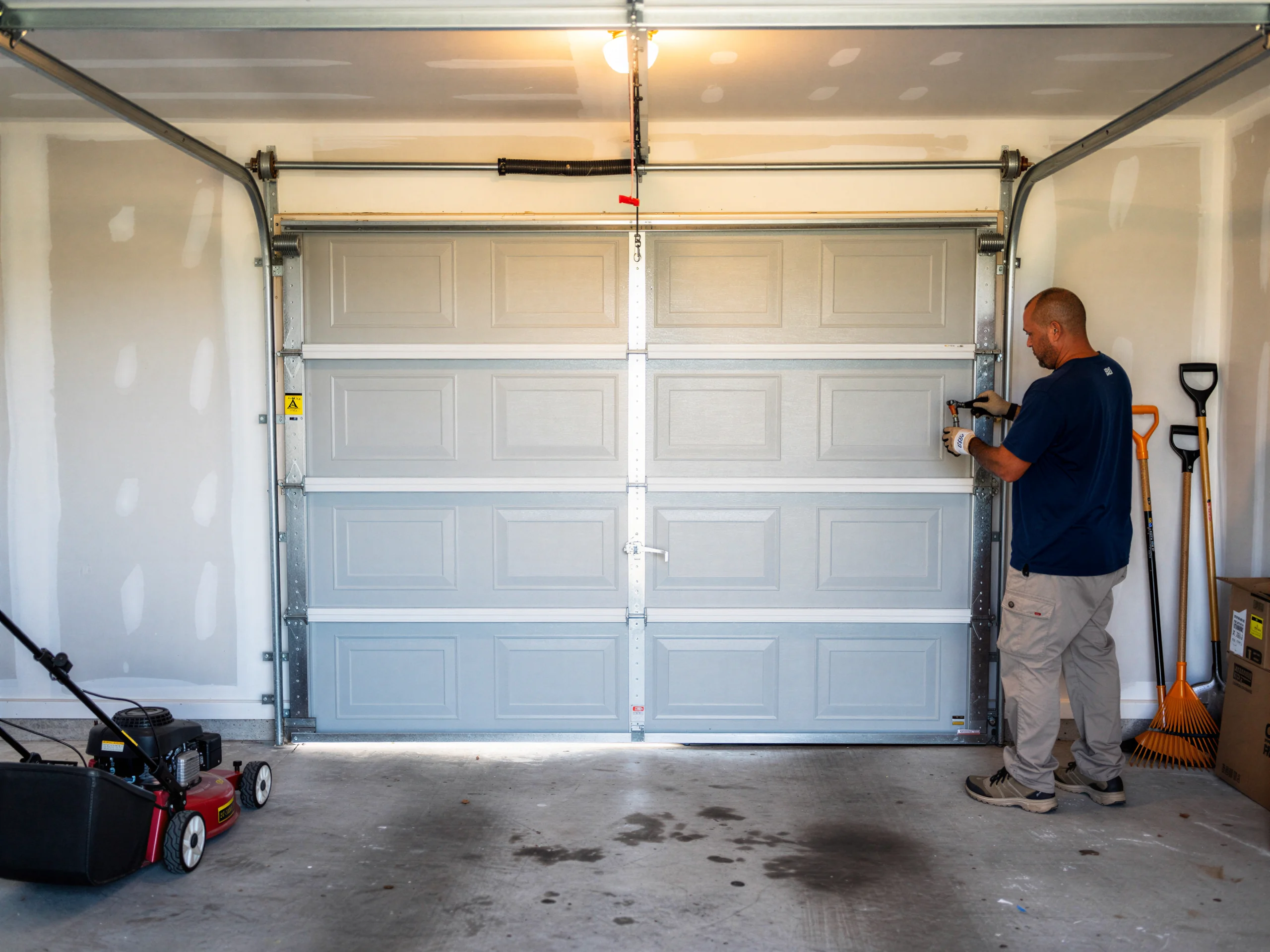
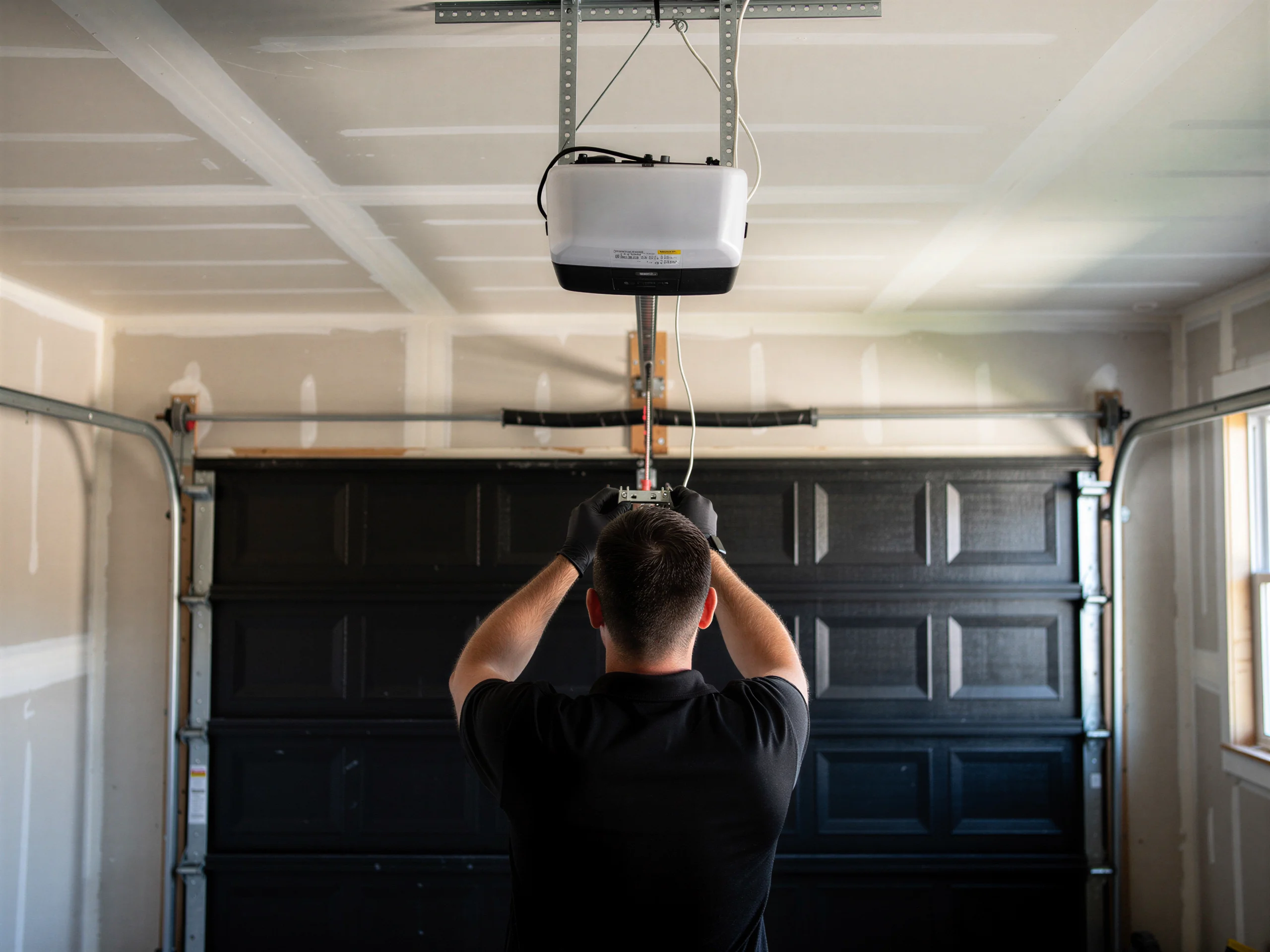
We also test the opener's force settings and safety reversal, since a door that's been running on the same spring tension for decades often drifts out of balance without the owner noticing - the opener just works harder to compensate until something gives.
On a balanced door, the opener should lift it with light effort; if it's straining, that's usually the spring, not the motor, and that's the kind of thing a maintenance visit catches before it turns into a 2 a.m. no-go on the door.
Job timing
A standard maintenance visit covers inspection, lubrication, hardware tightening, balance check, and opener force/safety testing. How long that takes depends on what we find - a door that's been maintained regularly moves faster than one where rollers are frozen in their tracks or the spring's badly out of adjustment. We don't quote a fixed number of minutes up front because it isn't honest to the variation in what's behind 444 different garage doors in a town this size.
What we can say is that we come prepared to do the full check in one visit rather than diagnosing on one trip and returning on another. If we find something during maintenance that needs more than adjustment - a cracked panel, a cable close to failing - we'll walk you through it on the spot rather than leaving you to guess.
Questions
It depends more on how much the door is used than the calendar, but for houses from the area's common 1965-2001 building run, once a year is a reasonable baseline - more often if the opener runs daily or the door shows any grinding, slow response, or visible wear on the weatherstrip.
No. We're based in Shoreline, about three miles away, and we drive out to cover Woodway along with the rest of the service area. There's no local branch here, just a short trip from the Shoreline crew.
Not necessarily. Most of what we do during maintenance - lubrication, balance checks, force and safety reversal testing - works on openers from any era, including the ones common on homes built in the 1980s. We'll tell you if yours has a failing part that's no longer made, rather than guessing.
That's almost always the torsion spring losing tension over time, not the opener weakening. A door that's properly balanced should lift with one hand when the opener is disengaged. If it doesn't, the spring needs adjustment or replacement, not a stronger motor.
Explore more
Ready when you are
Shoreline Garage Door Pros repairs and installs garage doors, springs and openers in Shoreline, WA and the surrounding area.